Coltsfoot
Image: Kathy Vivian (cc-by-nc)
NameColtsfoot
Scientific NameTussilago farfara
Common NamesColtsfoot, Tussilago, Foalfoot, Horsehoof, Coughwort
Plant FamilyAsteraceae
Natural HabitatNative to Europe and Asia, Coltsfoot thrives in disturbed soils, roadsides, waste ground, and damp meadows. It prefers moist, heavy clay soils but is highly adaptable to various conditions.
Parts Usedleaf,flower
Medicinal Actionsexpectorant, demulcent, anti-inflammatory
Traditional UsesTraditionally, Coltsfoot has been widely used for respiratory ailments such as coughs, bronchitis, asthma, and sore throats. Its expectorant and demulcent properties were valued for relieving congestion and soothing irritated mucous membranes, often consumed as a tea or smoked.
Active ConstituentsMucilage, Flavonoids, Pyrrolizidine alkaloids, Triterpenes, Tannins
Preparation Methodsinfusion, decoction, powder, poultice
Contraindications & WarningsColtsfoot contains hepatotoxic pyrrolizidine alkaloids (PAs), which can cause liver damage with long-term or high-dose internal use. It is not recommended for pregnant or breastfeeding women, children, or individuals with liver disease. Use should be short-term and under professional guidance, or ideally, use PA-free extracts.
Cultivation NotesColtsfoot is easily grown from seed or root cuttings and prefers full sun to partial shade with moist, well-drained soil. It can be quite invasive due to its spreading rhizomes, so care should be taken when planting.
Raritycommon
Description
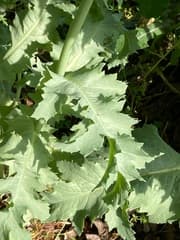
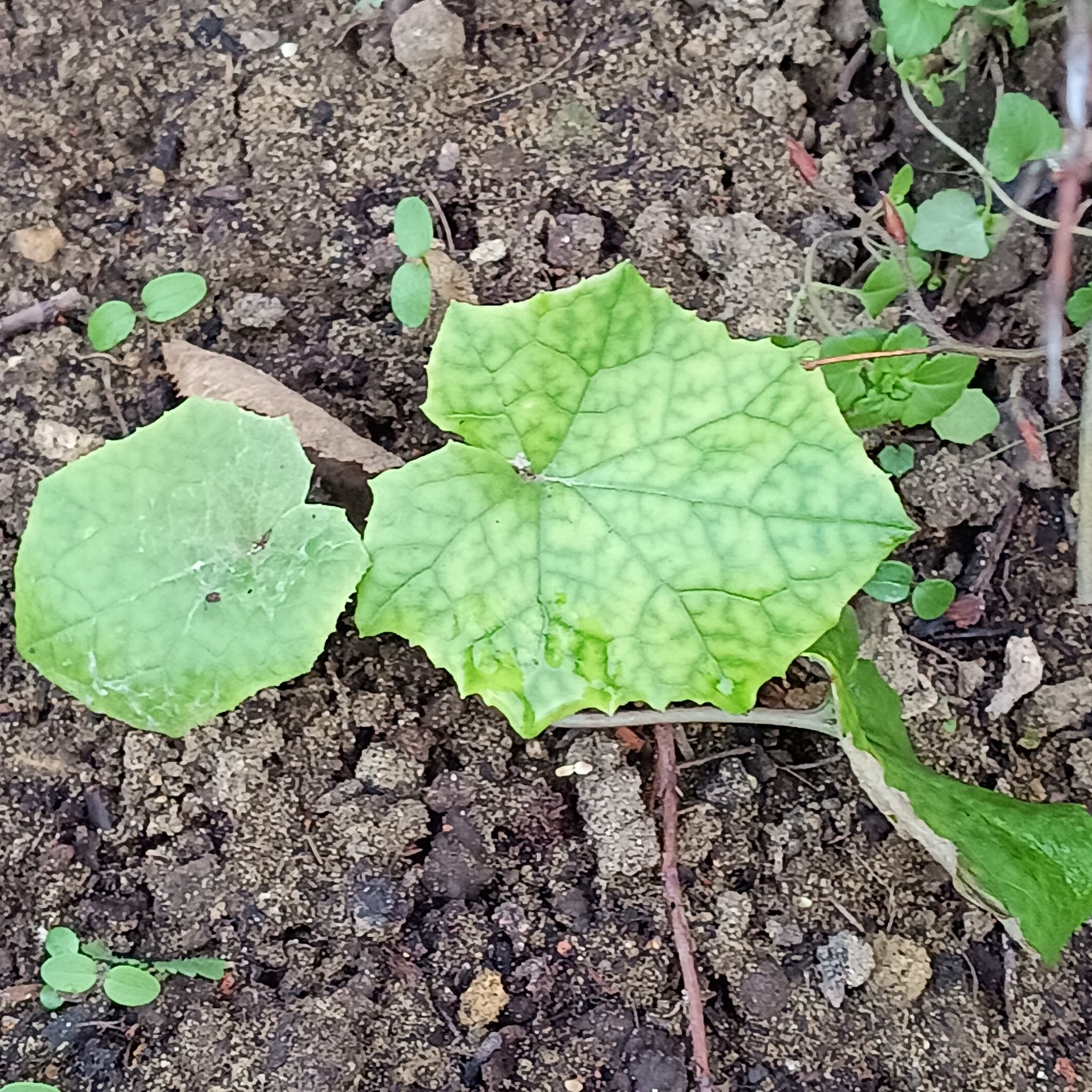
Coltsfoot is a perennial herbaceous plant characterized by its bright yellow, dandelion-like flowers that emerge in early spring before the leaves. Its distinctive large, heart-shaped, toothed leaves with a white, felt-like underside appear later in the season.