Coffee
NameCoffee
Scientific NameCoffea arabica
Common NamesCoffee, Arabica Coffee
Plant FamilyRubiaceae
Natural HabitatNative to tropical regions of Africa, particularly the highlands of Ethiopia and Sudan, thriving in high altitudes with consistent rainfall, mild temperatures, and partial shade.
Parts Usedseed,leaf
Medicinal Actionsnervine, antioxidant, diuretic
Traditional UsesTraditionally consumed as a stimulant to combat fatigue, enhance alertness, and improve cognitive function. It has also been used for its diuretic properties and, in some traditional practices, to alleviate headaches and improve digestion.
Active ConstituentsCaffeine, Chlorogenic acids, Trigonelline, Cafestol, Kahweol
Preparation Methodsinfusion, powder, decoction
Contraindications & WarningsHigh consumption can lead to anxiety, insomnia, heart palpitations, and digestive upset. It can interact with certain medications, including stimulants, MAOIs, and some antibiotics. Not recommended in large amounts for pregnant or breastfeeding women, or individuals with certain heart conditions.
Cultivation NotesPrefers rich, well-drained, slightly acidic soil and requires partial shade, high humidity, and consistent temperatures between 15-24°C (60-75°F). Protection from frost is essential.
Raritycommon
Description
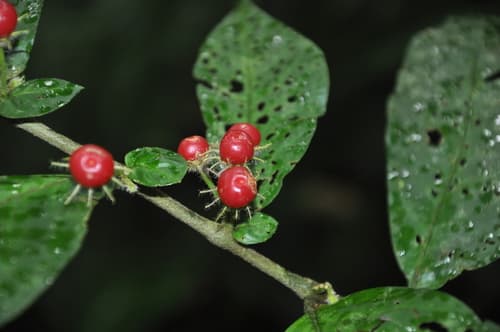
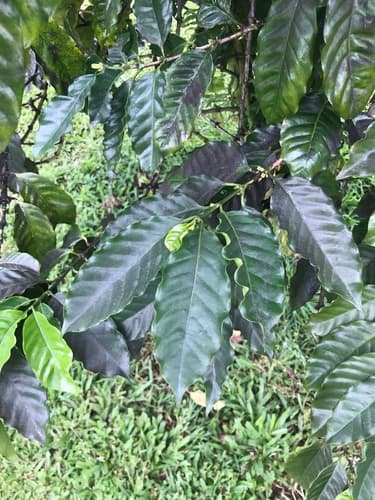
Coffee plants are evergreen shrubs or small trees, typically growing 3-5 meters tall, with glossy, dark green, opposite leaves. They produce fragrant white flowers that develop into red or purple drupes, commonly known as coffee cherries, each usually containing two seeds.