Coastal Groundcherry
NameCoastal Groundcherry
Scientific NamePhysalis angustifolia
Common NamesCoastal Groundcherry, Narrowleaf Groundcherry
Plant FamilySolanaceae
Natural HabitatTypically found in sandy soils along coastal areas, beaches, dunes, and disturbed sandy sites, primarily in the southeastern United States.
Parts Usedfruit,leaf
Medicinal Actionsantioxidant, anti-inflammatory, diuretic
Traditional UsesThe ripe fruits of various Physalis species, including Coastal Groundcherry, have been traditionally consumed for their nutritional value and mild diuretic properties. Some traditional practices involve using infusions of leaves for fevers or inflammatory conditions, though specific documented uses for P. angustifolia are less common than for other Physalis species.
Active ConstituentsPhysalins, Flavonoids, Carotenoids, Vitamin C
Preparation Methodsinfusion, powder
Contraindications & WarningsUnripe fruits of Physalis species contain solanine-like compounds and should not be consumed as they can be toxic. Only ripe fruits are considered safe for consumption.
Cultivation NotesThis plant thrives in full sun and well-drained, sandy soils. It is drought-tolerant once established and can spread readily by rhizomes, making it suitable for coastal or sandy garden environments.
Raritycommon
Description
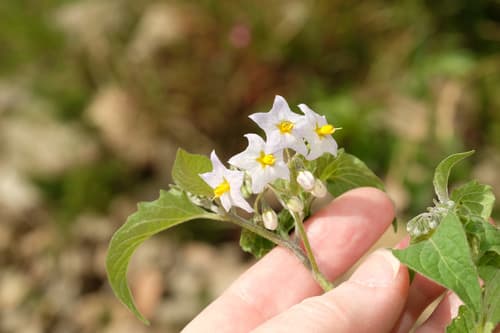
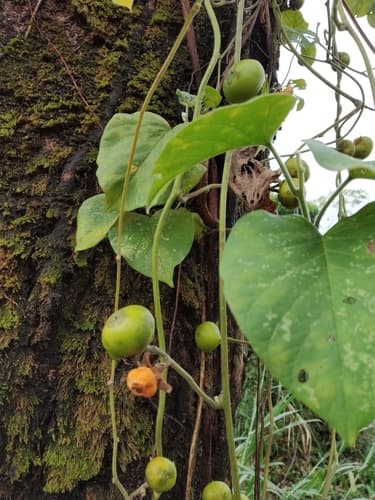
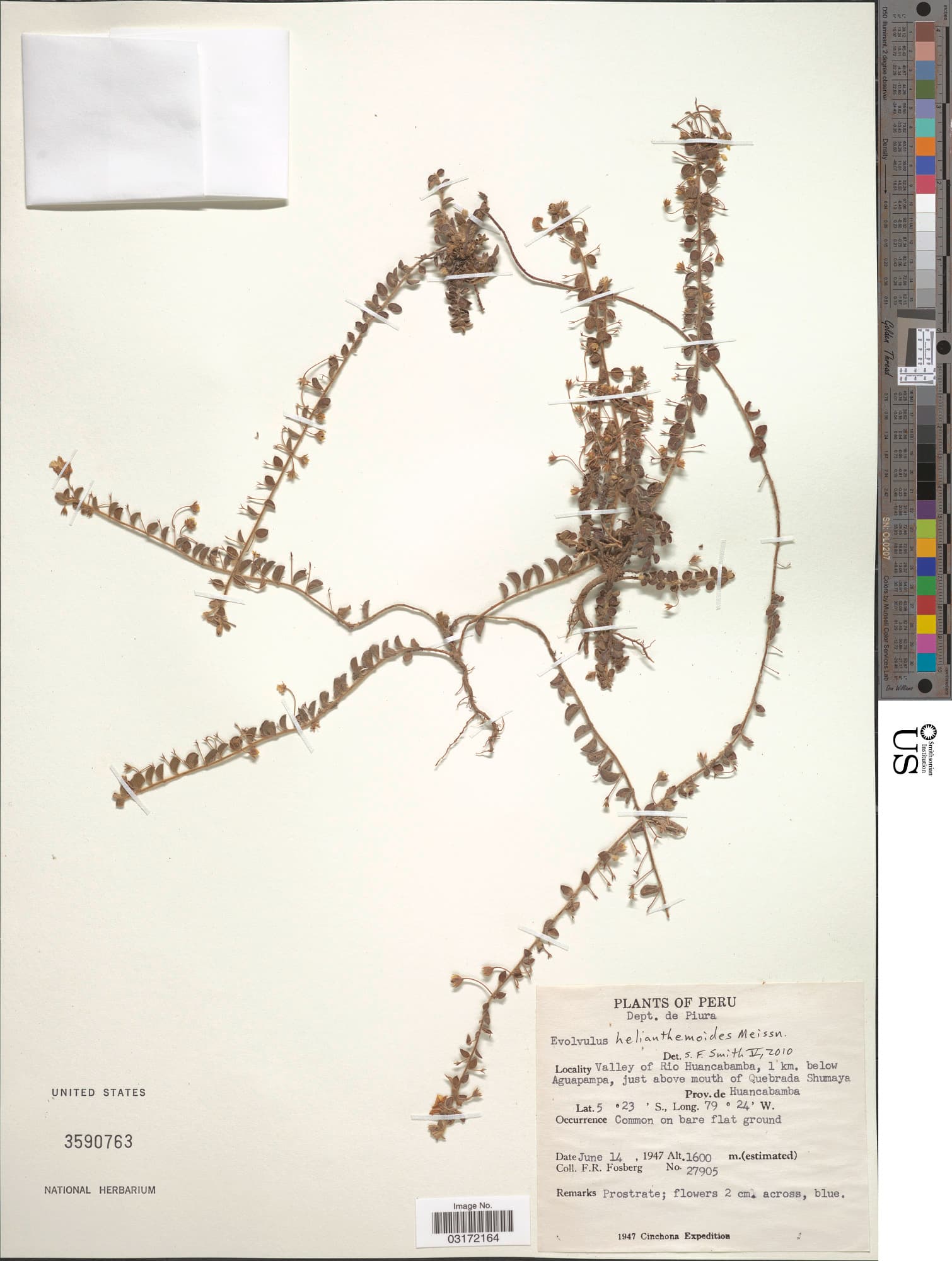
A herbaceous perennial plant featuring bell-shaped, pale yellow flowers with a darker yellow or brownish center, as seen in the image. It is known for producing a small berry encased within an inflated, papery calyx that resembles a lantern.