Chimborazo cestrum
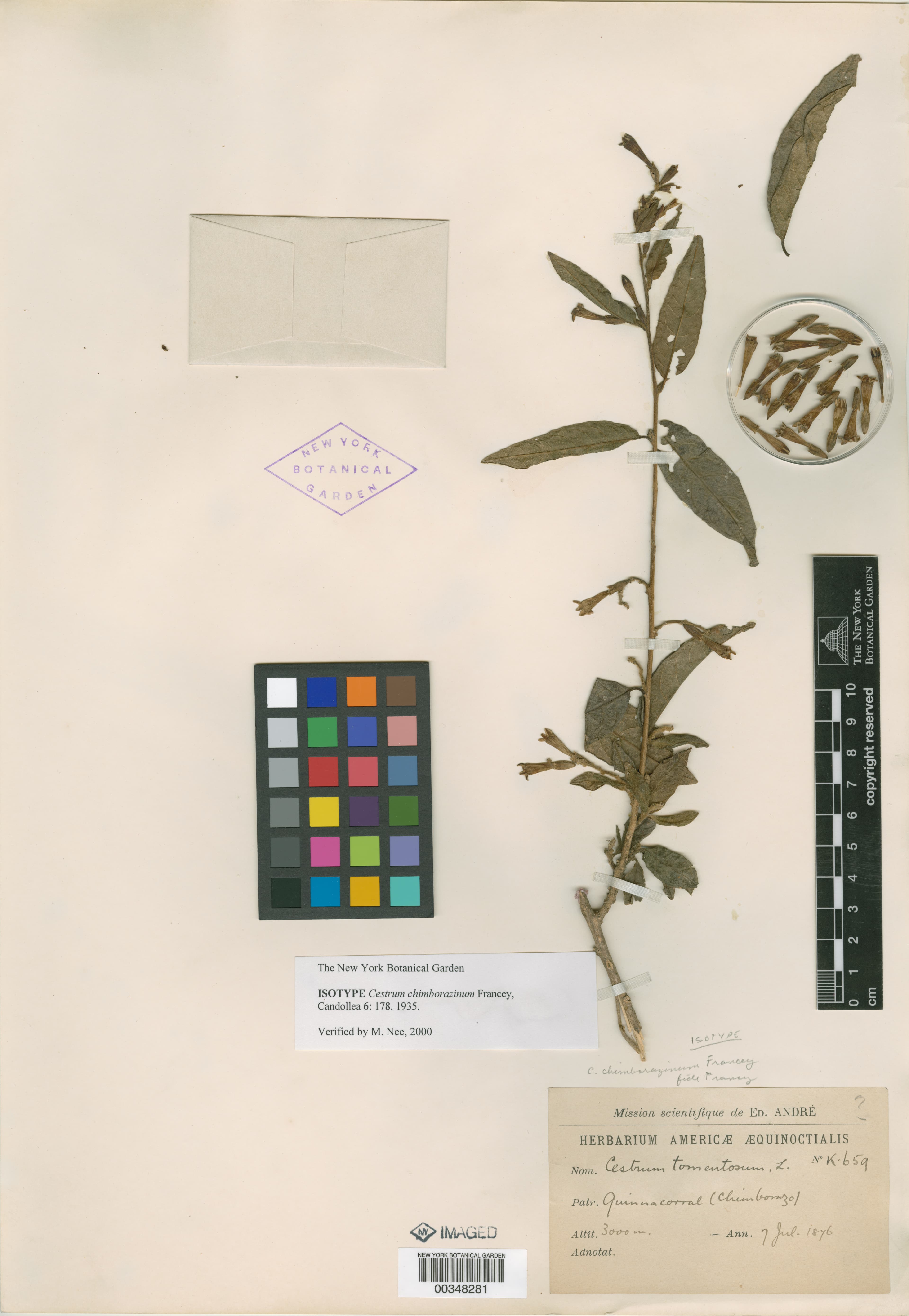
Image: The New York Botanical Garden (cc-by)
NameChimborazo cestrum
Scientific NameCestrum chimborazinum Francey
Common NamesChimborazo cestrum
Plant FamilySolanaceae
Natural HabitatEndemic to the high-altitude regions of the Ecuadorian Andes, particularly around the Chimborazo volcano, thriving at elevations typically around 3000 meters.
Parts Usedleaf,flower,stem
Traditional UsesWhile some Cestrum species have limited traditional uses, often with warnings due to toxicity, there are no specific, well-documented traditional medicinal uses for Cestrum chimborazinum in readily available ethnobotanical literature.
Active Constituentssteroidal glycoalkaloids, saponins
Contraindications & WarningsAll parts of Cestrum chimborazinum, like other Cestrum species, are considered toxic. Ingestion can lead to severe gastrointestinal distress, neurological symptoms, and other signs of poisoning. Use is strongly discouraged without expert guidance and extreme caution.
Cultivation NotesThis species likely prefers well-drained soils and conditions typical of high-altitude Andean environments, including cooler temperatures and specific light exposure.
Raritycommon
Description
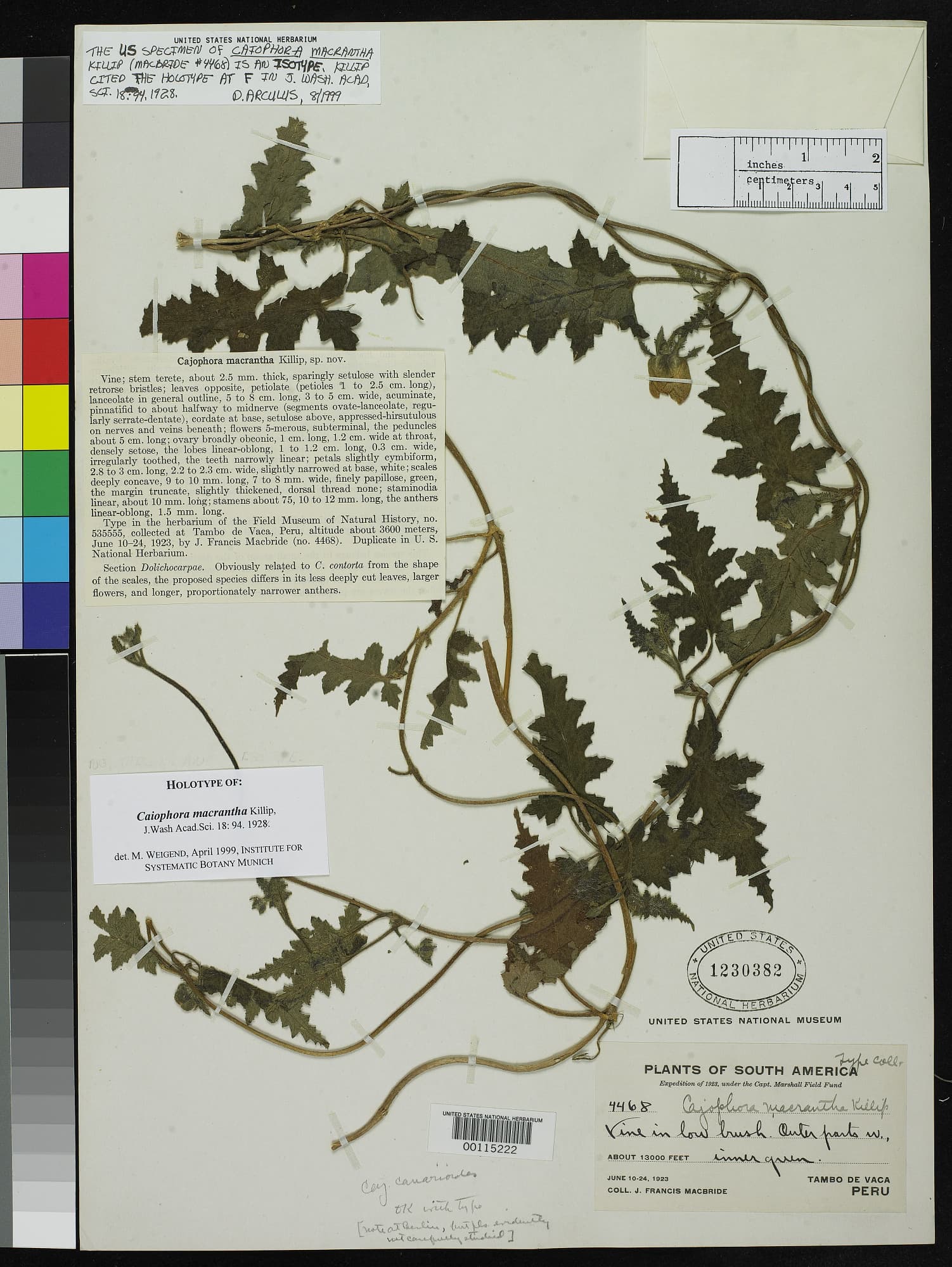
Cestrum chimborazinum is a woody shrub or small tree native to the high Andes. It features simple, alternate leaves and tubular flowers, as seen in the dried herbarium specimen.