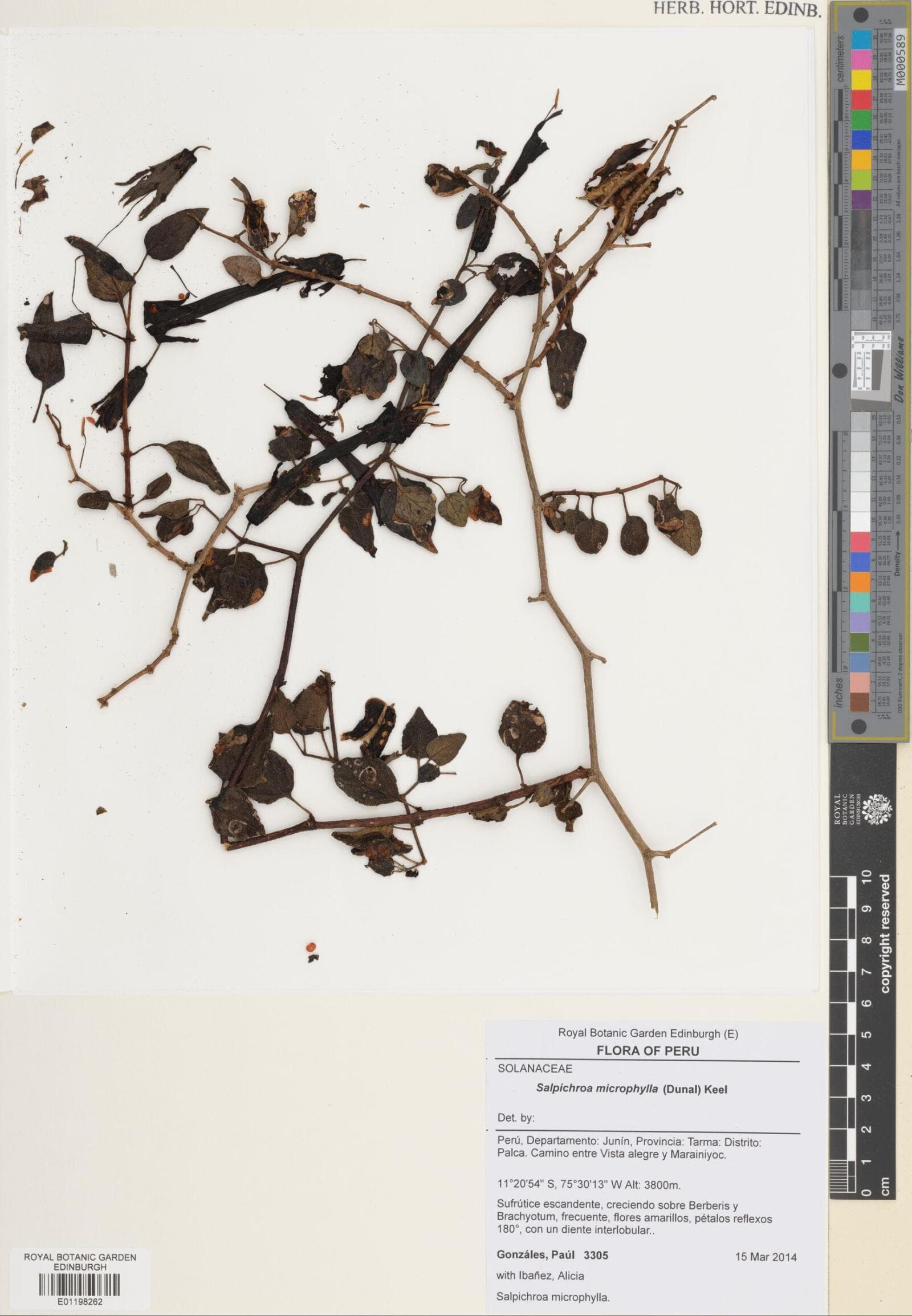
Chilean potato vine
NameChilean potato vine
Scientific NameSolanum crispum
Common NamesChilean potato vine, Chilean nightshade, Potato tree
Plant FamilySolanaceae
Natural HabitatNative to Chile and Peru, it thrives in coastal and montane regions, often found in scrubland, forest edges, and disturbed areas. It prefers temperate climates and can tolerate a range of soil conditions.
Parts Usedleaf,flower
Medicinal Actionsanalgesic, anti-inflammatory
Traditional UsesWhile not widely used in modern herbalism due to its toxicity, some traditional practices in its native range may have historically employed parts of the plant, such as leaves or flowers, for external applications to address pain or inflammation. However, such uses are poorly documented and carry significant risks.
Active ConstituentsSteroidal glycoalkaloids (e.g., solanine, solasodine)
Preparation Methodspoultice
Contraindications & WarningsAll parts of Solanum crispum are considered toxic due to the presence of steroidal glycoalkaloids. Ingestion can cause severe gastrointestinal upset, neurological symptoms, and can be fatal. It is not recommended for internal use and caution should be exercised with external applications due to potential skin irritation or absorption. Consult a medical professional before any use.
Cultivation NotesPrefers full sun to partial shade and well-drained soil. It is a vigorous grower that requires support for climbing and is best suited for USDA zones 8-10, as it is frost tender. Can be grown in containers in colder climates and brought indoors during winter.
Raritycommon
Description
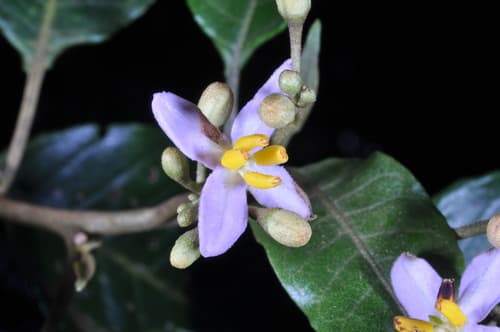
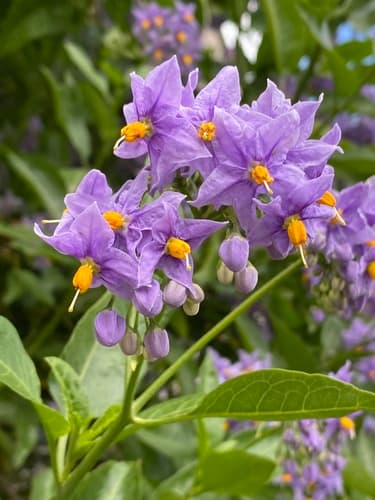
A vigorous, semi-evergreen climbing shrub or small tree, typically growing up to 20 feet tall. It produces abundant clusters of star-shaped, violet-blue to purple flowers with prominent yellow anthers from summer to autumn. Its leaves are simple, ovate to lanceolate, and bright green.