Cestrum violaceum
NameCestrum violaceum
Scientific NameCestrum violaceum
Common NamesViolet Cestrum, Purple Cestrum
Plant FamilySolanaceae
Natural HabitatNative to tropical and subtropical regions of Central and South America, often found in disturbed areas, forest margins, and open woodlands.
Parts Usedleaf,flower
Medicinal Actionsanti-inflammatory, analgesic
Traditional UsesTraditionally, some Cestrum species have been used externally for pain relief and inflammation. However, Cestrum violaceum is primarily known for its ornamental value and toxicity, with specific medicinal uses being limited and requiring expert supervision due to the presence of toxic compounds.
Active Constituentssteroidal glycoalkaloids, saponins
Preparation Methodspoultice
Contraindications & WarningsAll parts of the plant, especially the berries, are considered toxic. Internal use is strongly discouraged due to the presence of steroidal glycoalkaloids which can cause gastrointestinal upset, neurological symptoms, and cardiac issues. Contraindicated in pregnancy, lactation, and for children.
Cultivation NotesThis ornamental shrub thrives in full sun to partial shade and well-drained soil. It is relatively drought-tolerant once established and can be pruned to maintain shape and encourage flowering.
Raritycommon
Description
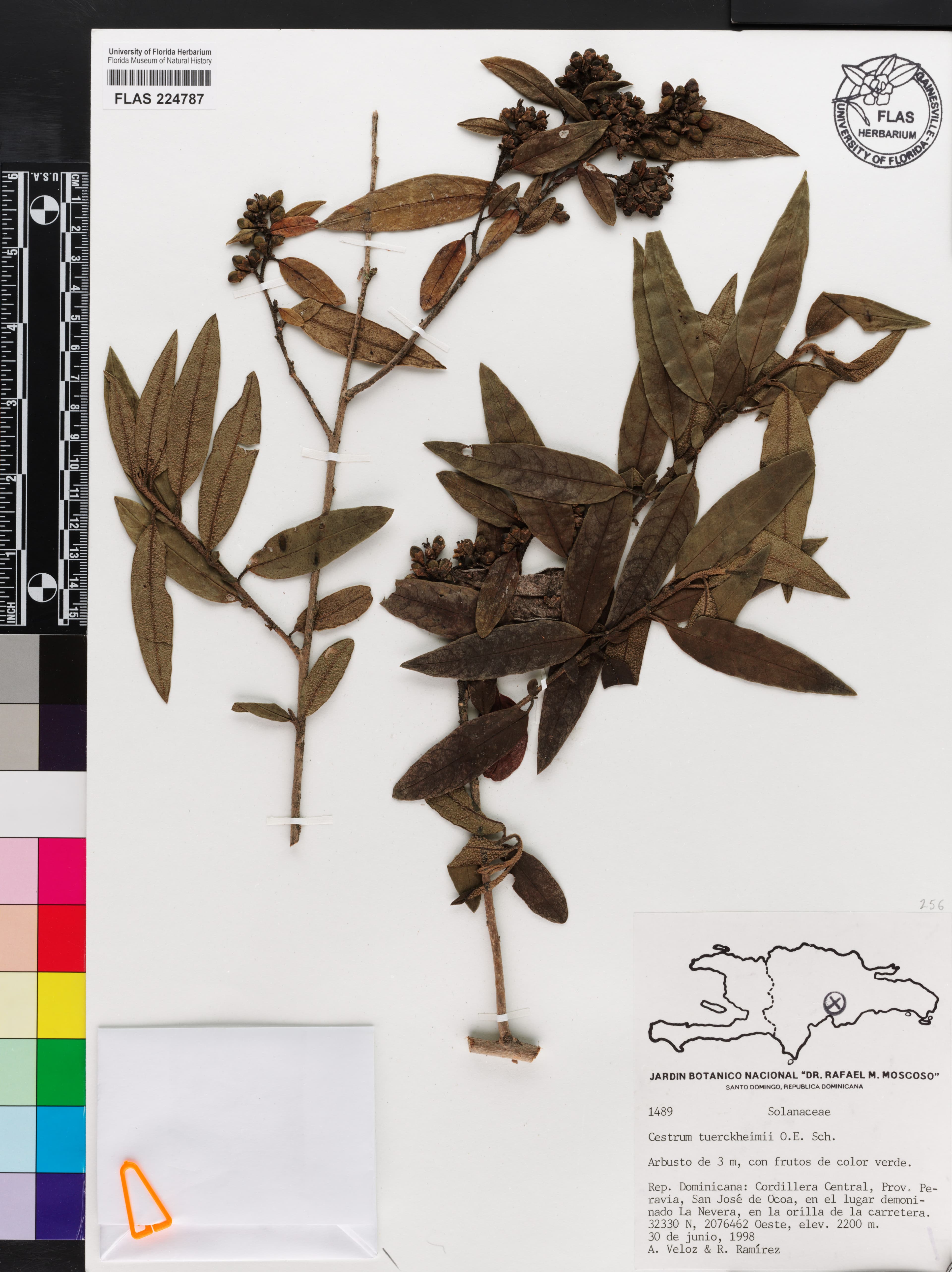
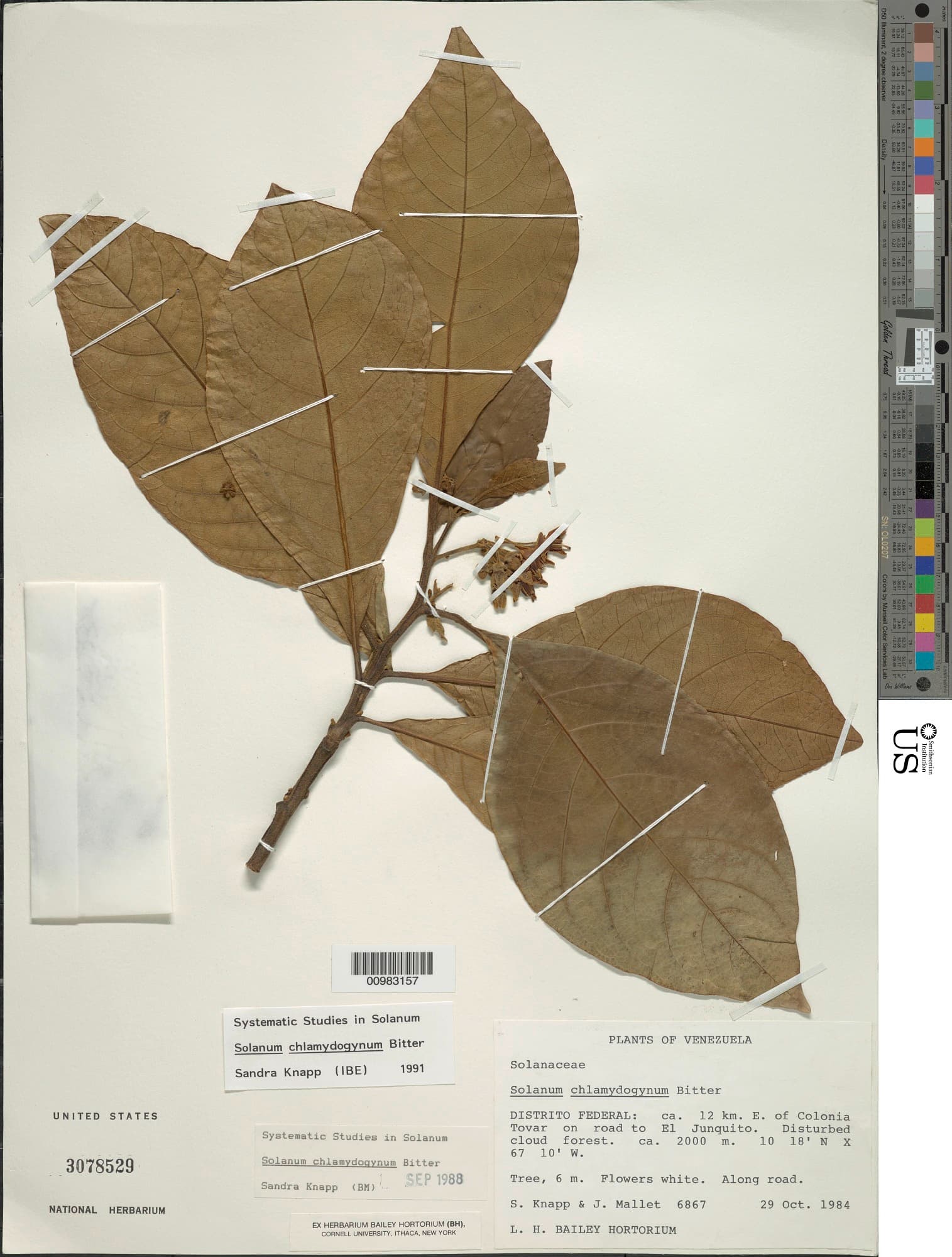
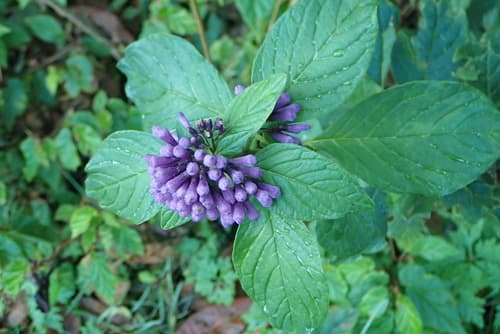
A shrub characterized by simple, alternate green leaves and terminal clusters of tubular, violet-purple flower buds that open into fragrant flowers. It typically grows as an ornamental or wild shrub, reaching several meters in height.