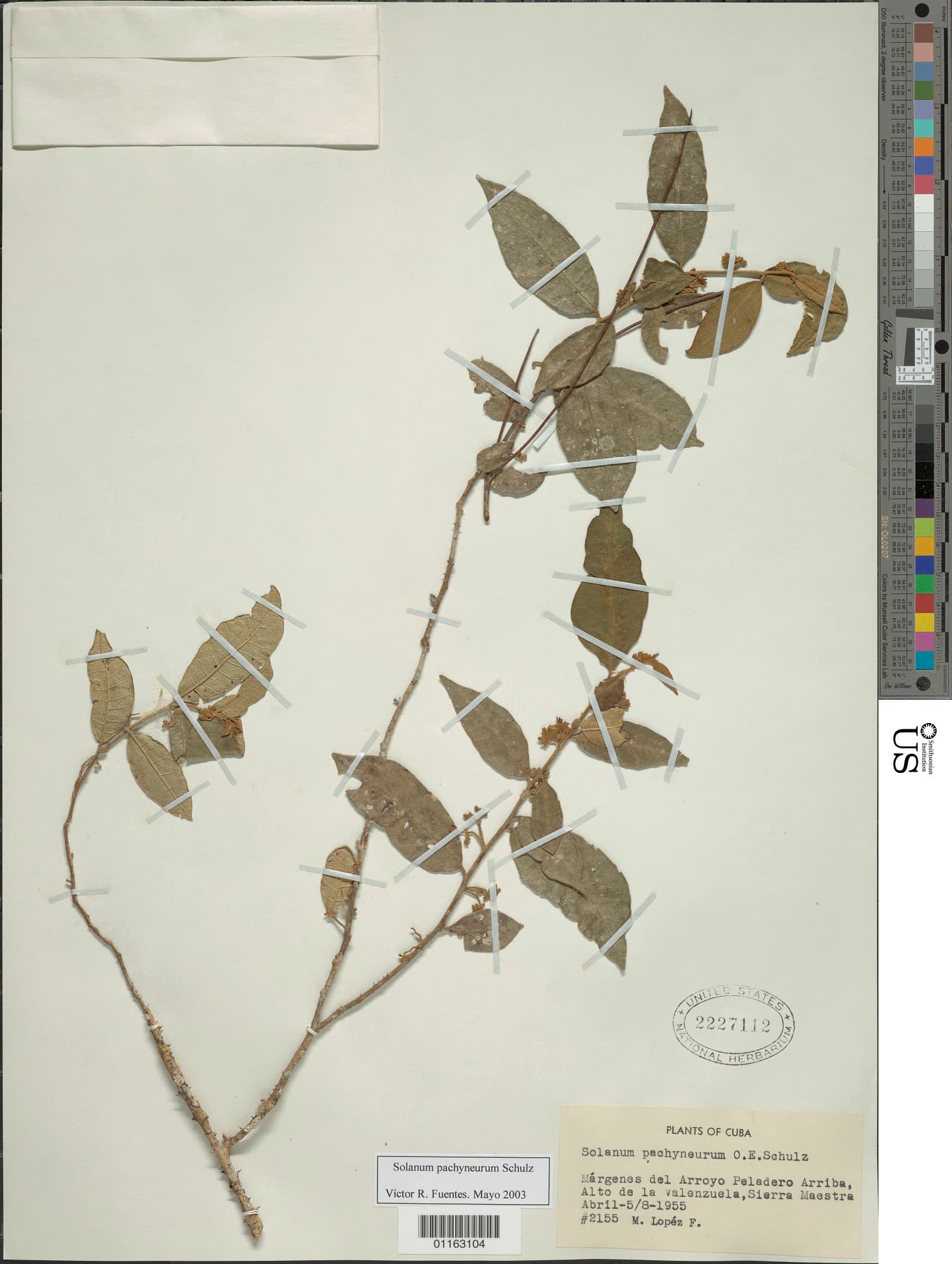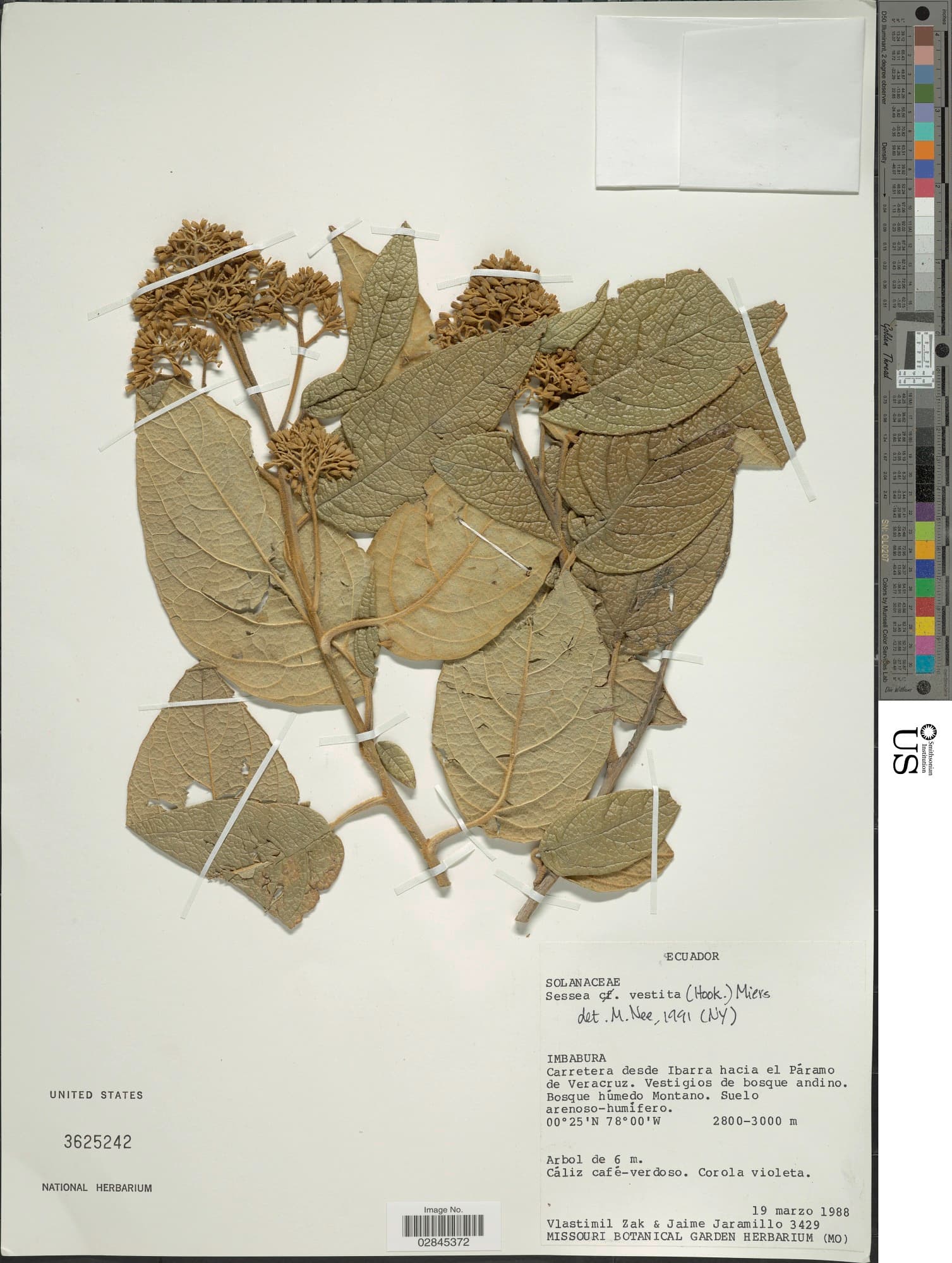
Cestrum vestitum
Image: Conveyor Belt (cc0)
NameCestrum vestitum
Scientific NameCestrum vestitum
Plant FamilySolanaceae
Natural HabitatNative to the humid montane forests of the Andean region in Ecuador, specifically found in remnants of Andean forest on sandy-humic soil at elevations between 2800 and 3000 meters.
Parts Usedleaf
Medicinal Actionsantimicrobial, anti-inflammatory, antioxidant
Traditional UsesWhile the genus Cestrum is known to contain compounds with potential antimicrobial, anti-inflammatory, and antioxidant properties, and some species are used in traditional medicine, there are no widely documented specific traditional medicinal uses for Cestrum vestitum itself. The genus is generally considered toxic, and specific uses for this species are not recorded.
Active Constituentssteroidal glycoalkaloids, saponins, flavonoids
Preparation Methodsinfusion, decoction
Contraindications & WarningsAll parts of Cestrum vestitum should be considered potentially toxic due to the presence of steroidal glycoalkaloids common in the genus Cestrum. Internal use is strongly discouraged. Symptoms of poisoning can include gastrointestinal upset, neurological effects, and cardiac issues. Consult a qualified expert before any use.
Cultivation NotesPrefers humid montane forest conditions, sandy-humic soil, and high altitudes (2800-3000m). Requires a tropical or subtropical climate with consistent moisture and can grow up to 6 meters tall.
Rarityuncommon
Description
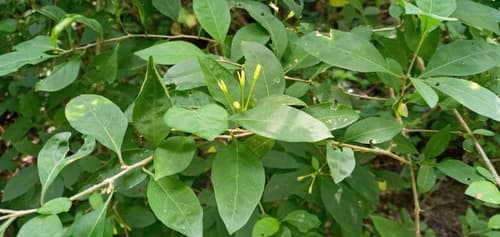
A tree growing up to 6 meters tall, characterized by brownish-green calyces and violet corollas. Its leaves are simple, entire, and arranged along the stems, with clusters of dried flowers or fruits.