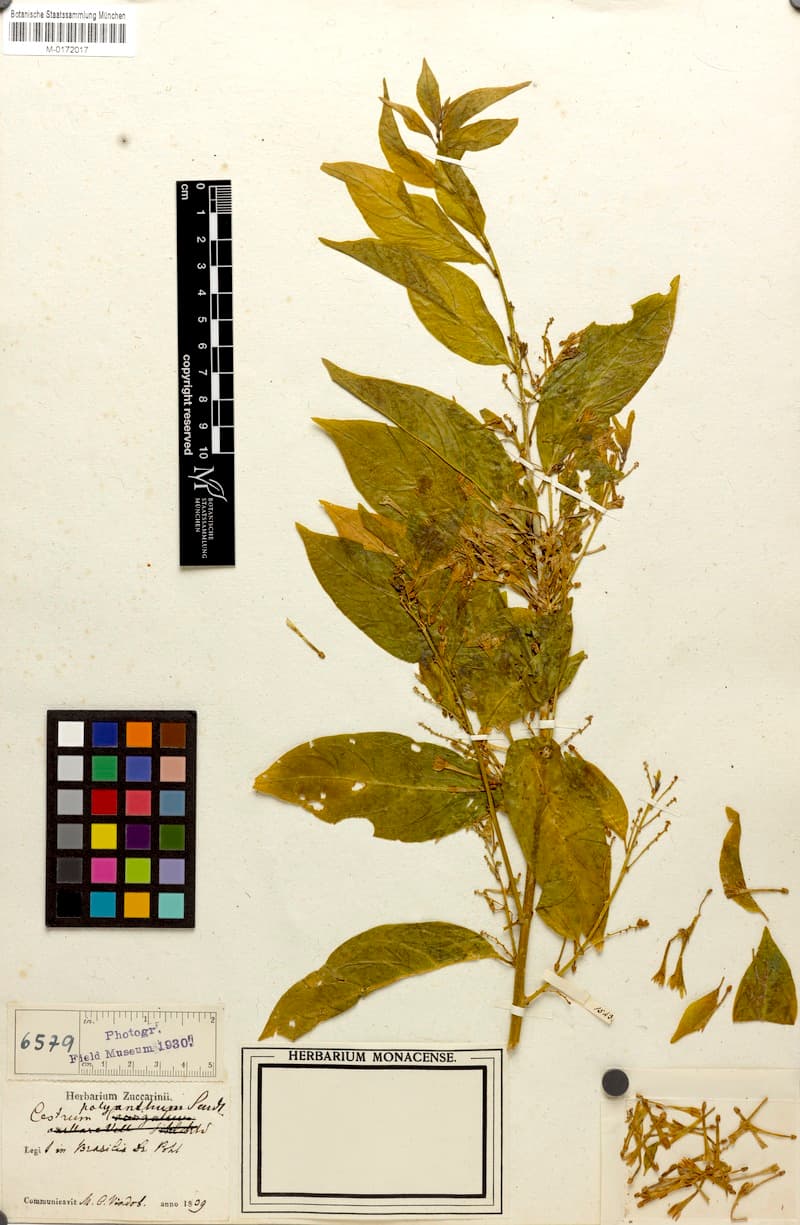
Cestrum polyanthum
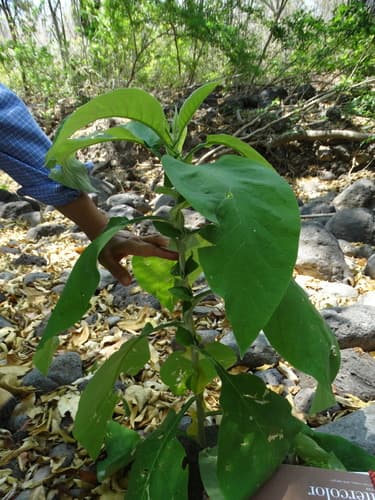
Image: Pohl, J.B.E. (cc-by-sa)
NameCestrum polyanthum
Scientific NameCestrum polyanthum Sendtn.
Common NamesMany-flowered Jessamine, Brazilian Cestrum
Plant FamilySolanaceae
Natural HabitatNative to South America, particularly Brazil, where it is found in various forest types and disturbed areas.
Parts Usedleaf,flower,fruit
Medicinal Actionsanti-inflammatory, analgesic
Traditional UsesWhile generally considered highly toxic, some *Cestrum* species have been traditionally used in folk medicine for external applications to alleviate pain and inflammation. Internal use is extremely rare and dangerous, often involving highly diluted preparations for specific ailments like fevers, always with extreme caution due to the plant's poisonous nature.
Active ConstituentsSteroidal alkaloids (e.g., solasodine, solamargine), Saponins, Flavonoids
Preparation Methodspoultice, infusion
Contraindications & WarningsAll parts of *Cestrum polyanthum* are considered highly toxic. Ingestion can cause severe gastrointestinal distress, neurological symptoms, and can be fatal, especially in children and livestock. Avoid use during pregnancy, lactation, and in individuals with liver or kidney conditions. External use should also be approached with extreme caution due to potential skin irritation or absorption.
Cultivation NotesThrives in warm, tropical to subtropical climates with well-drained soil and full sun to partial shade. It can be grown as an ornamental but care must be taken due to its toxicity, especially around children and pets.
Rarityuncommon
Description
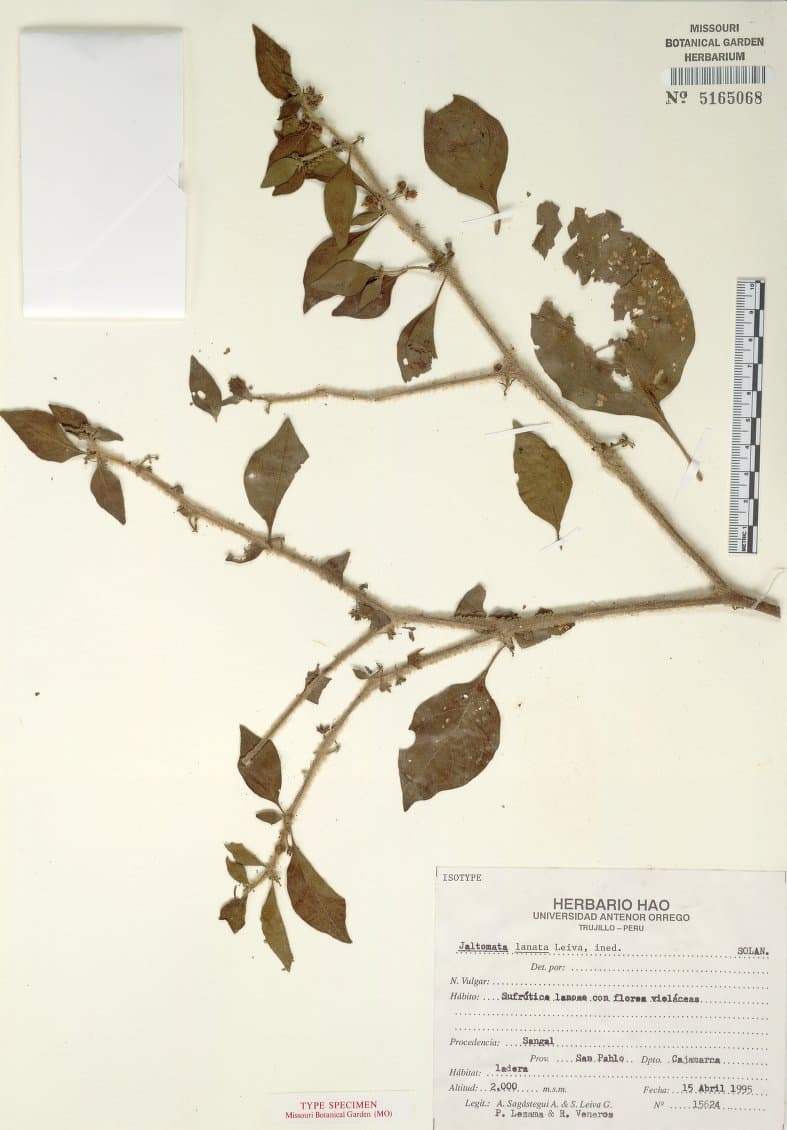
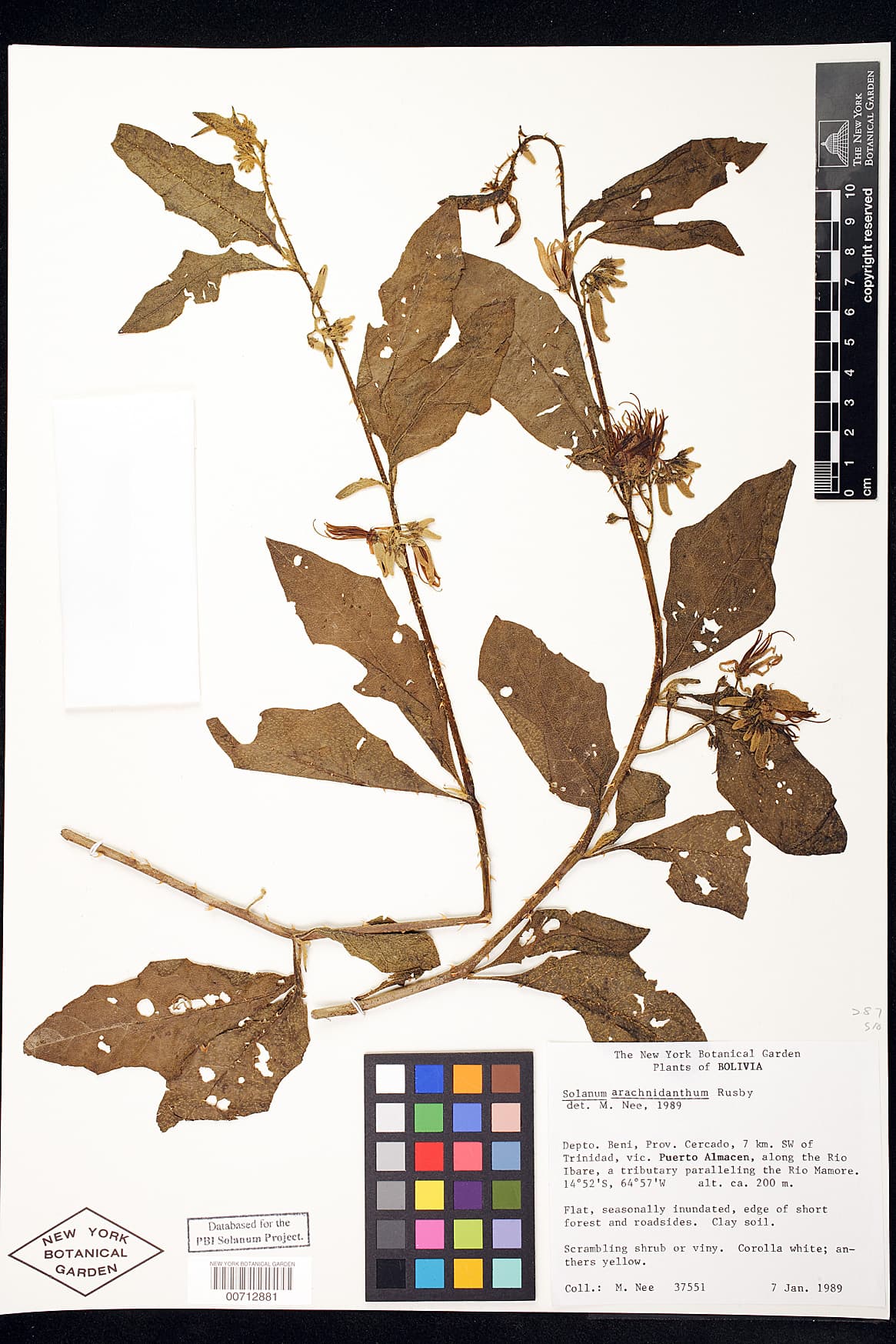
A shrub or small tree characterized by alternate, simple, entire leaves and small, often numerous flowers borne in axillary or terminal inflorescences. The plant typically produces berries, which are often the most toxic part.