Cestrum linearifolium
NameCestrum linearifolium
Scientific NameCestrum linearifolium
Common NamesNone widely recognized
Plant FamilySolanaceae
Natural HabitatNative to the Andean regions of South America, typically found in montane forests and cloud forest ecosystems at higher elevations, often in humid, subtropical to tropical climates.
Parts Usedleaf,bark
Medicinal Actionsanalgesic, anti-inflammatory, antimicrobial
Traditional UsesWhile specific traditional uses for Cestrum linearifolium are not extensively documented, other species within the Cestrum genus are traditionally used in folk medicine for pain relief, reducing inflammation, treating fevers, and as topical antimicrobials. Due to the plant's known toxicity, traditional applications are often external or highly cautious.
Active Constituentsalkaloids, saponins, flavonoids
Preparation Methodsinfusion, decoction, poultice
Contraindications & WarningsAll Cestrum species should be handled with extreme caution as they contain toxic alkaloids and saponins. Ingestion can cause severe gastrointestinal upset, neurological symptoms, and cardiac issues. Avoid use by pregnant or nursing women, children, and individuals with heart conditions or those taking sedatives or other medications without expert medical supervision.
Cultivation NotesPrefers well-drained, fertile soil and a humid environment. Thrives in partial shade to full sun in subtropical to tropical climates. Can be propagated from seeds or cuttings, but cultivation for medicinal purposes is not recommended due to its toxicity.
Rarityuncommon
Description
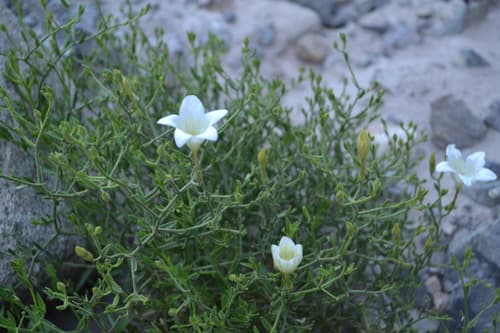
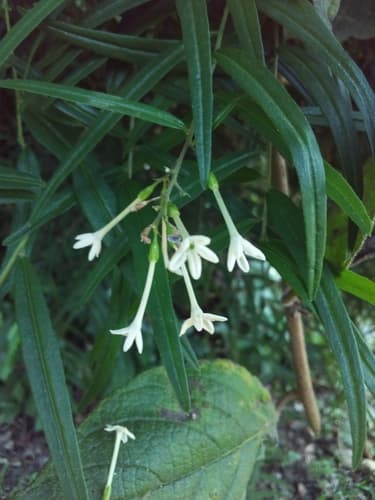
A shrub or small tree characterized by its narrow, linear to lanceolate leaves, which are typically dark green and glossy. It produces clusters of slender, tubular, greenish-white to yellowish flowers, often with a star-like opening at the tip, as seen in the image.