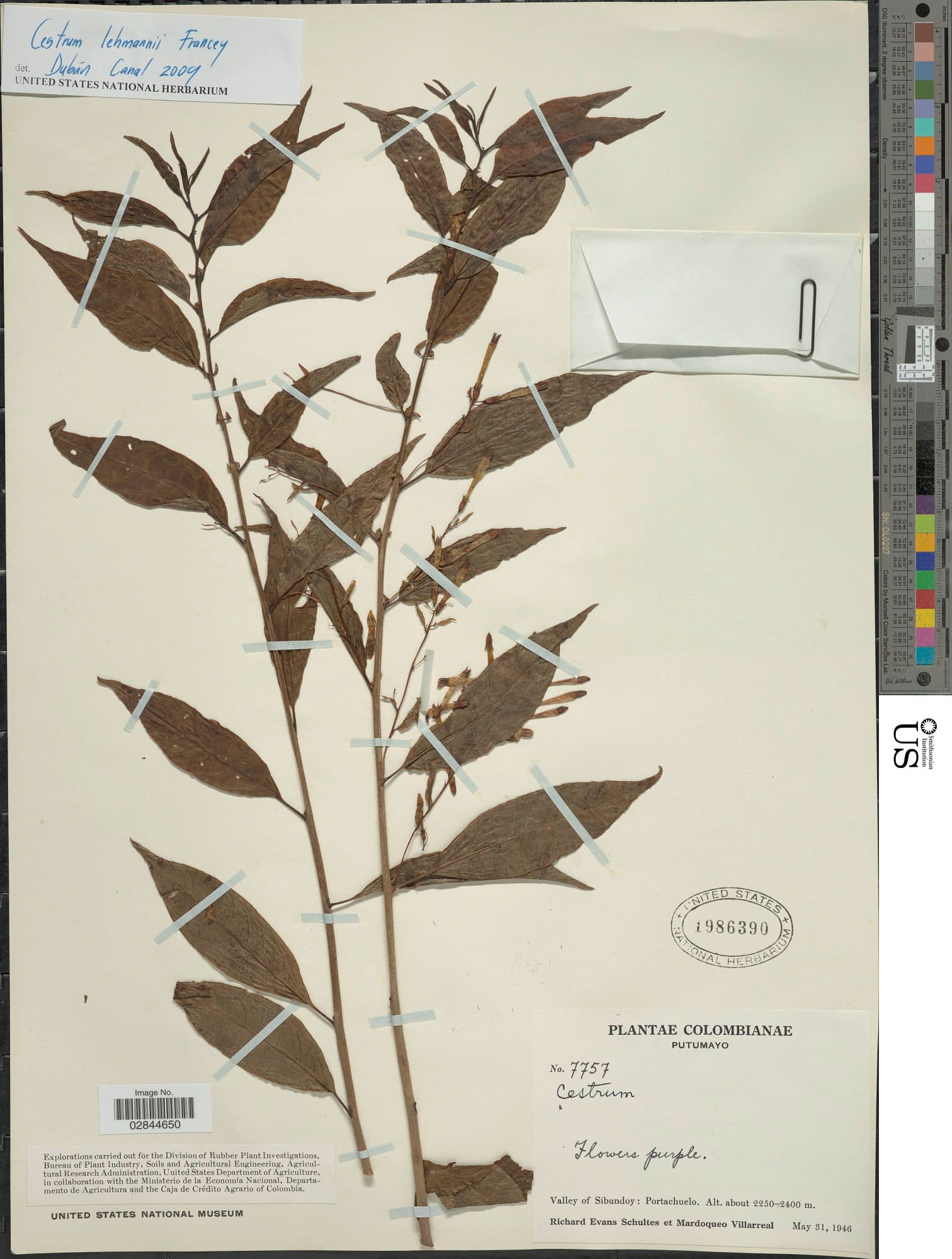
Cestrum lehmannii
Image: Conveyor Belt (cc0)
NameCestrum lehmannii
Scientific NameCestrum lehmannii Francey
Plant FamilySolanaceae
Natural HabitatNative to the Andean regions of South America, specifically found in montane forests of Colombia and Ecuador. The specimen was collected in the Valley of Sibundoy, Portachuelo, Colombia, at an altitude of approximately 2250-2400 meters.
Parts Used
Traditional UsesDue to the general toxicity of the Cestrum genus, Cestrum lehmannii is not widely recognized for safe internal medicinal use. While some Cestrum species have been investigated for potential antimicrobial or anti-inflammatory properties in research settings, traditional human medicinal applications are scarce and often carry significant risks.
Active ConstituentsSteroidal glycoalkaloids (e.g., solasodine and its glycosides), Saponins, Flavonoids
Contraindications & WarningsAll parts of Cestrum species, including Cestrum lehmannii, are generally considered toxic due to the presence of steroidal glycoalkaloids. Ingestion can cause severe gastrointestinal upset, neurological symptoms, and can be fatal, particularly in children and livestock. Internal use is strongly contraindicated.
Cultivation NotesAs a species native to high-altitude Andean regions, Cestrum lehmannii would likely prefer cool, moist conditions with well-drained soil. It would require a climate mimicking its natural montane forest habitat, potentially making it challenging to cultivate outside its native range.
Rarityuncommon
Description
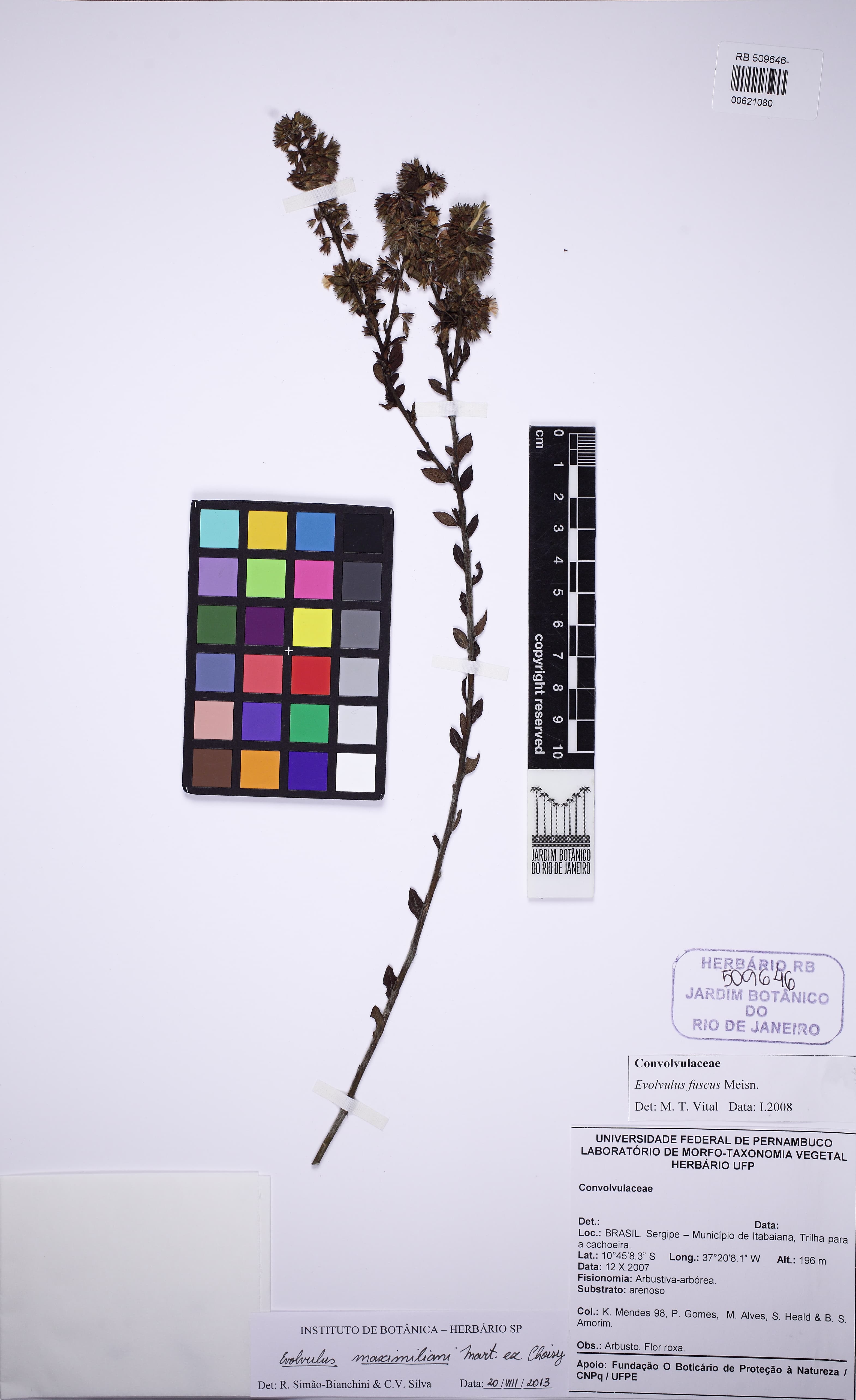
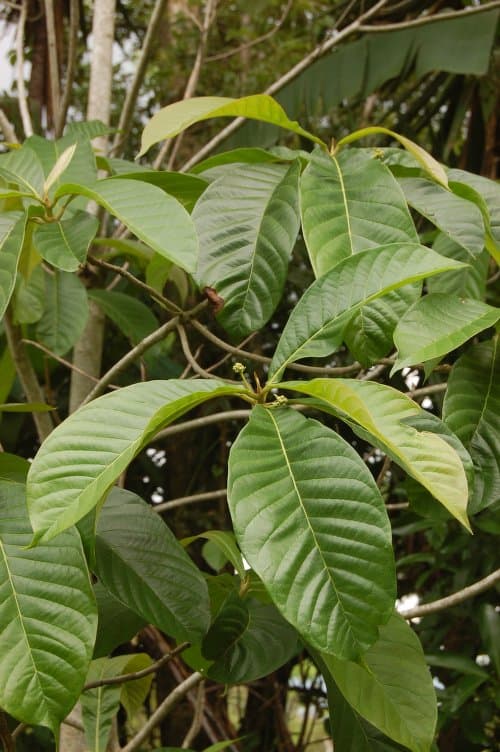
Cestrum lehmannii is a shrub or small tree characterized by simple, alternate leaves and tubular purple flowers. The specimen shows woody stems with ovate to lanceolate leaves, typical of the genus.