Cestrum imbricatum
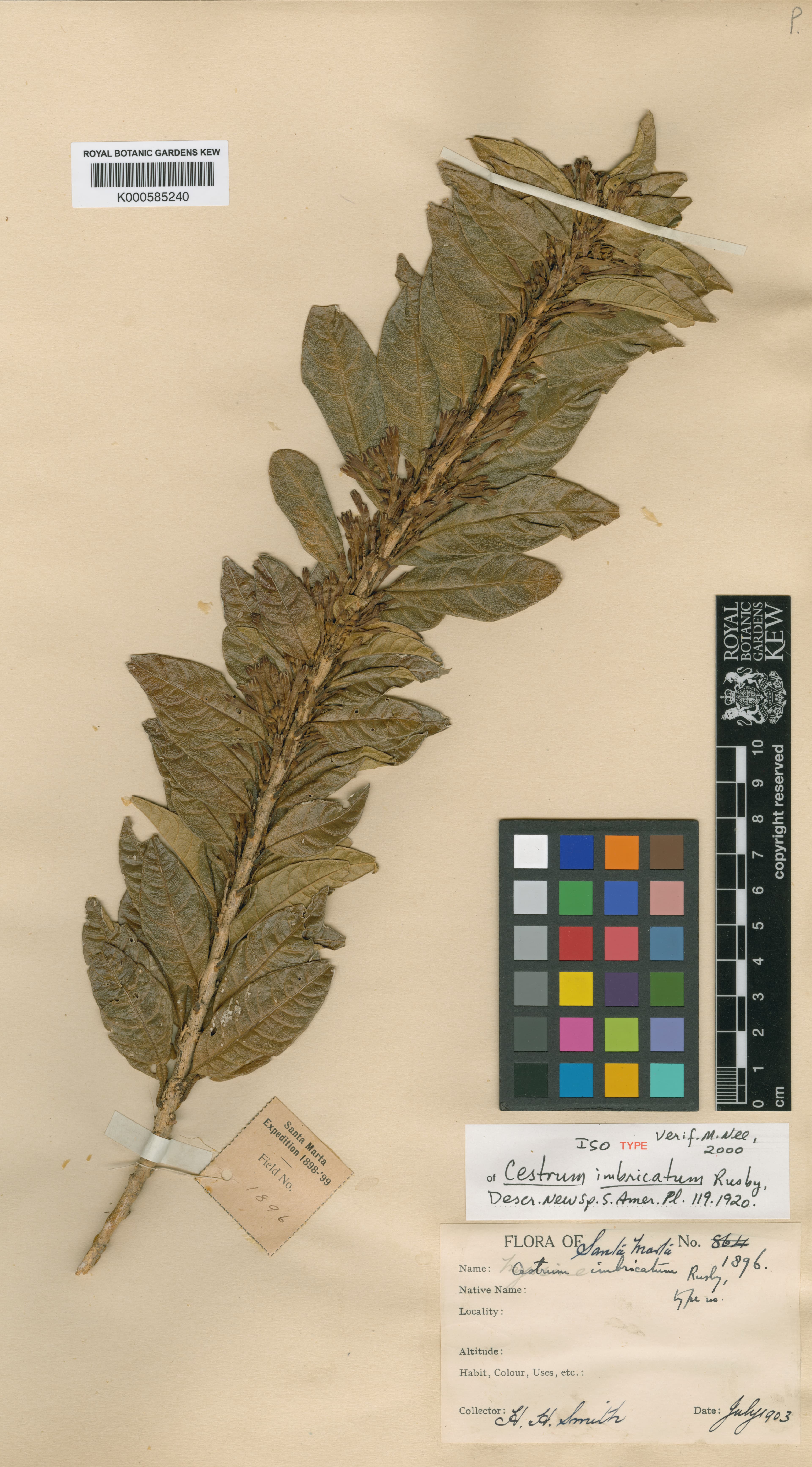
Image: Smith, H.H. (cc-by)
NameCestrum imbricatum
Scientific NameCestrum imbricatum Rusby
Plant FamilySolanaceae
Natural HabitatNative to tropical and subtropical regions of South America, specifically documented from Santa Marta, Colombia, suggesting a preference for warm, possibly humid environments.
Parts Usedleaf,flower
Traditional UsesTraditional medicinal uses for Cestrum imbricatum are not widely documented. The genus Cestrum is generally known for containing toxic compounds, and while some species have limited traditional uses, these are often associated with significant caution due to toxicity.
Active Constituentssteroidal saponins, alkaloids
Contraindications & WarningsAll parts of Cestrum species, including Cestrum imbricatum, are generally considered toxic if ingested by humans or livestock. Ingestion can lead to gastrointestinal upset, neurological symptoms, and cardiac issues.
Cultivation NotesCestrum species typically thrive in full sun to partial shade with well-drained soil in warm, frost-free climates. They are often grown as ornamental shrubs.
Rarityuncommon
Description
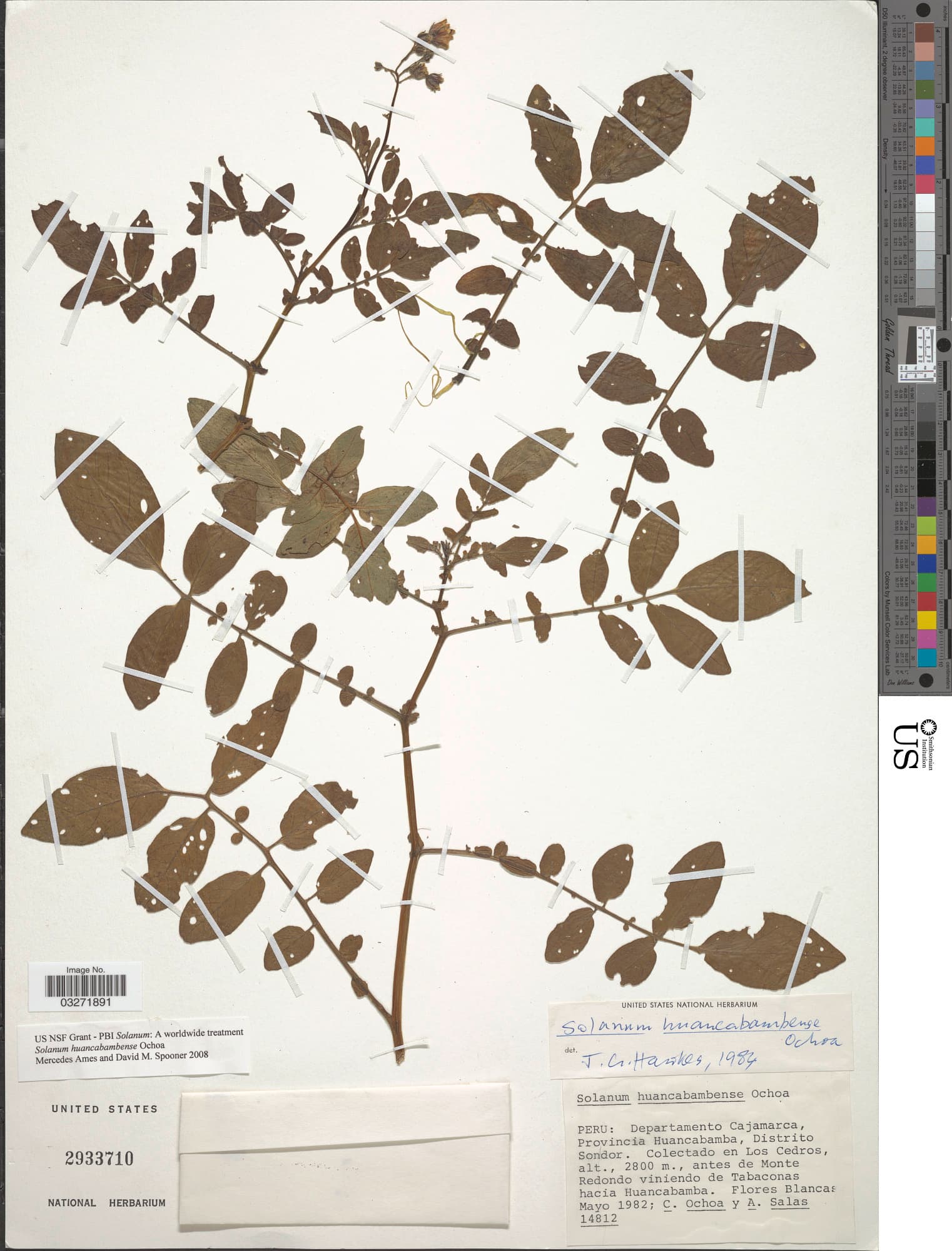
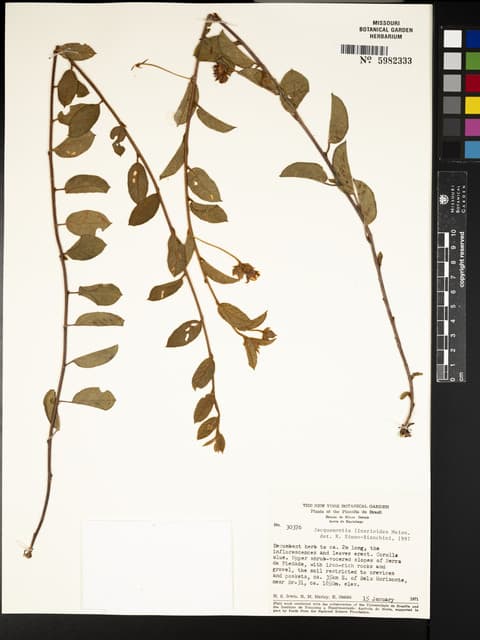
Cestrum imbricatum is a woody shrub or small tree, as depicted by the herbarium specimen showing a branch with alternate, ovate to elliptic leaves. It features dense terminal clusters of small, tubular flowers, which appear dried on the preserved specimen.