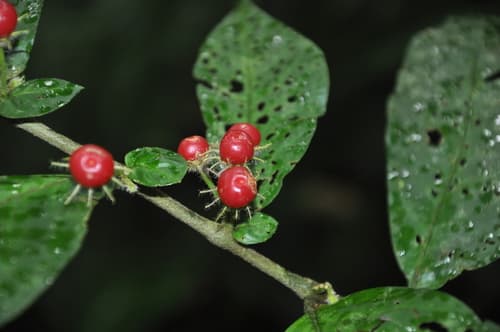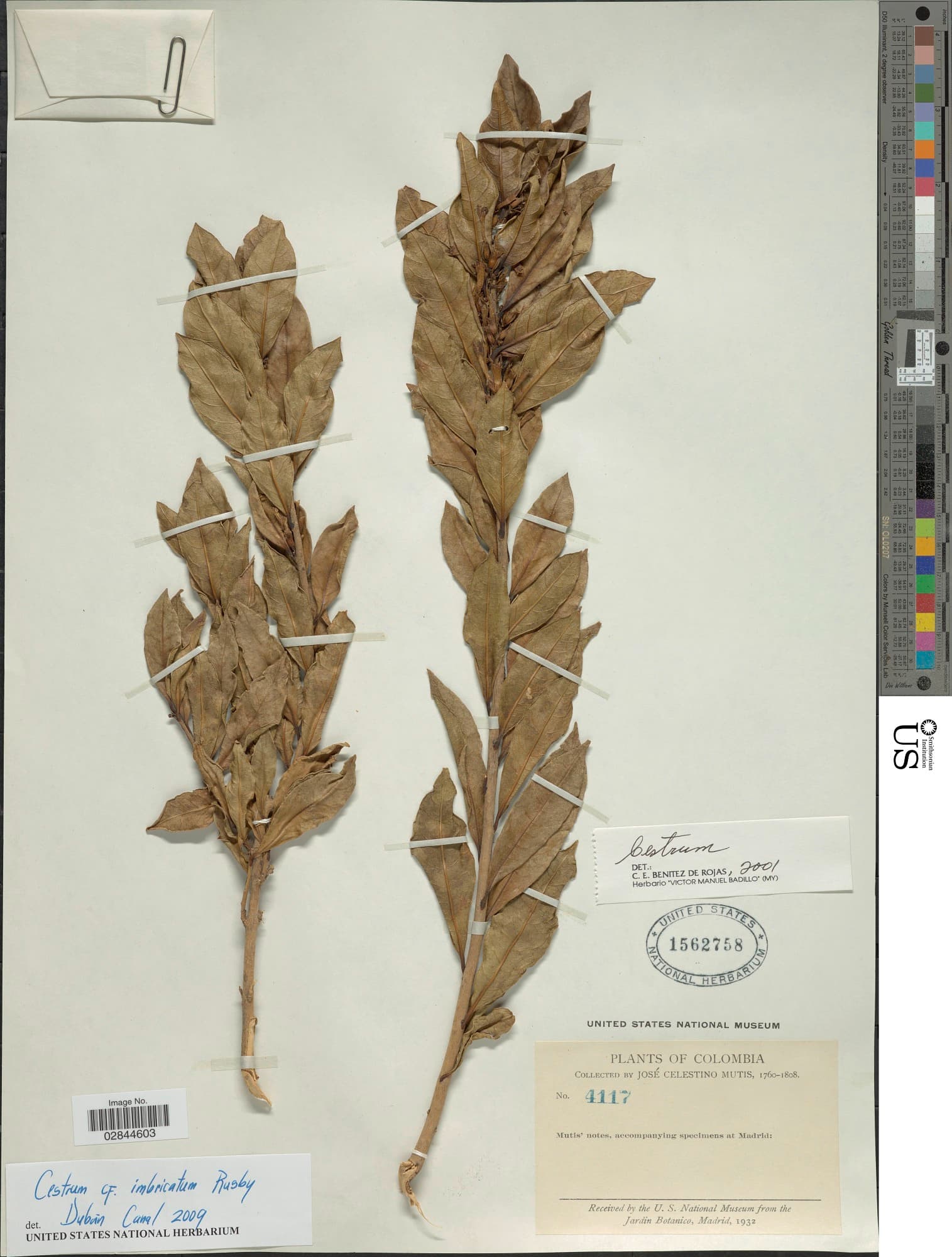
Cestrum imbricatum
Image: Conveyor Belt (cc0)
NameCestrum imbricatum
Scientific NameCestrum imbricatum Rusby
Plant FamilySolanaceae
Natural HabitatNative to the Andean regions of South America, particularly Colombia, where it typically grows in montane forests, forest edges, and disturbed areas at moderate to high elevations.
Parts Used
Traditional UsesSpecific traditional medicinal uses for Cestrum imbricatum are not well-documented in ethnobotanical literature. The genus Cestrum is generally known for its toxicity, containing steroidal saponins and alkaloids, and is often considered poisonous rather than medicinal.
Active ConstituentsSteroidal saponins, Alkaloids (e.g., solasodine, solamargine)
Contraindications & WarningsAll parts of Cestrum imbricatum are considered toxic. Ingestion can cause severe gastrointestinal upset, neurological symptoms, and can be fatal, especially in animals. Skin contact may cause irritation. Avoid use by pregnant or nursing women, children, and individuals with liver or kidney conditions.
Cultivation NotesTypically thrives in tropical and subtropical climates. Prefers full sun to partial shade and well-drained soil. Can be cultivated as an ornamental shrub, but caution should be exercised due to its inherent toxicity.
Rarityuncommon
Description
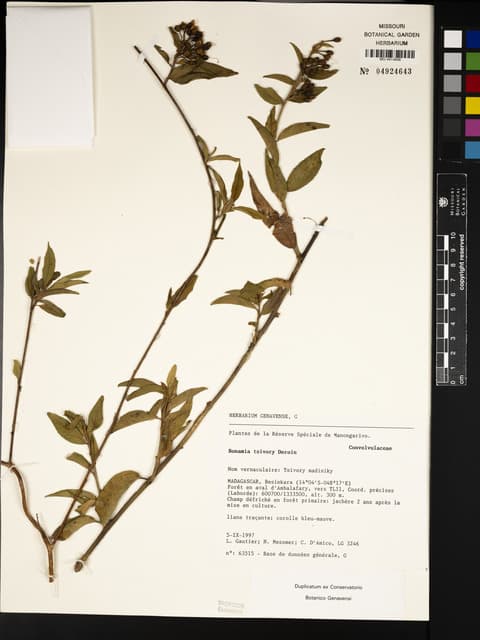
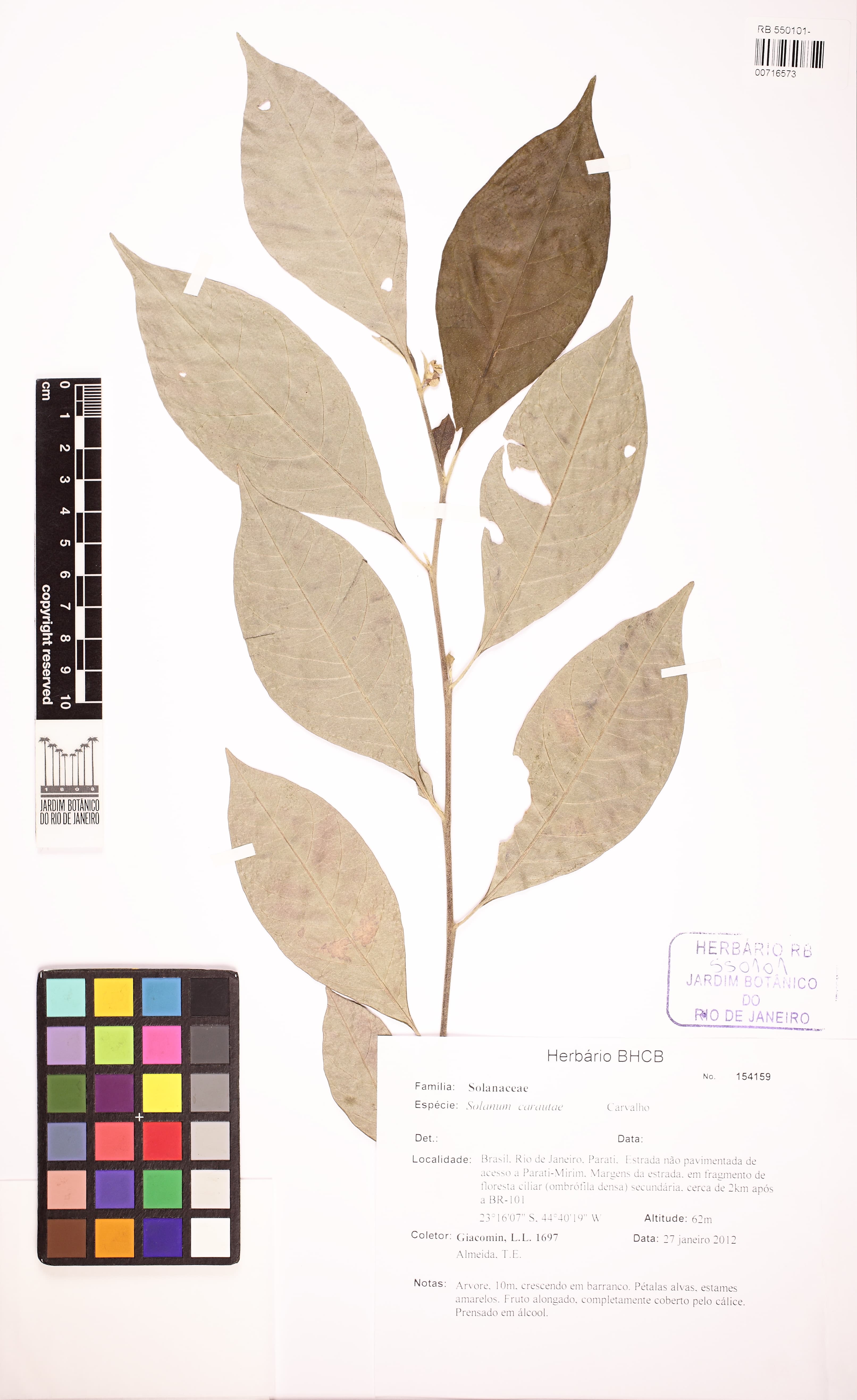
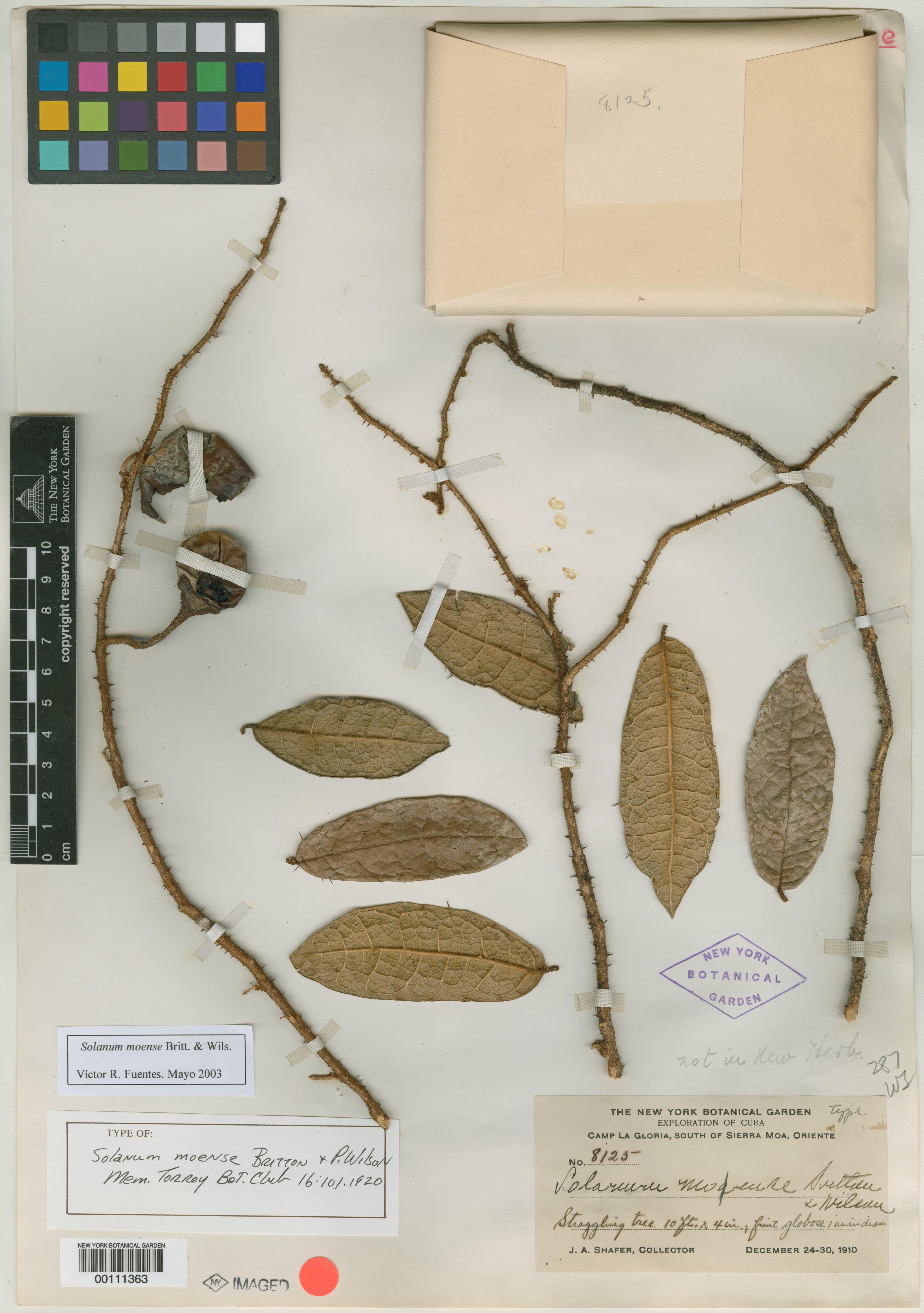
A woody shrub or small tree, Cestrum imbricatum is characterized by alternate, simple, ovate to elliptic leaves with entire margins. The specimen displays dried stems and foliage, typical of a herbarium collection, indicating a robust, leafy plant structure.