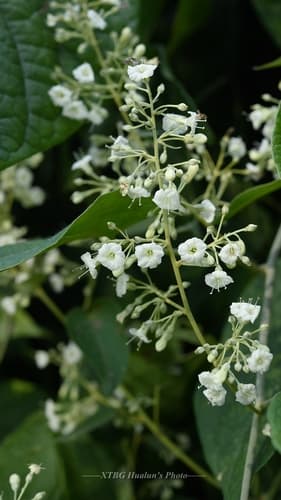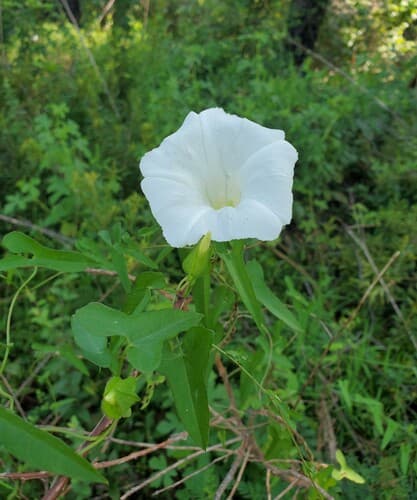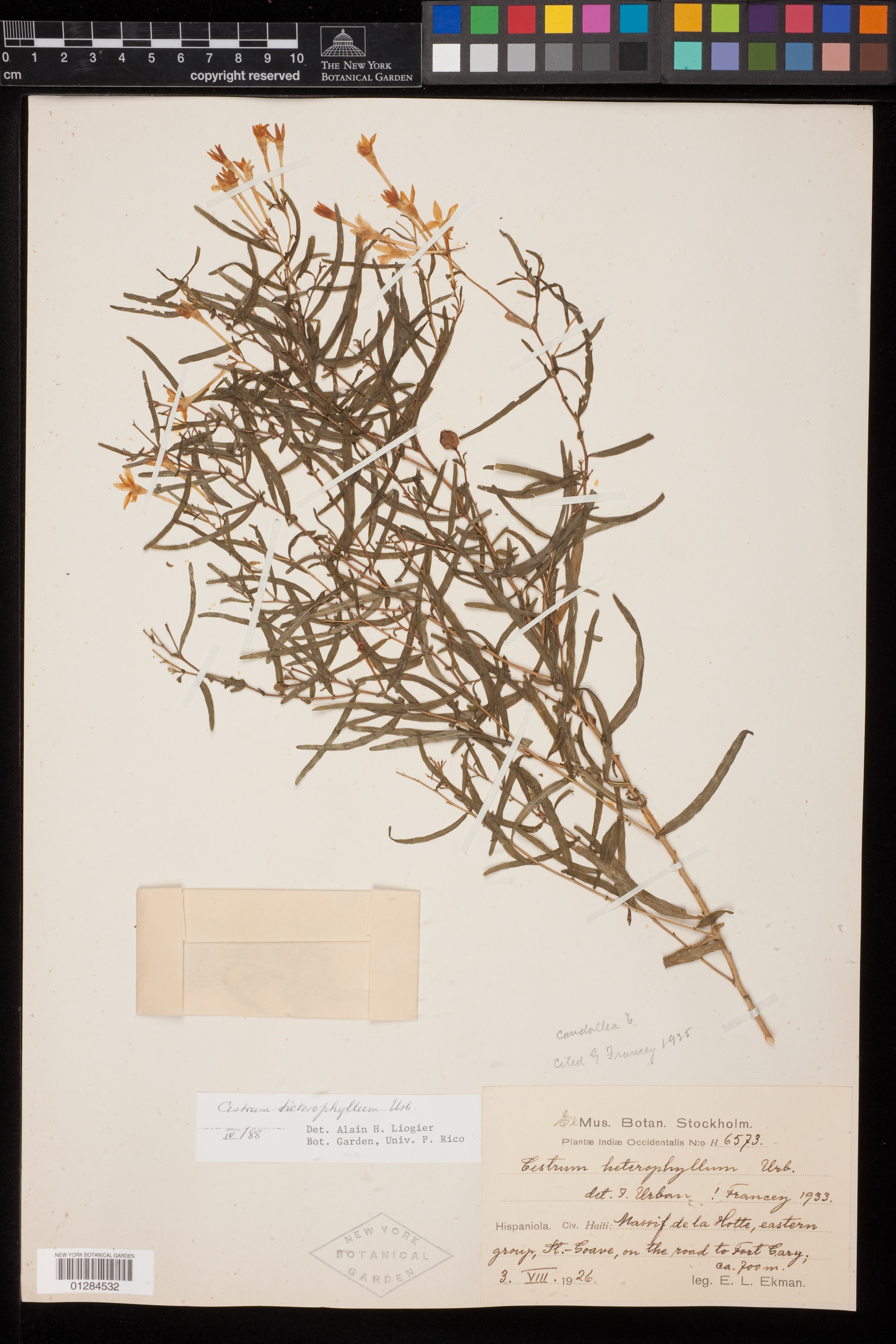
Cestrum heterophyllum
Image: The New York Botanical Garden (cc-by)
NameCestrum heterophyllum
Scientific NameCestrum heterophyllum Urb.
Plant FamilySolanaceae
Natural HabitatEndemic to Hispaniola, specifically found in mountainous regions of Haiti, such as the Massif de la Hotte, at elevations around 700 meters. It likely grows in forest edges or disturbed areas within its range.
Parts Used
Traditional UsesNo well-documented traditional medicinal uses for *Cestrum heterophyllum*. While some related *Cestrum* species are used in traditional medicine, they are often handled with extreme caution due to their known toxicity.
Active ConstituentsSteroidal glycosides, Alkaloids
Contraindications & WarningsThe genus *Cestrum* is generally considered toxic due to the presence of steroidal glycosides and alkaloids. Ingestion of parts of *Cestrum* plants can cause gastrointestinal upset, neurological symptoms, and other adverse effects in humans and livestock. Specific contraindications for *C. heterophyllum* are not well-documented, but extreme caution is advised due to potential toxicity.
Cultivation Notes*Cestrum* species generally prefer full sun to partial shade and well-drained soil. They are often grown as ornamental shrubs in tropical and subtropical climates.
Rarityrare
Description
A shrubby plant characterized by slender stems, narrow, lanceolate to linear-lanceolate leaves, and terminal clusters of small, tubular flowers. The dried flowers on the specimen appear orange-brown, and small developing fruits (berries) are also present.