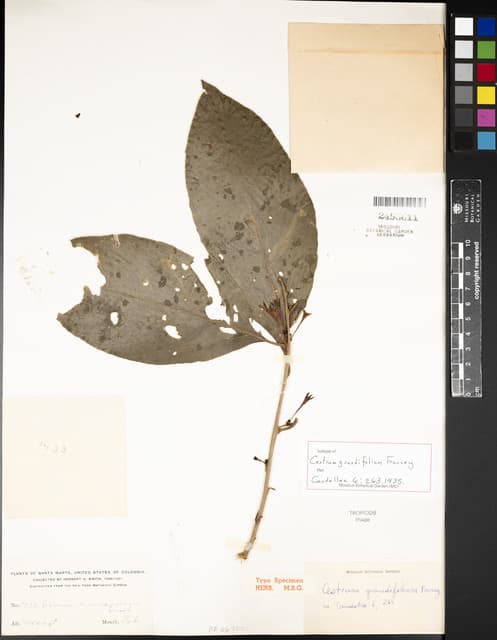
Cestrum grandifolium
Image: MBG (cc-by-nc)
NameCestrum grandifolium
Scientific NameCestrum grandifolium
Common NamesLarge-leaved Cestrum
Plant FamilySolanaceae
Natural HabitatNative to tropical and subtropical regions of South America, particularly found in disturbed areas, forest edges, and along roadsides in countries like Colombia, Ecuador, and Peru.
Parts Usedleaf,bark,flower
Medicinal Actionsanalgesic, anti-inflammatory
Traditional UsesTraditionally, some Cestrum species, including C. grandifolium in certain regions, have been used externally for pain relief, inflammation, and skin conditions. Due to its inherent toxicity, internal use is generally not recommended and can be dangerous.
Active Constituentssteroidal saponins, alkaloids, glycosides
Preparation Methodspoultice, salve
Contraindications & WarningsAll parts of Cestrum grandifolium are considered toxic, especially when ingested, and can cause severe gastrointestinal and neurological symptoms. It should not be used internally. External use should be done with extreme caution, avoiding broken skin. Pregnant or nursing women and children should avoid contact.
Cultivation NotesCestrum grandifolium prefers full sun to partial shade and well-drained soil. It is a fast-growing plant that thrives in warm, humid climates and can tolerate some drought once established. It can be propagated by seeds or cuttings.
Raritycommon
Description
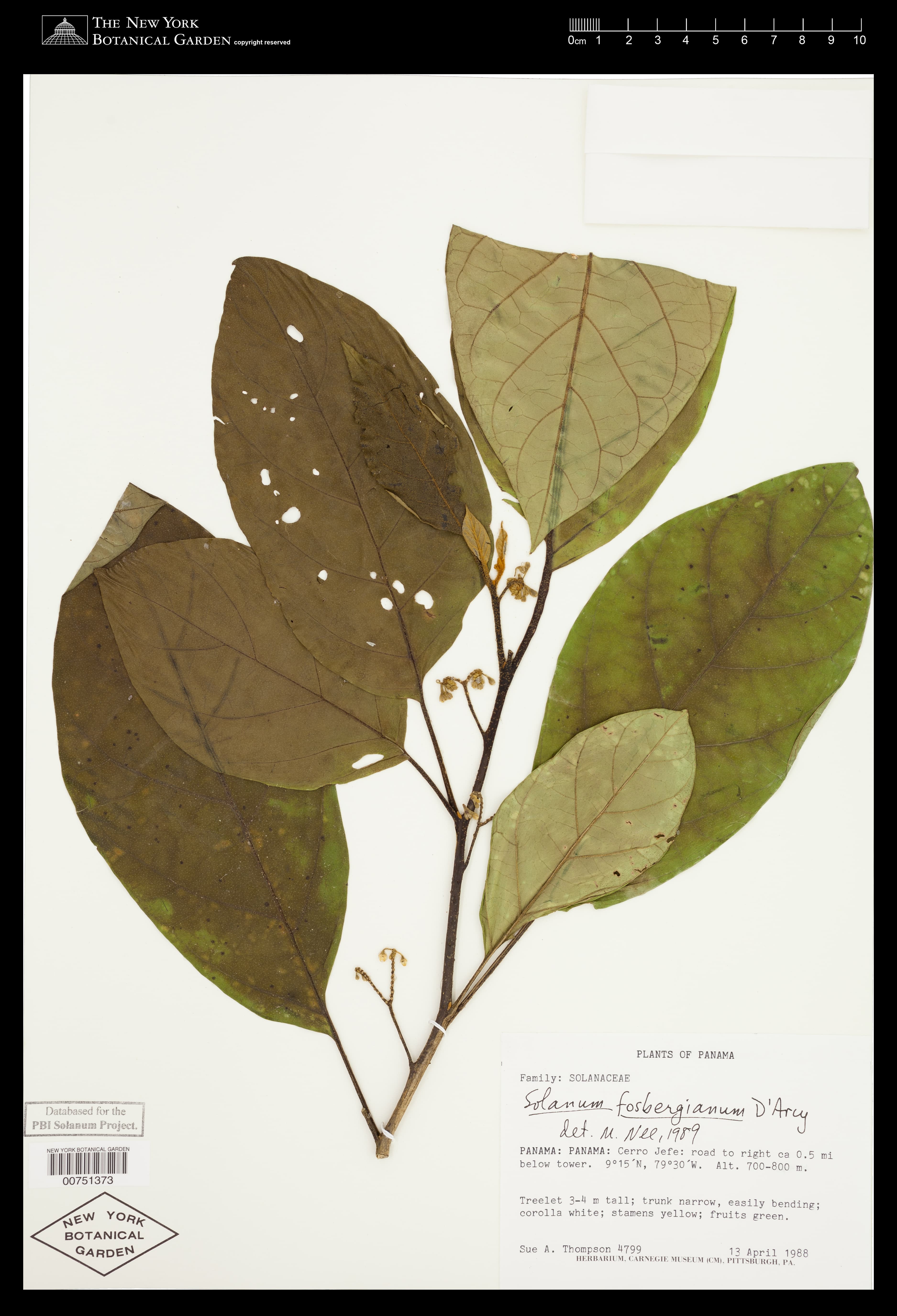
Cestrum grandifolium is a shrub or small tree characterized by its large, ovate to elliptic leaves, which are typically dark green. It produces clusters of tubular, often greenish-white to yellow flowers, followed by small berries.