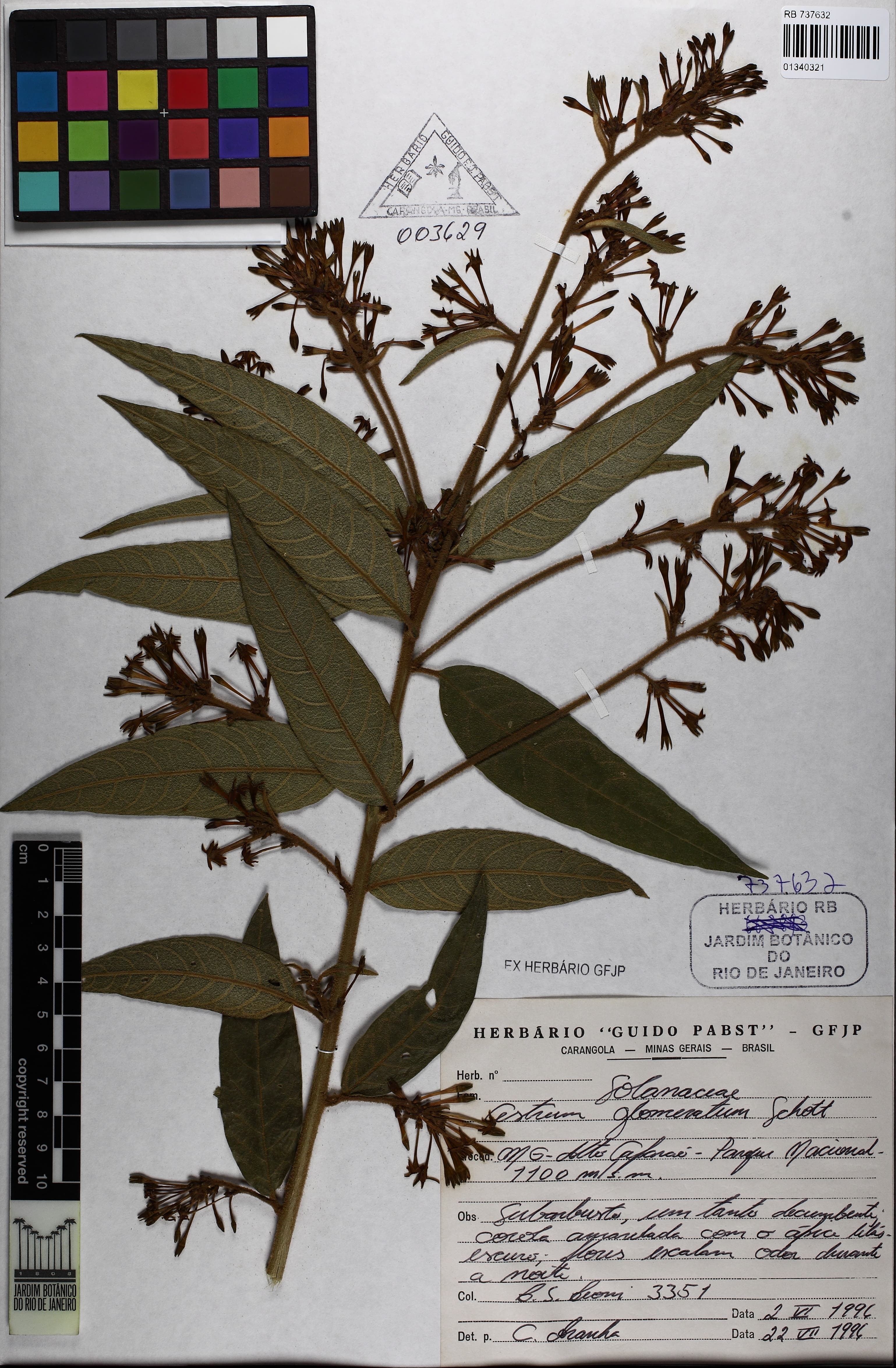
Cestrum glomeratum
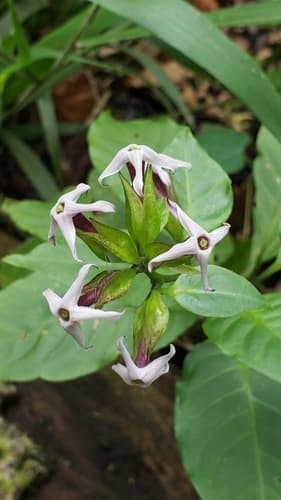
Image: L.S. Leoni (cc-by)
NameCestrum glomeratum
Scientific NameCestrum glomeratum Schott ex Sendtn.
Plant FamilySolanaceae
Natural HabitatNative to Brazil, specifically found in mountainous regions of the Atlantic Forest biome, often at elevations around 1100 meters, as indicated by the collection data from Alto Caparaó National Park in Minas Gerais.
Parts Usedleaf,flower
Traditional UsesTraditional medicinal uses for Cestrum glomeratum are not well-documented in reliable sources. The genus Cestrum is generally known for containing toxic compounds, and while some species have been used cautiously in traditional medicine for various ailments (e.g., as purgatives or emetics), such uses are often associated with significant risks due to toxicity.
Active Constituentssteroidal saponins, alkaloids
Contraindications & WarningsDue to the presence of potentially toxic steroidal saponins and alkaloids, which are common in the Cestrum genus, ingestion of Cestrum glomeratum is generally contraindicated. Consumption may lead to gastrointestinal distress, neurological symptoms, or other adverse effects.
Cultivation NotesThis species typically thrives in tropical to subtropical climates, preferring well-drained soil and conditions ranging from full sun to partial shade. Propagation can generally be achieved through seeds or stem cuttings.
Rarityuncommon
Description
A woody shrub or small tree, this plant features alternate, simple, ovate-lanceolate leaves with acute apices, often exhibiting pubescence on the undersides and stems. It produces clusters of tubular flowers arranged in terminal and axillary inflorescences.