Cestrum endlicheri
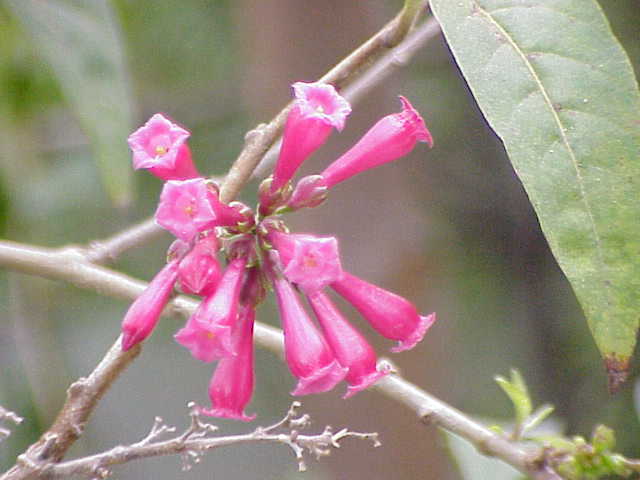
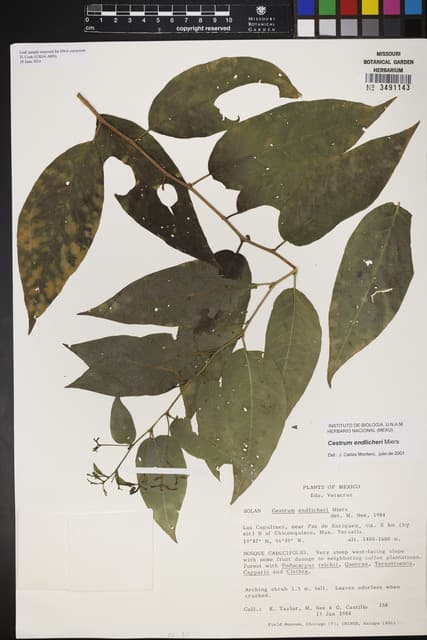
Image: MBG (cc-by-nc)
NameCestrum endlicheri
Scientific NameCestrum endlicheri Miers
Plant FamilySolanaceae
Natural HabitatThis species is found in deciduous forests on very steep, west-facing slopes at altitudes between 1400-1600 meters. It grows alongside trees like Podocarpus reichii, Quercus, Ternstroemia, Capparis, and Clethra in regions like Veracruz, Mexico.
Parts Usedleaf,flower
Traditional UsesSpecific traditional medicinal uses for Cestrum endlicheri are not widely documented in available literature. The genus Cestrum is generally known for containing toxic compounds, and caution is advised.
Active Constituentssteroidal saponins, glycoalkaloids
Contraindications & WarningsDue to the known presence of toxic compounds (steroidal saponins, glycoalkaloids) in the Cestrum genus, Cestrum endlicheri should be considered potentially toxic. Internal use is strongly contraindicated, and external use should be approached with extreme caution due to potential skin irritation or absorption.
Cultivation NotesThis shrub prefers mountainous, high-altitude environments (1400-1600m) with steep, west-facing slopes, suggesting a need for good drainage and specific light conditions. It thrives in deciduous forest ecosystems.
Rarityuncommon
Description
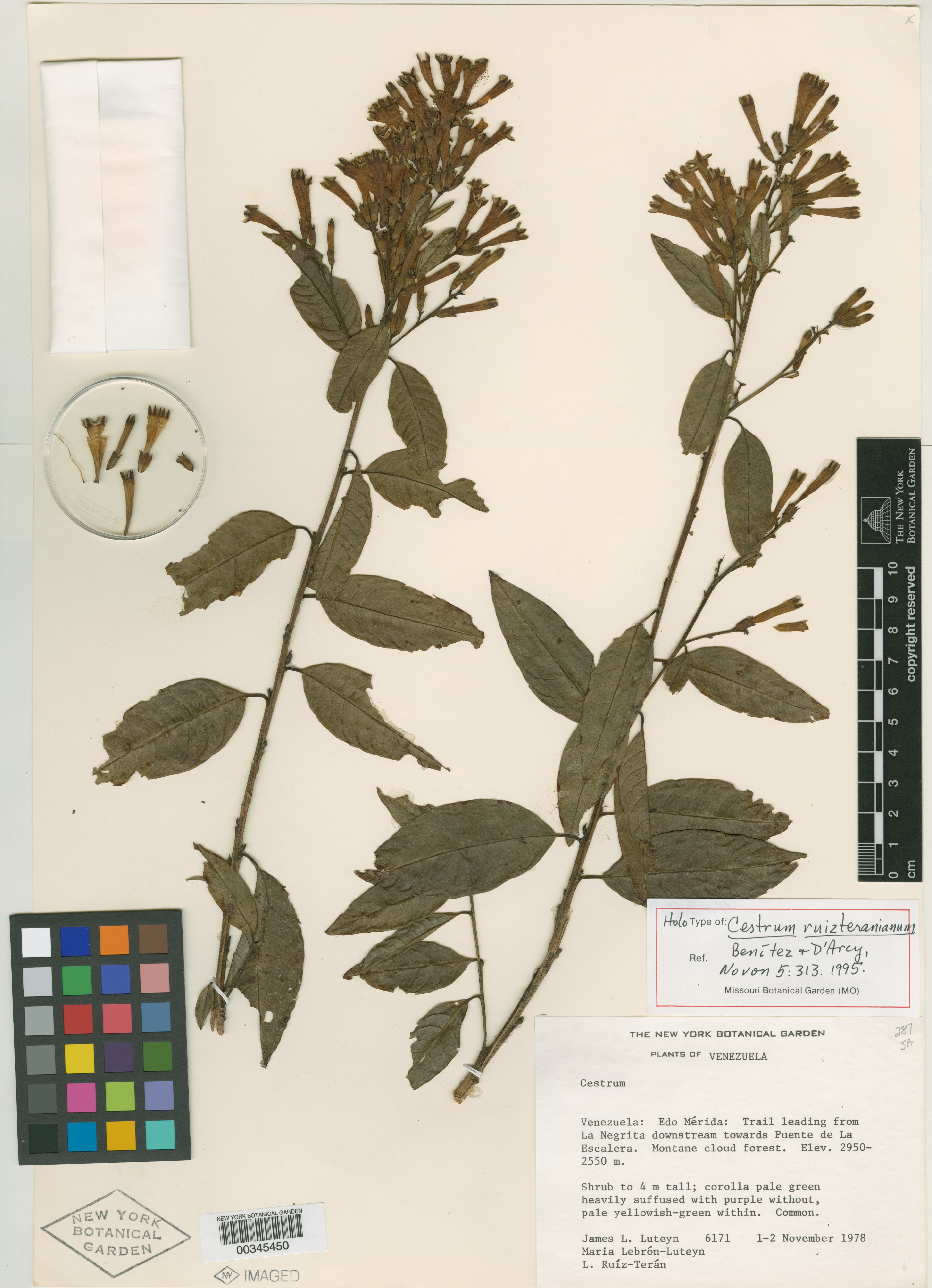
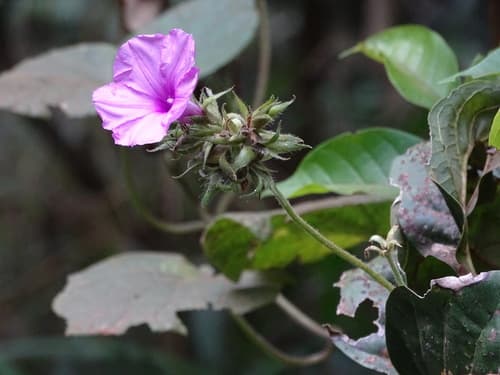
Cestrum endlicheri is an arching shrub, typically growing to about 1.5 meters tall. Its leaves are noted to be odorless when crushed. The specimen shows ovate to lanceolate leaves arranged alternately along the stem, with some small flower buds present.