Cestrum ehrenbergii
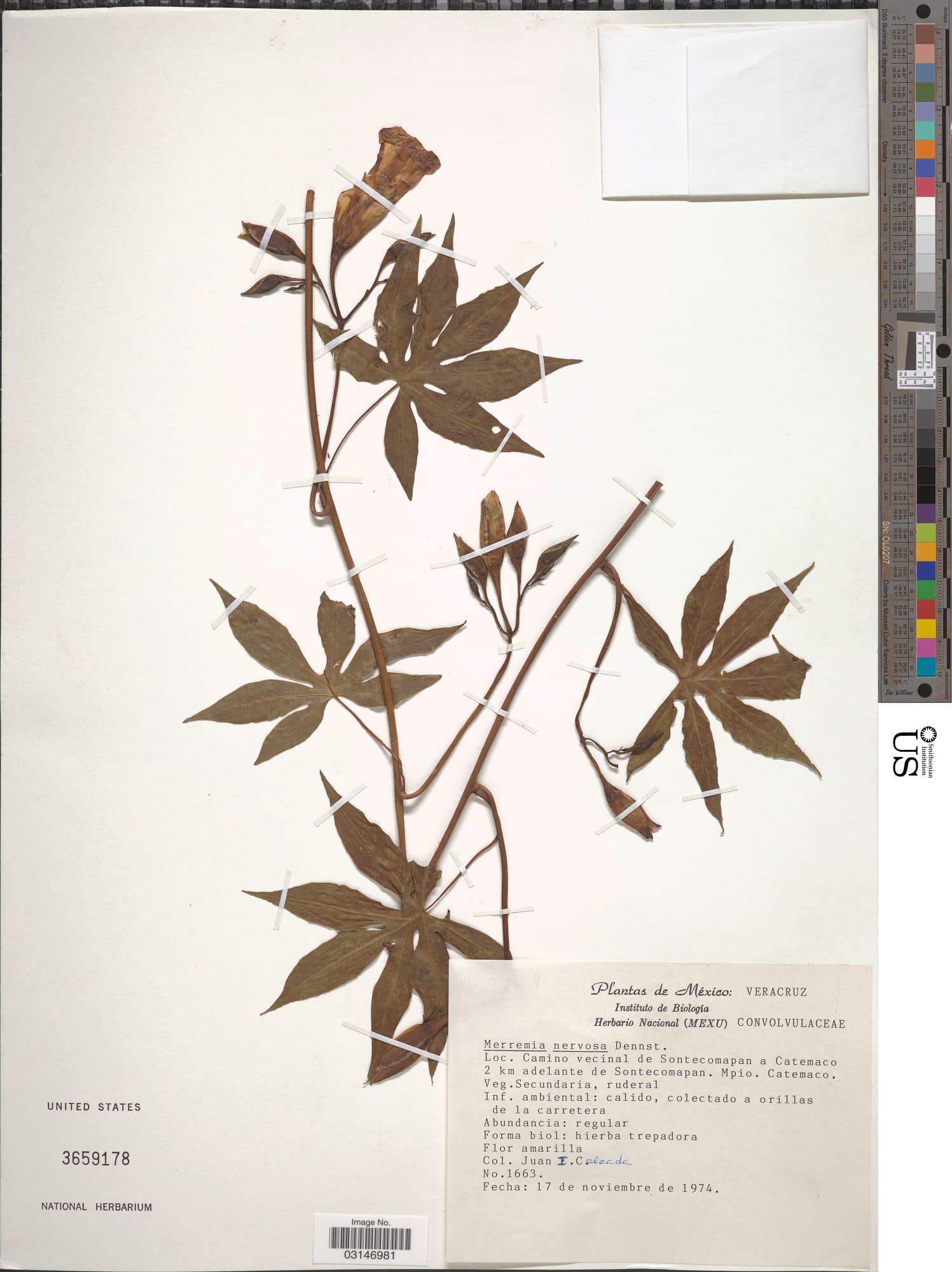
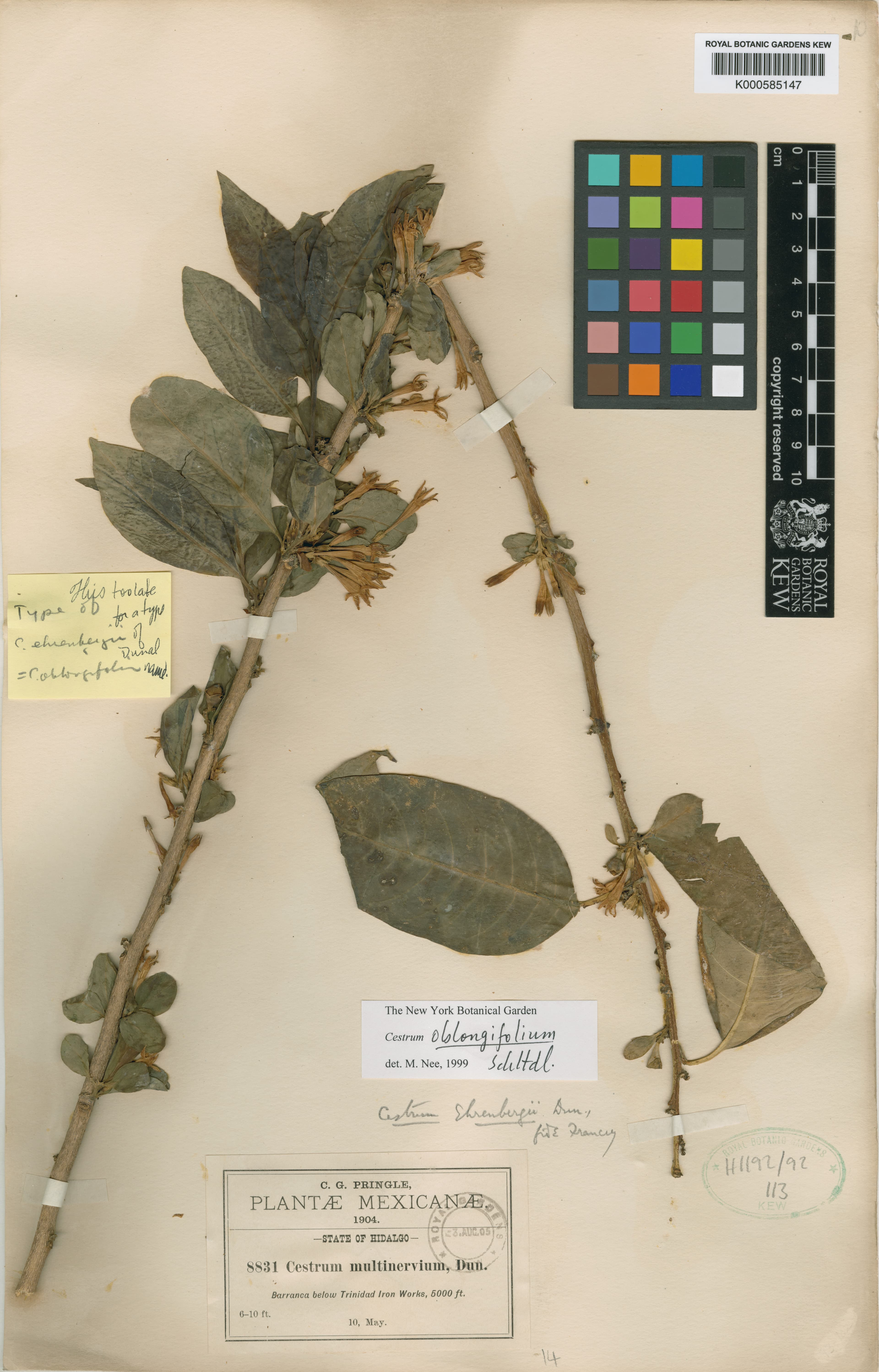
Image: Pringle, C.G. (cc-by)
NameCestrum ehrenbergii
Scientific NameCestrum ehrenbergii Schltdl. ex Dunal
Plant FamilySolanaceae
Natural HabitatNative to Mexico, specifically found in the state of Hidalgo, growing in barrancas (ravines) at elevations around 5000 feet (approximately 1500 meters). This suggests a preference for subtropical to temperate mountainous or hilly environments.
Parts Usedleaf,flower
Medicinal Actionsanalgesic, anti-inflammatory, antimicrobial
Traditional UsesSpecific traditional uses for Cestrum ehrenbergii are not detailed in the provided context. However, other species within the Cestrum genus have been traditionally used, often externally, for conditions such as pain relief, inflammation, and skin ailments. Internal use is generally approached with extreme caution due to the genus's known toxicity.
Active Constituentssteroidal saponins, alkaloids, glycosides
Preparation Methodsinfusion, decoction, poultice
Contraindications & WarningsMany species within the Cestrum genus are known to be toxic to humans and livestock due to the presence of steroidal saponins and alkaloids. Ingestion can lead to gastrointestinal upset, neurological symptoms, and liver damage. Use should be approached with extreme caution, especially internally, and is generally not recommended without expert guidance.
Cultivation NotesThis plant likely thrives in subtropical to temperate climates, preferring well-drained soils, consistent with its native habitat in mountainous regions of Mexico. It would typically require conditions mimicking its natural environment, including adequate sunlight and moderate moisture.
Rarityuncommon
Description
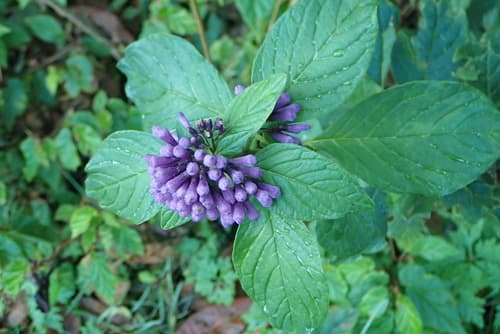
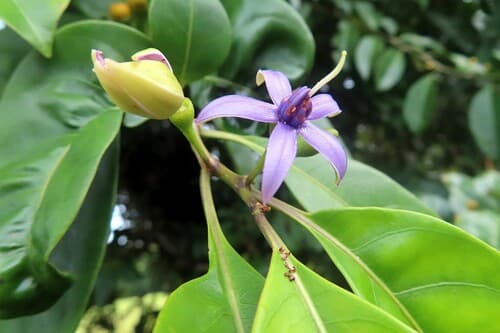
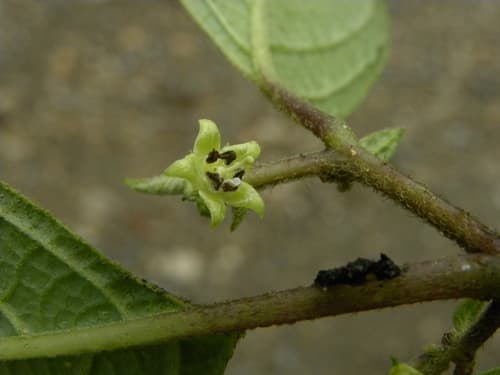
Cestrum ehrenbergii is a woody shrub or small tree, characterized by its lignified stems, simple alternate leaves, and clusters of tubular flowers. The herbarium specimen shows dried foliage and inflorescences, typical of a plant collected for botanical study.