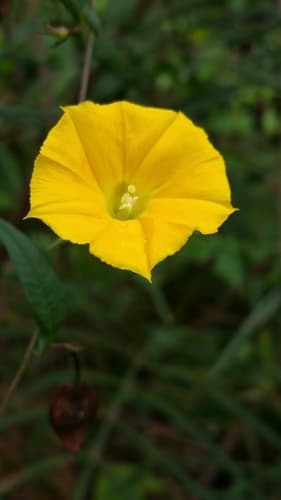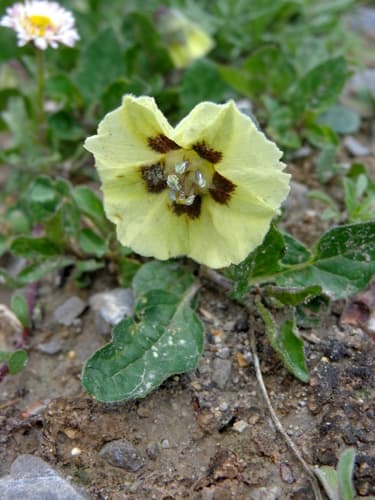
Physalis sordida
NamePhysalis sordida
Scientific NamePhysalis sordida
Common NamesSordid Groundcherry, Groundcherry
Plant FamilySolanaceae
Natural HabitatNative to South America, typically found in disturbed areas such as fields, roadsides, and agricultural lands, preferring open, sunny locations.
Parts Usedfruit,leaf
Medicinal Actionsanti-inflammatory, antioxidant, diuretic
Traditional UsesTraditionally, various *Physalis* species, including potentially *P. sordida*, have been used for their anti-inflammatory properties, to reduce fever, and as a diuretic. The ripe fruits are often consumed for general well-being.
Active ConstituentsPhysalins, Flavonoids, Steroids
Preparation Methodsinfusion, decoction, powder
Contraindications & WarningsUnripe fruits of *Physalis* species can be toxic due to solanine-like alkaloids. Caution is advised for pregnant or nursing women, young children, and individuals with allergies to the Solanaceae family. Consumption of large quantities may cause gastrointestinal upset.
Cultivation NotesThis annual plant thrives in full sun and well-drained soil, tolerating various soil types. It is typically propagated from seed and is relatively easy to grow in suitable climates.
Rarityuncommon
Description
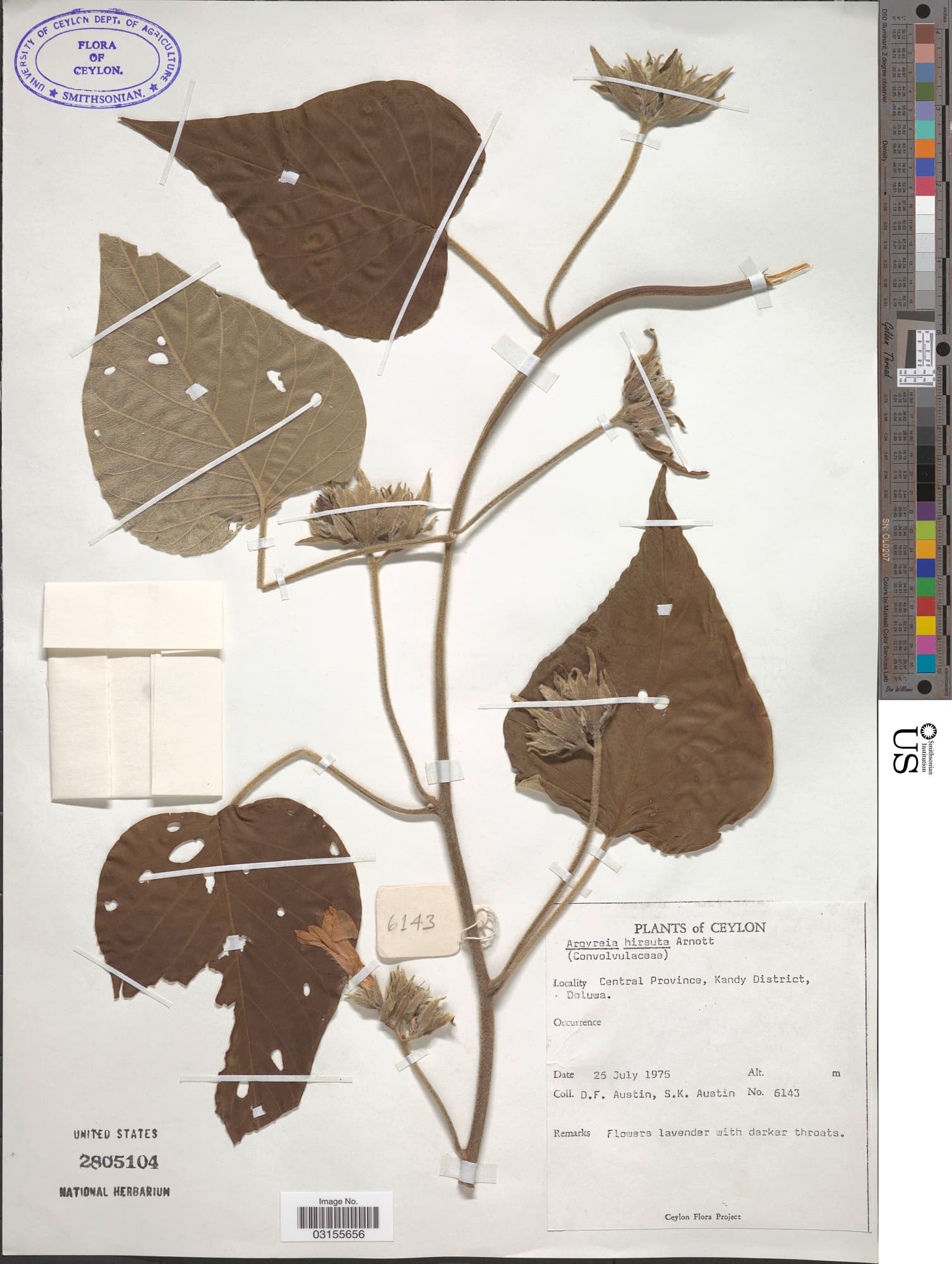
A low-growing annual herbaceous plant characterized by its pale yellow, bell-shaped flowers with distinctive dark brown or purplish spots in the throat. Its leaves are ovate and often slightly hairy, and it produces a berry fruit enclosed within an inflated, papery calyx.