Cascara Sagrada
NameCascara Sagrada
Scientific NameFrangula purshiana
Common NamesCascara Sagrada, Cascara, California Buckthorn, Chittem Bark, Sacred Bark
Plant FamilyRhamnaceae
Natural HabitatNative to western North America, Cascara Sagrada thrives in moist, well-drained soils within forests, woodlands, and along stream banks, typically preferring partial shade but tolerating full sun.
Parts Usedbark
Traditional UsesTraditionally, Cascara Sagrada bark has been used as a powerful stimulant laxative for treating chronic constipation. Native American tribes utilized the bark for various digestive issues and as a purgative, a practice later adopted widely in Western herbal medicine for its effectiveness in promoting bowel movements.
Active ConstituentsAnthraquinone glycosides, Cascarosides A, B, C, D, Emodin, Aloe-emodin
Preparation Methodsdecoction, tincture, powder
Contraindications & WarningsNot for long-term use due to risk of electrolyte imbalance, dependence, and colon damage. Contraindicated in intestinal obstruction, acute inflammatory bowel disease, appendicitis, abdominal pain of unknown origin, and dehydration. Avoid during pregnancy, breastfeeding, and in children under 12. May interact with diuretics, corticosteroids, and cardiac glycosides.
Cultivation NotesGrows best in moist, well-drained soil with partial shade to full sun. It is a relatively slow-growing plant that can be propagated from seed or cuttings. The bark must be aged for at least one year before medicinal use to reduce emetic effects.
Raritycommon
Description
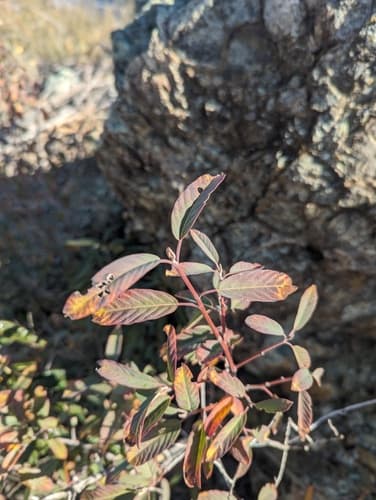
Cascara Sagrada is a deciduous shrub or small tree native to western North America, characterized by its oval, finely toothed leaves and small, dark berries. The bark, which is the primary medicinal part, is renowned for its potent laxative properties. The plant often displays reddish hues in its foliage, especially in autumn.