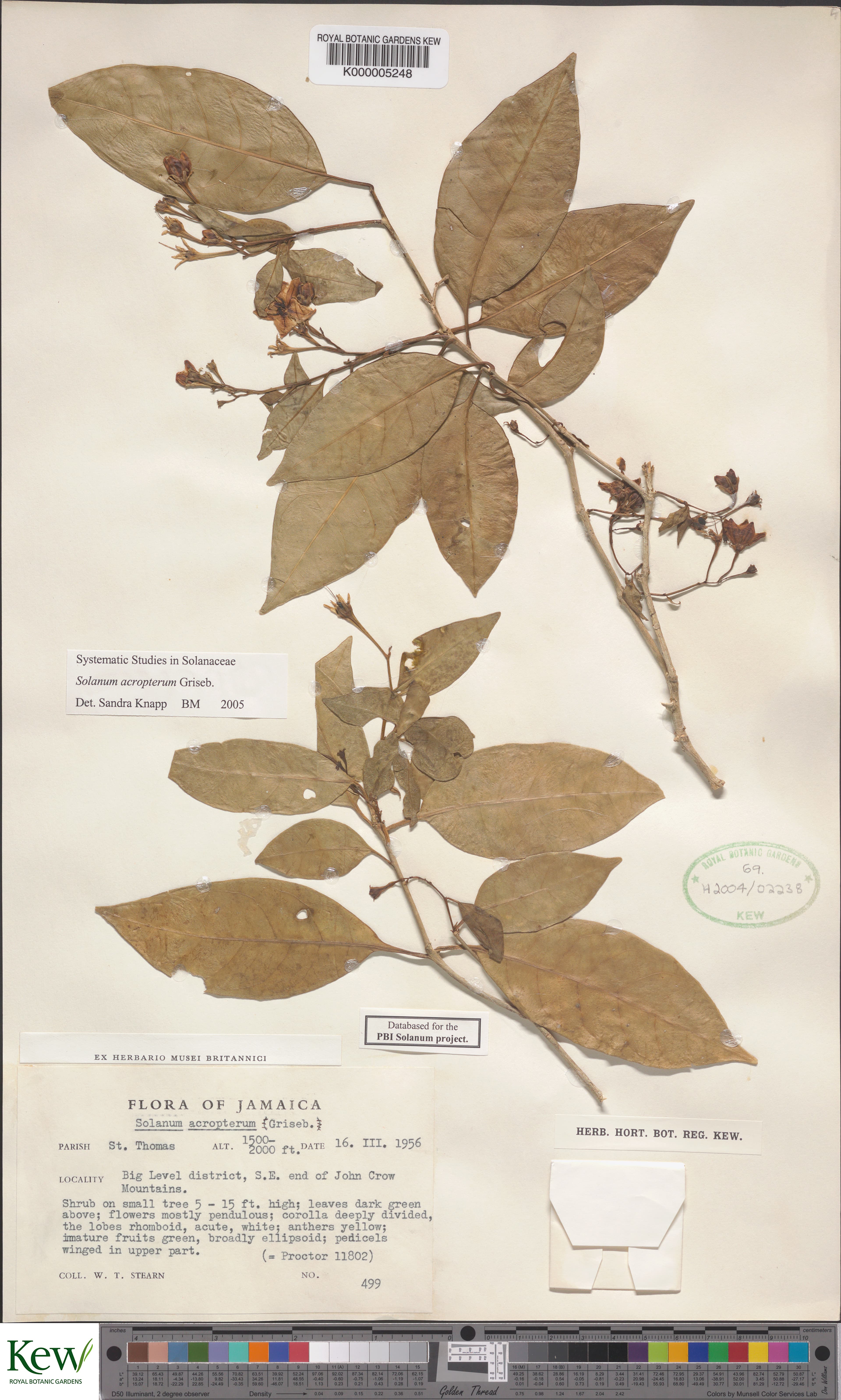
Lycium humile
NameLycium humile
Scientific NameLycium humile
Common NamesDwarf Lycium, Low Lycium
Plant FamilySolanaceae
Natural HabitatNative to arid and semi-arid regions of Southern Africa, typically found in sandy or rocky soils, often in coastal areas or dry riverbeds.
Parts Usedfruit,leaf
Medicinal Actionsantioxidant, anti-inflammatory
Traditional UsesSpecific traditional uses for Lycium humile are not well-documented in ethnobotanical literature. However, other species within the Lycium genus are widely used in traditional medicine for general tonic effects, supporting vision, and enhancing vitality, suggesting potential similar properties.
Active Constituentspolysaccharides, carotenoids, flavonoids
Preparation Methodsinfusion, powder
Contraindications & WarningsLimited specific data for Lycium humile. As with other Lycium species, caution is advised for individuals on anticoagulant medications (e.g., warfarin) due to potential interactions, and for those with known allergies to the Solanaceae family.
Cultivation NotesPrefers full sun and well-drained, sandy or rocky soils. It is highly drought-tolerant and suitable for xeriscaping. Can be propagated from seeds or cuttings.
Rarityuncommon
Description
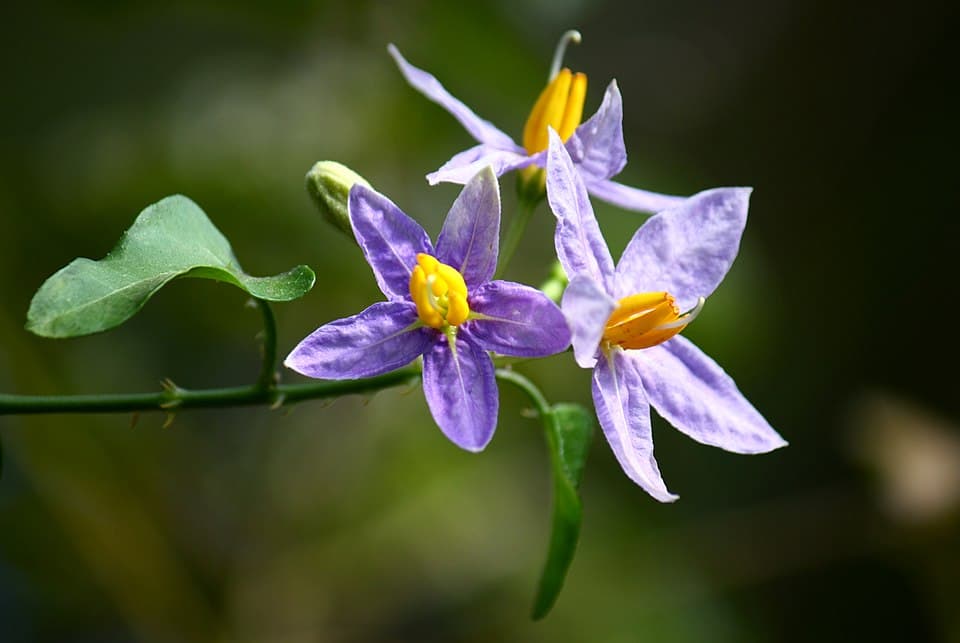
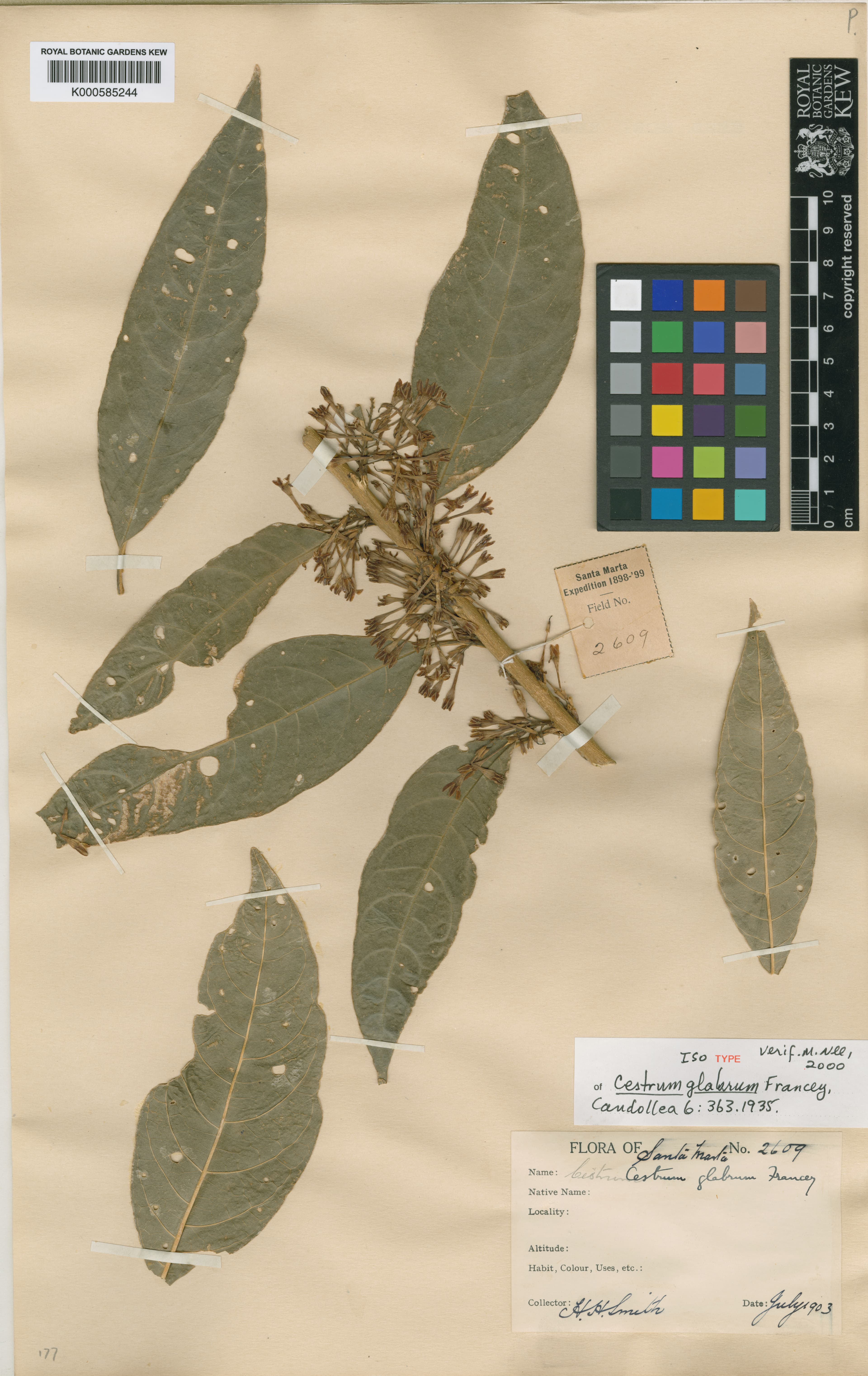
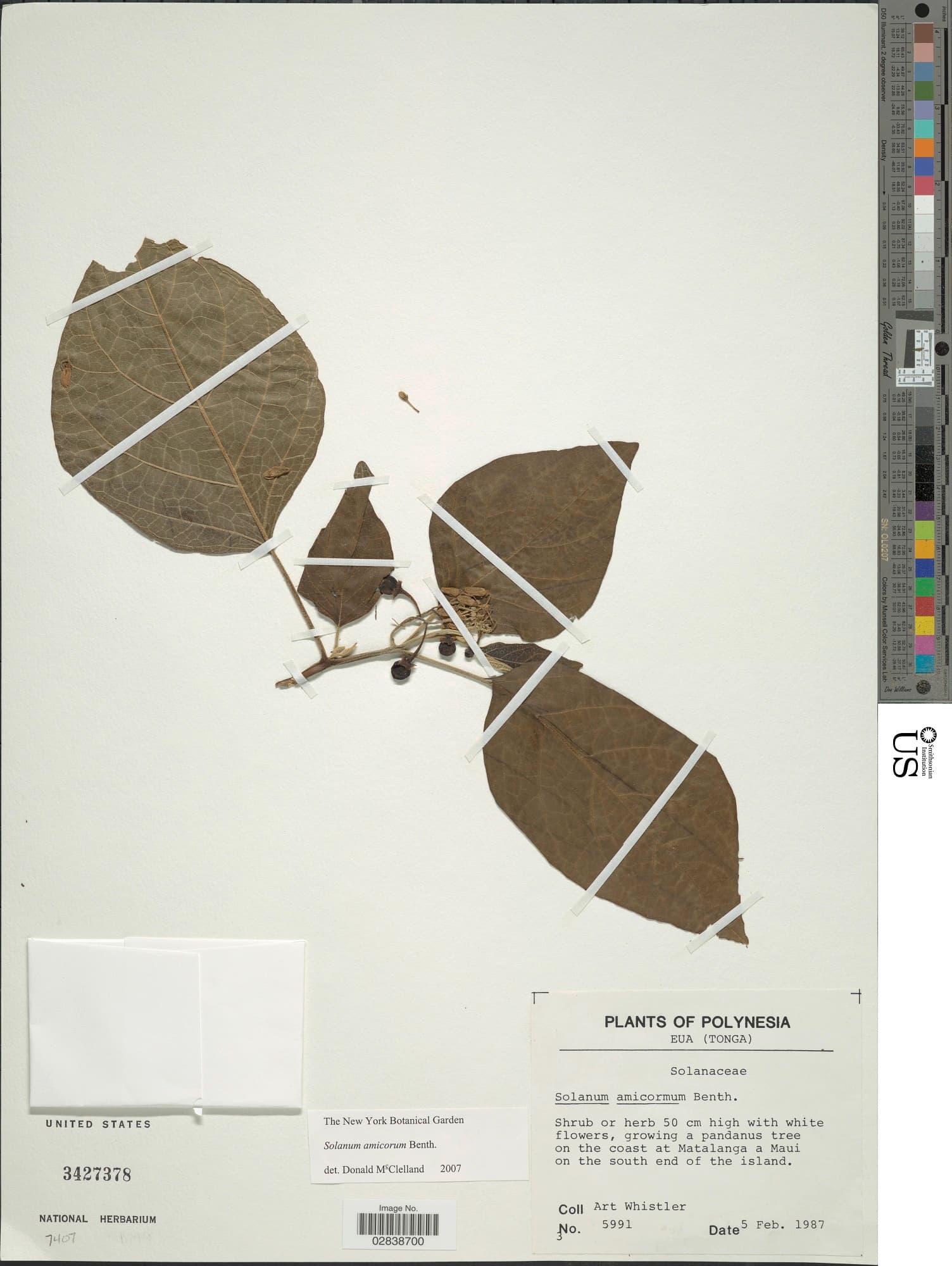
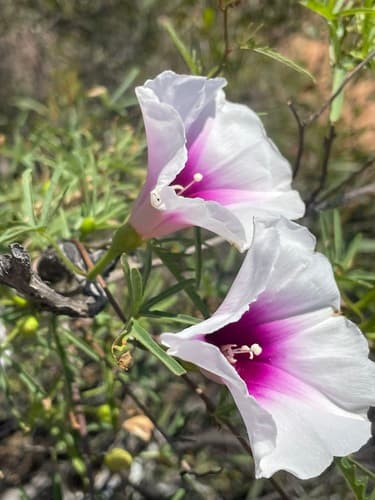
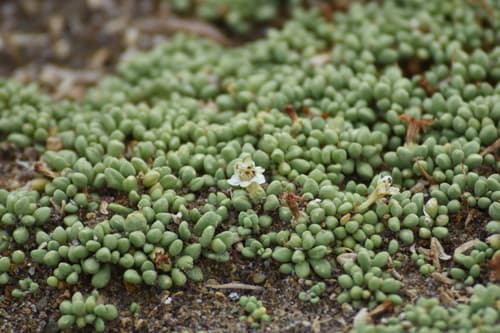
Lycium humile is a low-growing, often prostrate or decumbent shrub forming dense mats. It features small, succulent, obovate to spatulate leaves and tiny, solitary or paired whitish to pale yellow flowers. The plant produces small, globose red or orange berries.