Camonea pilosa
NameCamonea pilosa
Scientific NameCamonea pilosa
Common NamesHairy Morning Glory, Pilose Morning Glory
Plant FamilyConvolvulaceae
Natural HabitatThis plant is native to tropical and subtropical regions of Asia, Africa, and Australia. It commonly thrives in disturbed areas, roadsides, forest margins, grasslands, and cultivated fields, often considered a weed.
Parts Usedleaf,root,whole_plant
Medicinal Actionspurgative, anti-inflammatory, antimicrobial
Traditional UsesTraditionally, various parts of Camonea pilosa have been used in some folk medicine systems. It is sometimes employed as a purgative due to its resin glycoside content. External applications, often as poultices, have been noted for skin conditions, wounds, and to reduce inflammation.
Active Constituentsresin glycosides, flavonoids, phenolic compounds
Preparation Methodsinfusion, decoction, poultice
Contraindications & WarningsDue to its potential purgative effects, Camonea pilosa should be used with caution, especially by pregnant or breastfeeding women, young children, and individuals with gastrointestinal disorders or dehydration. Consultation with a healthcare professional is advised.
Cultivation NotesCamonea pilosa is a vigorous climber that prefers full sun to partial shade and well-drained soil. It is relatively easy to grow in warm climates and can spread rapidly, often self-seeding. It can be propagated by seed or stem cuttings.
Raritycommon
Description
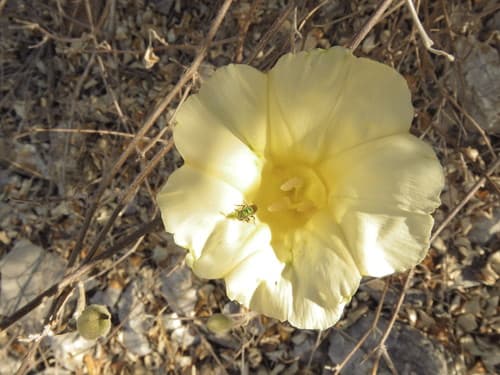
Camonea pilosa is a herbaceous climbing vine characterized by its hairy stems and heart-shaped to ovate leaves. It produces distinctive trumpet-shaped flowers, typically white or cream with a yellowish throat, often appearing in clusters.