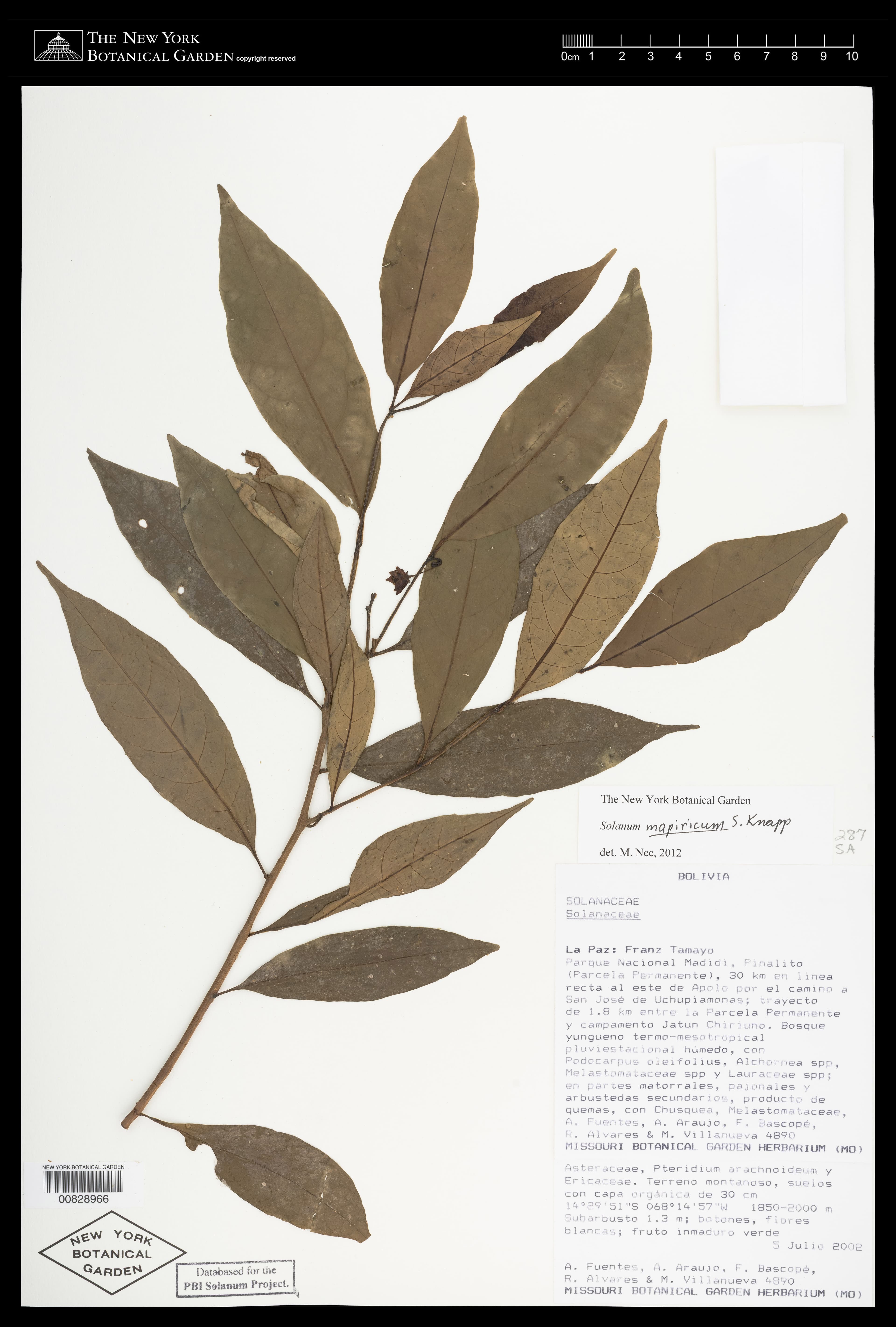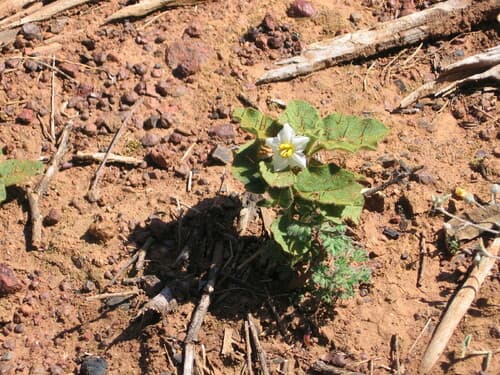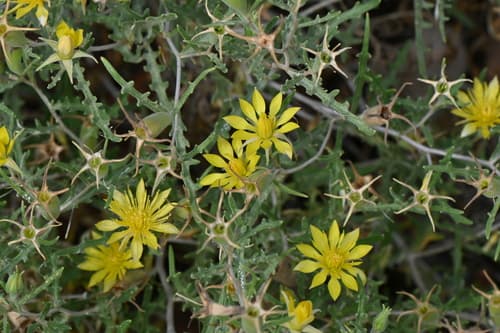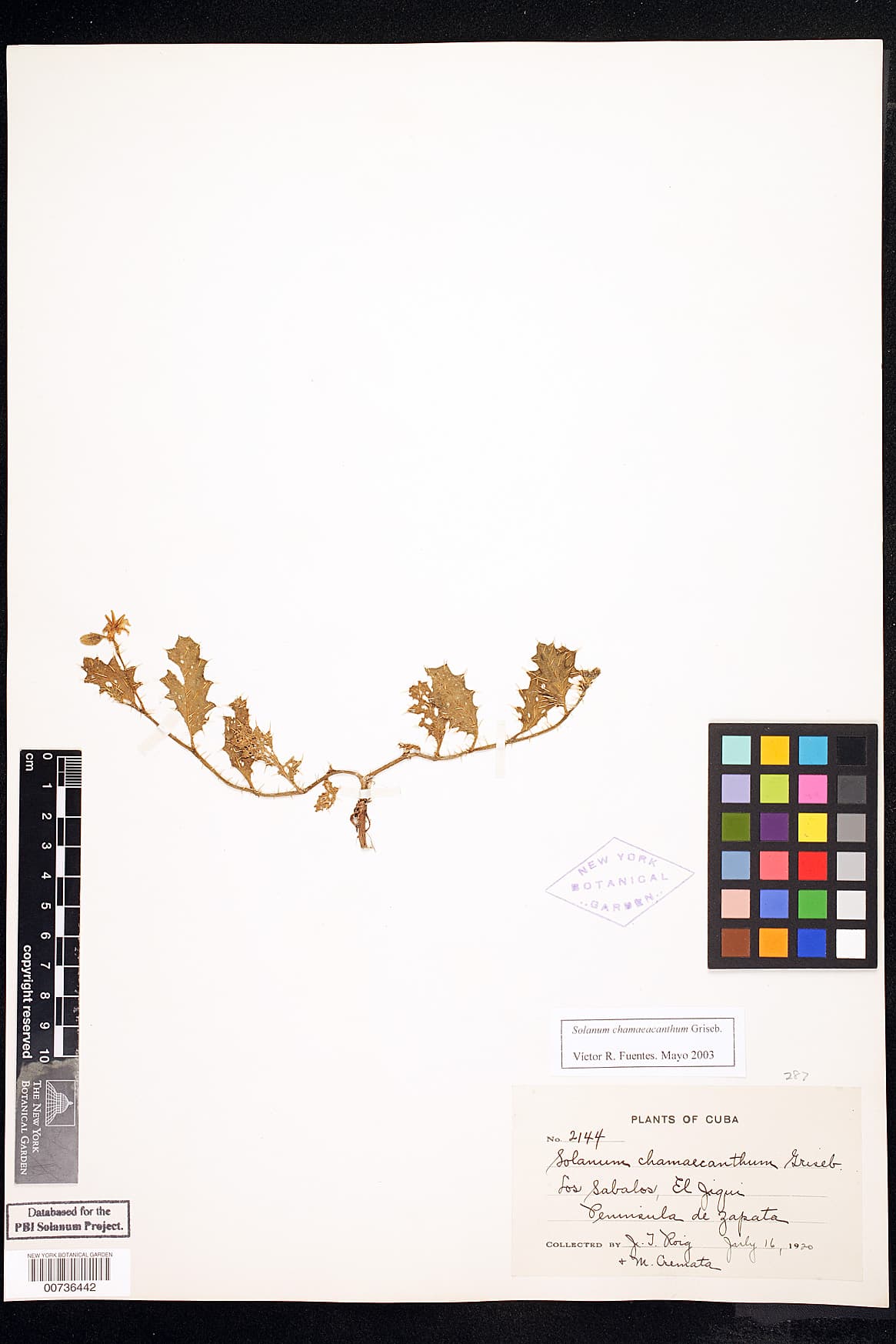
Solanum chamaeacanthum
Image: The New York Botanical Garden (cc-by)
NameSolanum chamaeacanthum
Scientific NameSolanum chamaeacanthum Griseb.
Common NamesEspuela de gallo
Plant FamilySolanaceae
Natural HabitatNative to the Caribbean region, including Cuba, Hispaniola, and Puerto Rico, it commonly grows in disturbed areas such as pastures, roadsides, and open woodlands, thriving in tropical to subtropical climates.
Parts Usedleaf,fruit
Medicinal Actionsanti-inflammatory, antimicrobial
Traditional UsesSpecific traditional medicinal uses for Solanum chamaeacanthum are not widely documented in mainstream ethnobotanical literature. However, within the broader Solanum genus, some species are traditionally used externally for skin conditions or internally with extreme caution for various ailments, often due to the presence of steroidal glycoalkaloids. Any internal use of this species would be highly risky due to potential toxicity.
Active ConstituentsSteroidal glycoalkaloids
Preparation Methodspoultice, decoction
Contraindications & WarningsAs with many species in the Solanum genus, Solanum chamaeacanthum is likely toxic due to the presence of steroidal glycoalkaloids. Internal use is strongly discouraged and potentially dangerous. It should be avoided by pregnant or nursing individuals, children, and those with pre-existing health conditions. Consult a qualified healthcare professional before any use.
Cultivation NotesOften considered a weed in its native range, Solanum chamaeacanthum is relatively easy to grow in tropical and subtropical climates. It prefers full sun to partial shade and well-drained soils, tolerating a range of soil types.
Raritycommon
Description
Solanum chamaeacanthum is a thorny, herbaceous plant characterized by its deeply lobed leaves and often stellate hairs. It produces small flowers, typically followed by berries, and is known for its prickly stems and foliage.