Calycobolus acuminatus
NameCalycobolus acuminatus
Scientific NameCalycobolus acuminatus
Common NamesNone widely recognized in English
Plant FamilyConvolvulaceae
Natural HabitatNative to tropical Africa, typically found in rainforests, gallery forests, and disturbed forest margins. It thrives in warm, humid environments.
Parts Usedleaf,bark,root
Medicinal Actionsanalgesic, anti-inflammatory
Traditional UsesTraditionally, various parts of Calycobolus acuminatus are used in some African communities to alleviate pain, reduce inflammation, and treat fevers. It may also be employed for certain skin conditions.
Active Constituentsflavonoids, triterpenes, alkaloids
Preparation Methodsinfusion, decoction, poultice
Contraindications & WarningsDue to limited scientific research and documentation, specific contraindications for Calycobolus acuminatus are not well-established. It should be used with caution, especially during pregnancy or lactation, and under the guidance of a qualified healthcare professional.
Cultivation NotesRequires a tropical climate with high humidity and warm temperatures. Prefers well-drained, fertile soil and needs substantial support for its vigorous climbing habit. Propagation can be achieved from seeds or stem cuttings.
Rarityuncommon
Description
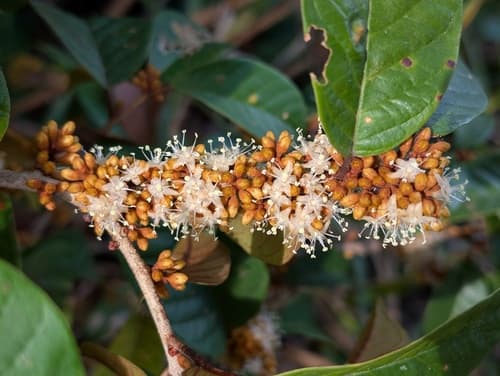
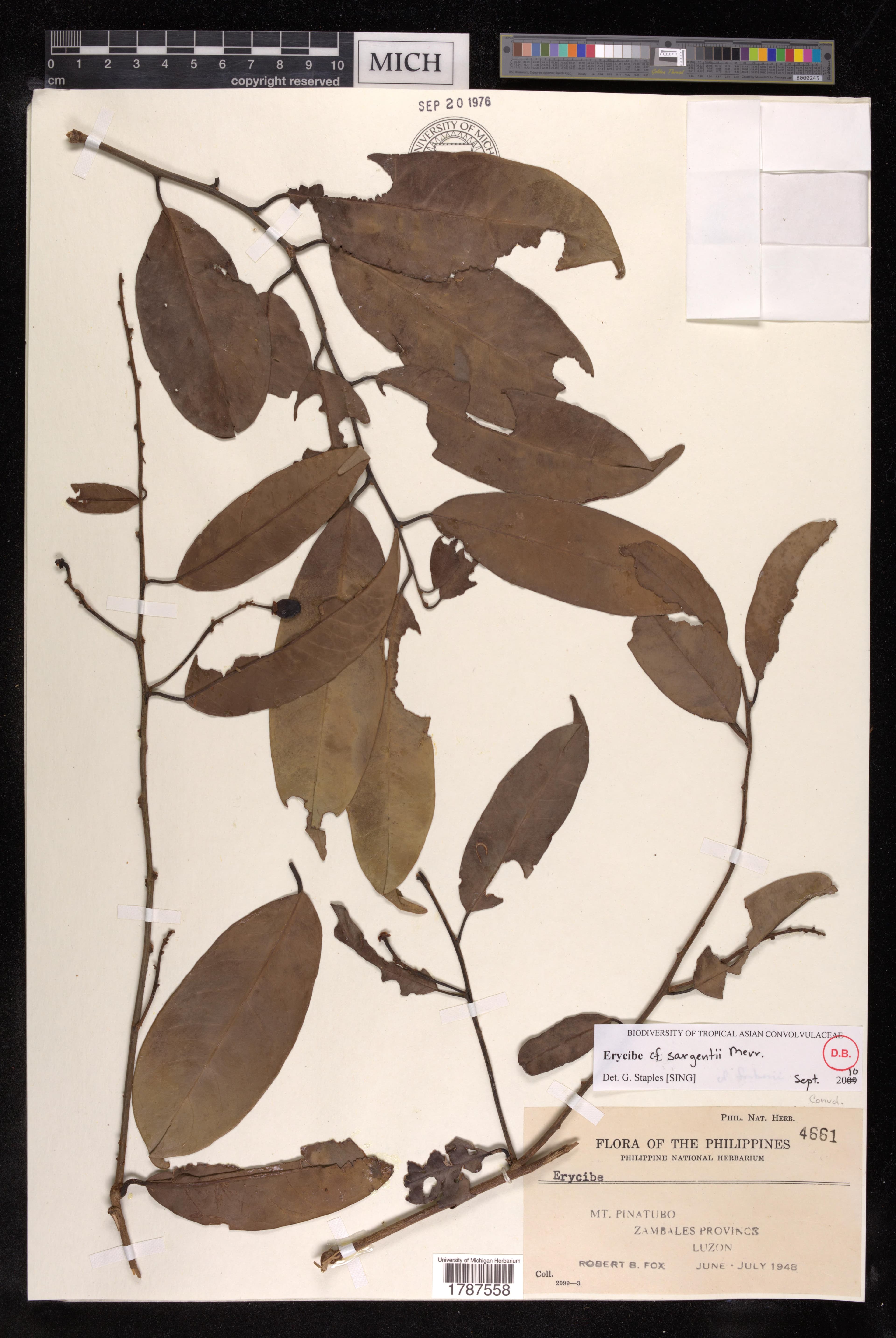
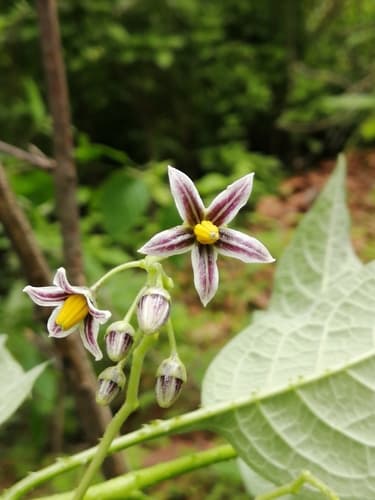
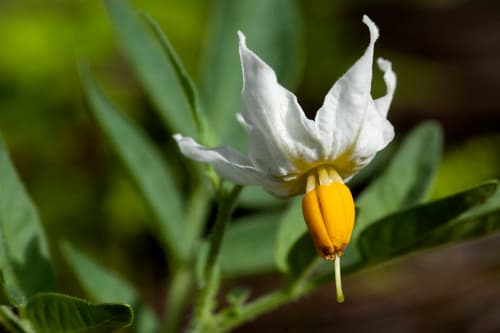
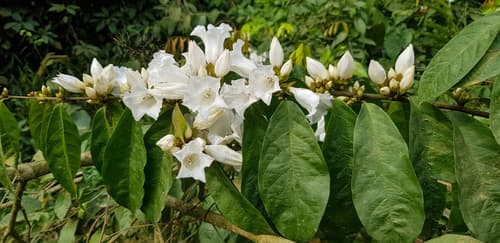
A woody climbing plant or liana, characterized by large, simple, ovate to elliptic leaves with prominent venation. It produces clusters of showy white, bell-shaped flowers with five distinct lobes, often appearing in axillary or terminal inflorescences.