Calamint
Image: Kurt Stüber [1] (CC BY-SA 3.0)
NameCalamint
Scientific NameCalamintha nepeta nepeta
Common NamesCalamint, Lesser Calamint, Basil Thyme
Plant FamilyLamiaceae
Natural HabitatNative to Europe, North Africa, and parts of Asia, Calamint thrives in dry, sunny locations such as meadows, rocky slopes, open woodlands, and disturbed ground. It prefers well-drained, often calcareous soils and is tolerant of drought conditions.
Parts Usedleaf,flower,whole_plant
Medicinal Actionscarminative, expectorant, nervine, antimicrobial, anti-inflammatory
Traditional UsesTraditionally, Calamint has been used as a digestive aid to alleviate symptoms of indigestion, bloating, and flatulence. It has also been employed for respiratory complaints such as colds, coughs, and mild fevers due to its expectorant properties, and as a mild nervine to soothe anxiety and promote relaxation.
Active ConstituentsPulegone, Menthone, Piperitone, Isomenthone, Limonene
Preparation Methodsinfusion, tincture, essential oil, powder
Contraindications & WarningsAvoid during pregnancy and lactation due to the presence of pulegone, which can be abortifacient in high doses. Use with caution in individuals with liver conditions or those taking medications that affect liver function.
Cultivation NotesCalamint is an easy-to-grow perennial that prefers full sun to partial shade and well-drained soil. It is drought-tolerant once established and can be propagated by seed, cuttings, or division. Regular pruning encourages bushier growth and more abundant flowering.
Raritycommon
Description
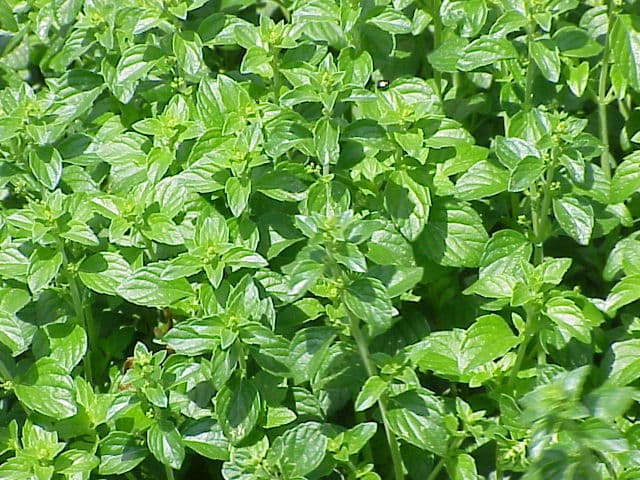
Calamint is a bushy, herbaceous perennial characterized by small, ovate to rounded, slightly hairy, aromatic leaves. It produces delicate, pale lavender to white flowers arranged in whorls along its stems, typically blooming from summer into fall. The plant emits a pleasant minty-lemon fragrance when its foliage is crushed.