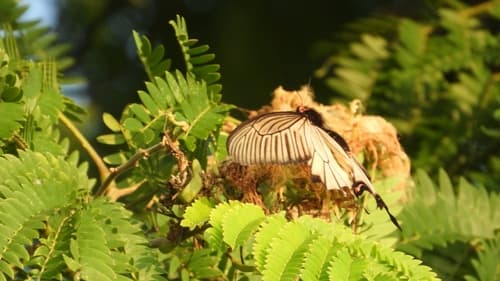
Byasa daemonius
NameByasa daemonius
Scientific NameAlbizia julibrissin
Common NamesSilk Tree, Mimosa Tree, Persian Silk Tree, Pink Siris
Plant FamilyFabaceae
Natural HabitatNative to Asia, ranging from Iran to Japan, it thrives in temperate to subtropical climates. Often found in open woodlands, roadsides, and disturbed areas, it is also widely cultivated globally.
Parts Usedbark,flower,leaf
Medicinal Actionsnervine, sedative, adaptogen, anti-inflammatory
Traditional UsesIn Traditional Chinese Medicine (TCM), the bark (He Huan Pi) and flowers (He Huan Hua) are primarily used to calm the spirit, alleviate symptoms of depression, anxiety, and insomnia. It is also traditionally applied for pain relief, swelling, and promoting blood circulation.
Active Constituentssaponins, flavonoids, triterpenoids, polyphenols
Preparation Methodsdecoction, infusion, tincture, powder
Contraindications & WarningsNot recommended for pregnant or breastfeeding women. May interact with sedative medications. Use with caution in individuals with spleen or stomach deficiency, as per TCM principles.
Cultivation NotesPrefers full sun exposure and well-drained soil, tolerating a range of soil types and drought once established. Can be considered invasive in some non-native regions due to its prolific seeding and rapid growth.
Raritycommon
Description
This deciduous tree is characterized by its delicate, fern-like bipinnately compound leaves and fragrant, fluffy pink flowers. It is widely recognized for its ornamental value and traditional medicinal uses, particularly in Asian herbal traditions.