Butterfly Bush
NameButterfly Bush
Scientific NameBuddleja davidii
Common NamesButterfly Bush, Summer Lilac, Mi Meng Hua
Plant FamilyPlantaginaceae
Natural HabitatNative to central China, Buddleja davidii thrives in temperate climates. It is widely cultivated globally and has naturalized in many regions, often found in disturbed areas, roadsides, and waste ground.
Parts Usedflower,leaf
Medicinal Actionsastringent, anti-inflammatory, antioxidant
Traditional UsesIn traditional Chinese medicine (TCM), the dried flowers of Buddleja davidii (known as Mi Meng Hua) are primarily used to treat various eye conditions, including conjunctivitis, blurred vision, and photophobia. It is also traditionally employed for its mild astringent and anti-inflammatory properties.
Active Constituentsflavonoids, iridoid glycosides, phenylpropanoid glycosides
Preparation Methodsinfusion, poultice, powder
Contraindications & WarningsGenerally considered safe, but extensive human studies are limited. Allergic reactions are possible in sensitive individuals. As with any herbal remedy, consultation with a healthcare professional is advised, especially for pregnant or nursing individuals, or those with pre-existing medical conditions.
Cultivation NotesBuddleja davidii is easy to grow, preferring full sun and well-drained soil. It is drought-tolerant once established and benefits from heavy pruning in early spring to encourage vigorous growth and abundant flowering. It can be invasive in some regions, so local regulations should be checked.
Raritycommon
Description
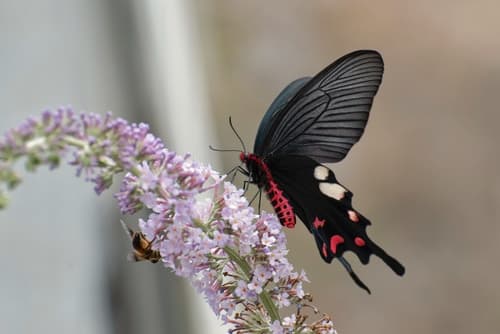
Buddleja davidii is a fast-growing, deciduous shrub characterized by its arching branches, lanceolate leaves, and long, conical panicles of small, fragrant flowers, typically purple, pink, or white. It is highly attractive to butterflies and bees, hence its common name.