Burdock
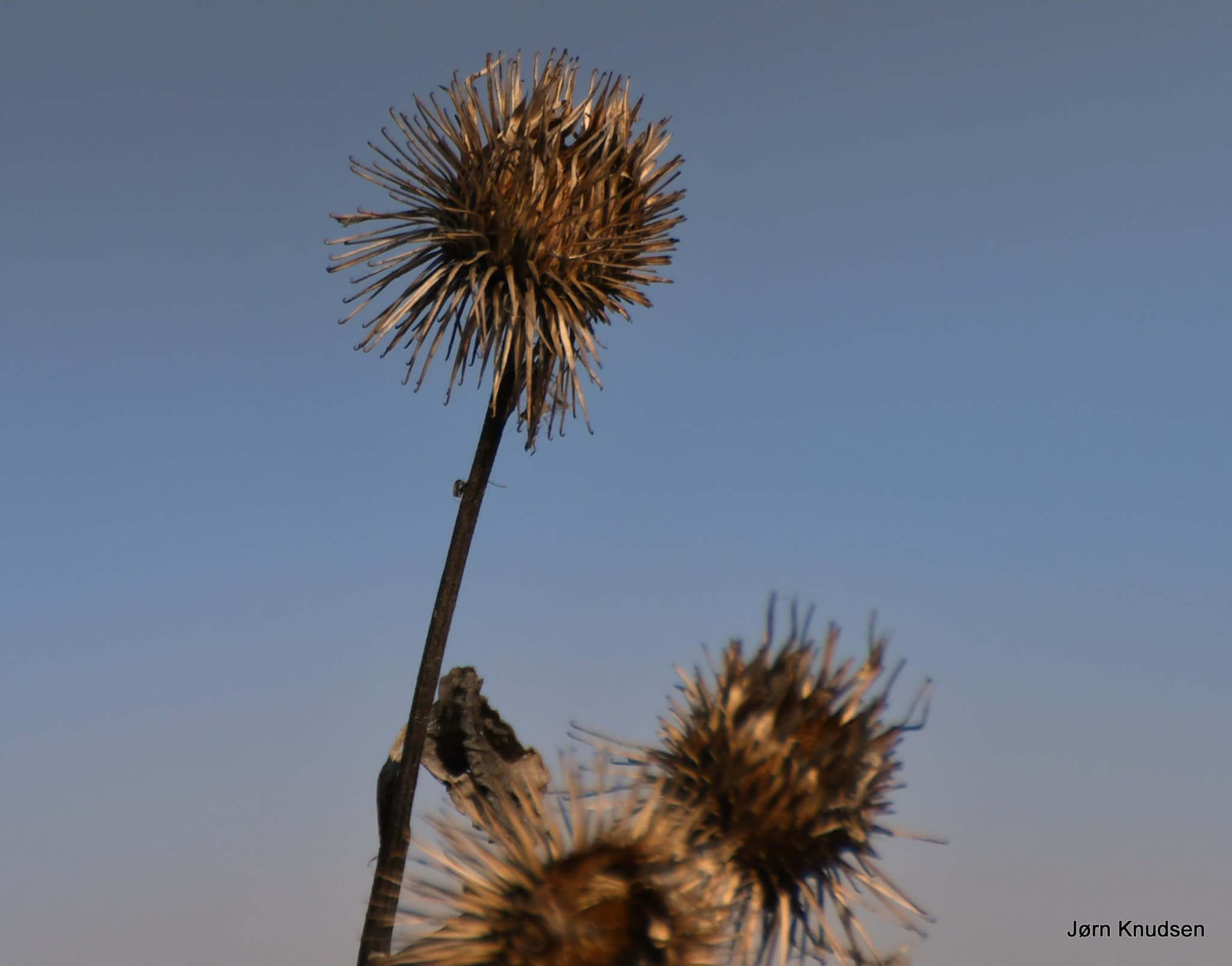
Image: Jørn Knudsen 5800 (cc-by)
NameBurdock
Scientific NameArctium lappa
Common NamesGreat Burdock, Edible Burdock, Lappa, Gobo
Plant FamilyAsteraceae
Natural HabitatNative to Europe and Asia, Burdock thrives in disturbed soils, roadsides, fields, waste areas, and forest edges. It prefers full sun to partial shade and moist, well-drained, nitrogen-rich soil.
Parts Usedroot,leaf,seed
Medicinal Actionsanti-inflammatory, antimicrobial, antioxidant, diuretic, astringent, adaptogen
Traditional UsesTraditionally, Burdock root is highly valued as a blood purifier and detoxifier, often used to support liver and kidney function. It is widely employed for various skin conditions such as acne, eczema, and psoriasis, and the seeds are sometimes used for their diuretic properties. The root is also consumed as a nutritious vegetable, particularly in Asian cuisine.
Active ConstituentsInulin, arctigenin, arctiin, lignans, polyacetylenes, mucilage, tannins, essential oils
Preparation Methodsdecoction, infusion, tincture, powder, salve
Contraindications & WarningsIndividuals allergic to plants in the Asteraceae family (like ragweed, daisies, chrysanthemums) should avoid Burdock. It may interact with blood-thinning medications or diabetic medications due to its potential to lower blood sugar. Not recommended for pregnant or breastfeeding women without professional medical advice.
Cultivation NotesBurdock grows best in deep, loose, well-drained soil in full sun to partial shade. Seeds can be sown in spring or fall. The taproot, which is the primary medicinal part, is best harvested in the first year before the plant flowers and becomes woody.
Raritycommon
Description
Burdock is a robust biennial plant characterized by large, wavy basal leaves and tall flower stalks in its second year. It produces distinctive purple, thistle-like flowers that mature into spiky, hook-covered burrs, as seen in the image, which readily attach to clothing and animal fur.