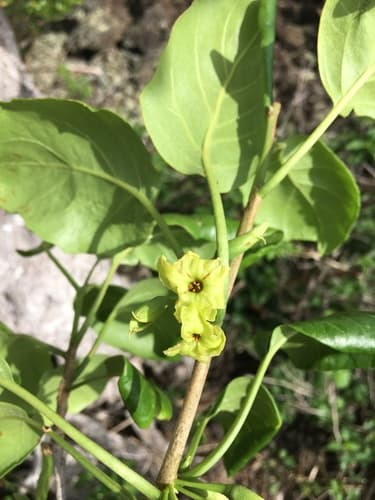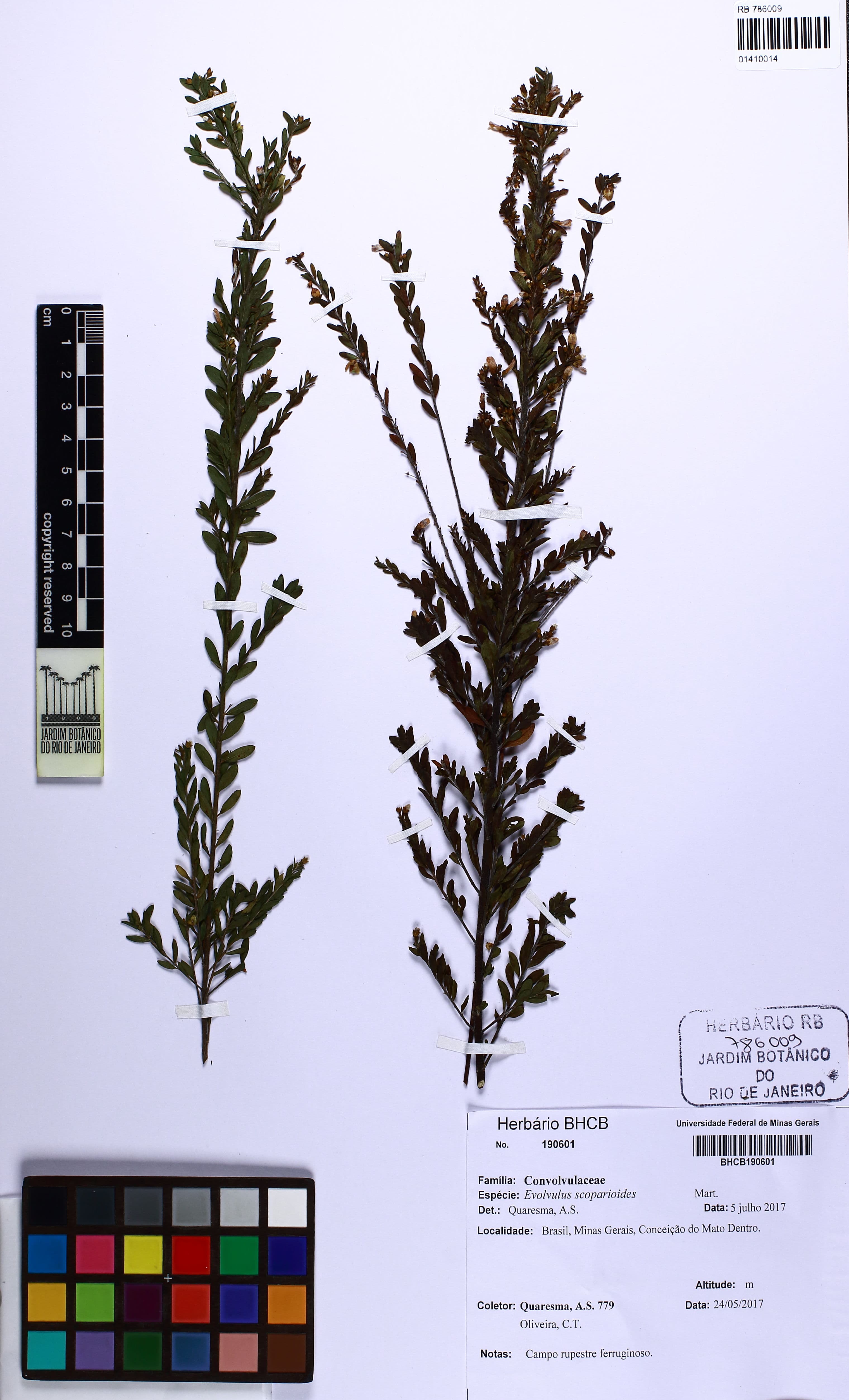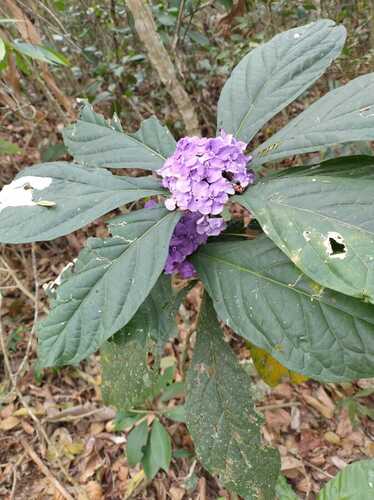
Brunfelsia hydrangeiformis
NameBrunfelsia hydrangeiformis
Scientific NameBrunfelsia hydrangeiformis
Common NamesManacá, Flor de Manacá
Plant FamilySolanaceae
Natural HabitatNative to the tropical and subtropical forests of South America, particularly Brazil, thriving in humid, forested environments and along forest edges.
Parts Usedroot,bark,leaf,flower
Medicinal Actionsanalgesic, anti-inflammatory, nervine, sedative
Traditional UsesTraditionally used by indigenous Amazonian communities as a purgative, emetic, and diaphoretic. It is also employed for treating fevers, rheumatism, syphilis, and as a powerful shamanic hallucinogen or ceremonial medicine.
Active ConstituentsBrunfelsamidine, Scopoletin, Manacine, Brunfelsine, Coumarins, Alkaloids
Preparation Methodsdecoction, infusion, tincture
Contraindications & WarningsAll parts of the plant are highly toxic and poisonous. Ingestion can cause severe nausea, vomiting, diarrhea, tremors, convulsions, and respiratory depression. Not recommended for internal use without expert medical supervision; contraindicated in pregnancy, lactation, children, and individuals with heart or neurological conditions.
Cultivation NotesPrefers warm, humid climates with well-drained, rich soil and partial shade to full sun. Can be propagated from seeds or cuttings.
Rarityuncommon
Description
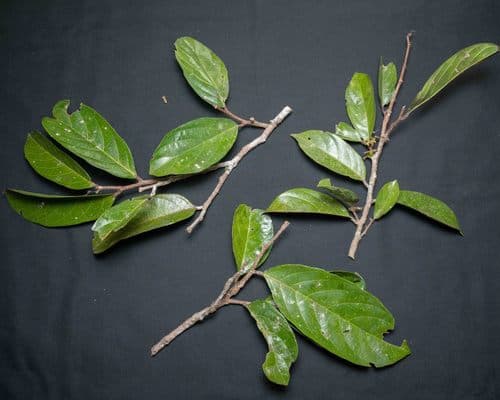
A tropical shrub or small tree characterized by large, dark green, ovate leaves. It produces striking clusters of vibrant purple, tubular flowers that resemble hydrangeas, often blooming profusely.