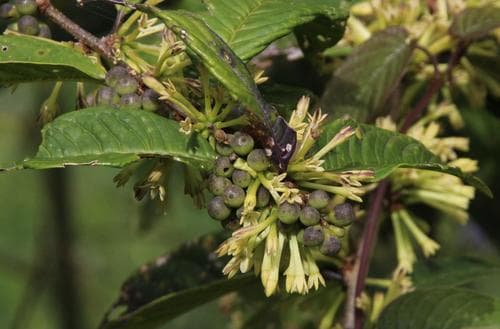
Brazilian Nightshade
NameBrazilian Nightshade
Scientific NameSolanum seaforthianum
Common NamesBrazilian Nightshade, St. Vincent Lilac, Glory Vine, Potato Creeper
Plant FamilySolanaceae
Natural HabitatNative to tropical regions of the Americas, it thrives in warm climates, often found in disturbed areas, forest edges, clearings, and cultivated as an ornamental. It has naturalized in many tropical and subtropical regions worldwide.
Parts Usedleaf
Medicinal Actionsanti-inflammatory, analgesic
Traditional UsesIn some traditional medicine systems, the leaves have been used externally as a poultice for skin inflammations, boils, or minor aches. However, all parts of the plant are considered toxic, and internal use is highly discouraged due to severe health risks.
Active Constituentssteroidal glycoalkaloids, solanine, solamargine, solasonine, sapogenins
Preparation Methodspoultice
Contraindications & WarningsALL parts of the plant are considered toxic, especially the berries. Internal consumption can cause severe gastrointestinal distress, neurological symptoms, and can be fatal. Avoid use by pregnant or breastfeeding women, children, and individuals with liver or kidney conditions. Even external use should be approached with extreme caution due to potential skin irritation or absorption, and only under expert guidance.
Cultivation NotesGrows best in full sun to partial shade with well-drained soil. It's a fast-growing vine that requires support for climbing. Tolerates a range of soil types but prefers fertile, moist conditions. Can be invasive in suitable climates.
Raritycommon
Description
A vigorous, perennial climbing vine characterized by delicate clusters of star-shaped, five-petaled purple flowers with prominent yellow anthers. It produces small, spherical red berries that are highly toxic.