Branching Dodder
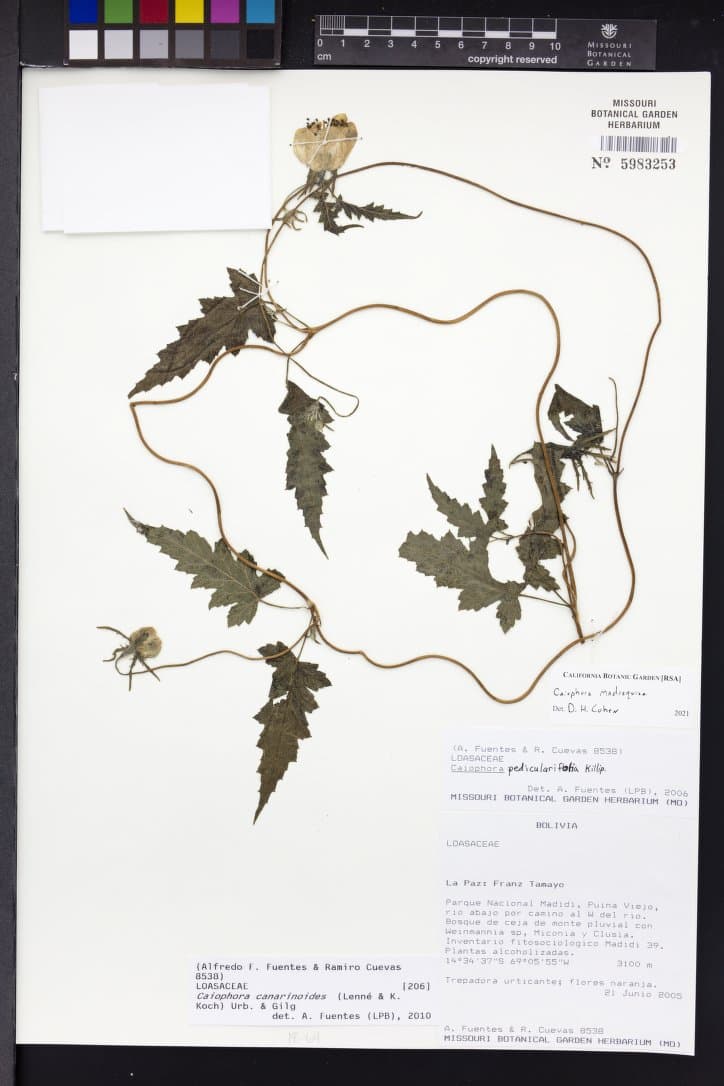
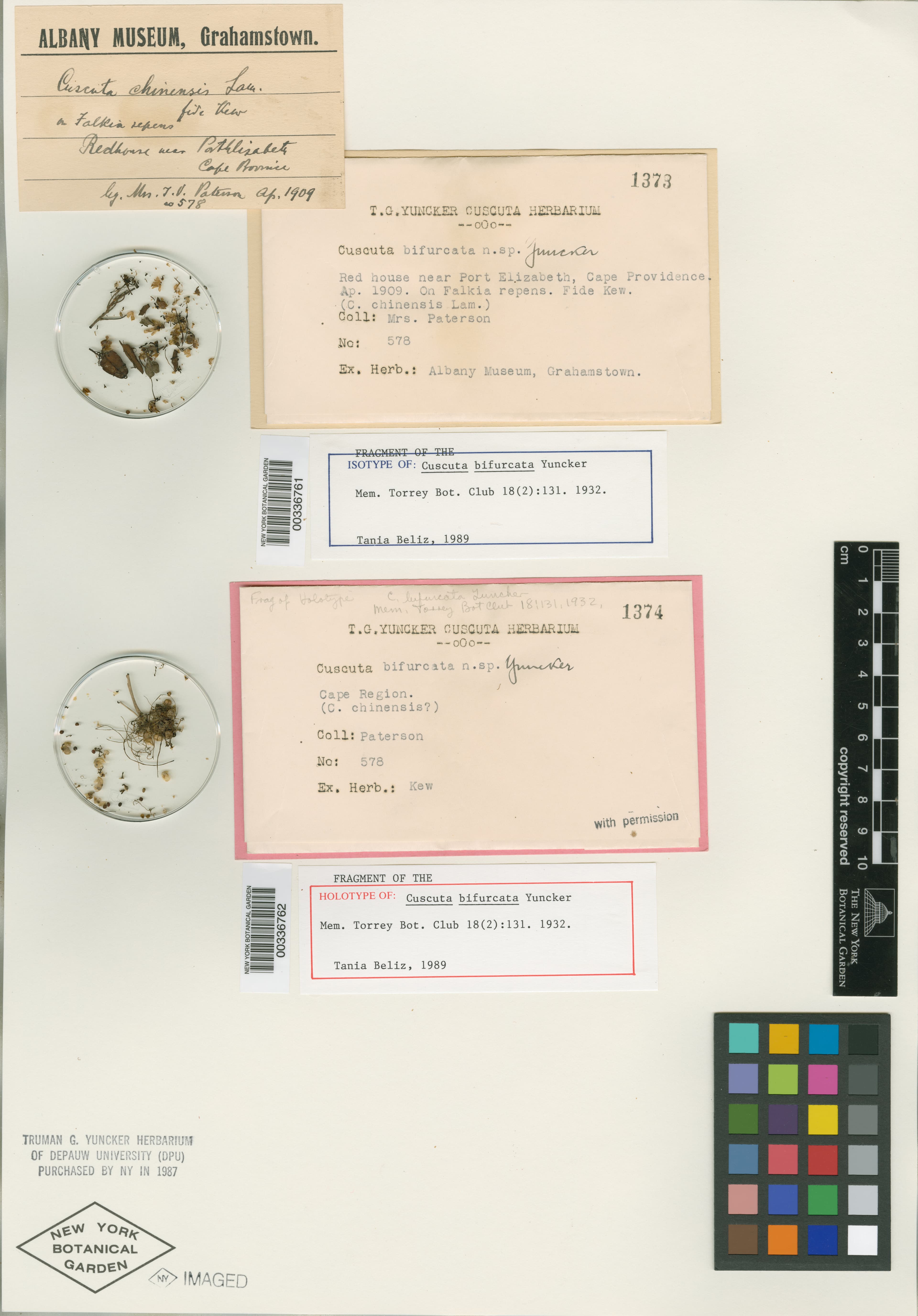
Image: The New York Botanical Garden (cc-by)
NameBranching Dodder
Scientific NameCuscuta bifurcata Yuncker
Common NamesBranching Dodder, Dodder
Plant FamilyConvolvulaceae
Natural HabitatFound parasitizing various herbaceous plants, often in coastal or disturbed areas. The specimen was collected near Port Elizabeth, Cape Province, South Africa, on Falkia repens.
Parts Usedwhole_plant,seed
Medicinal Actionsadaptogen, antioxidant, diuretic
Traditional UsesWhile specific traditional uses for Cuscuta bifurcata are not widely documented, other Cuscuta species (like C. chinensis and C. japonica) are valued in Traditional Chinese Medicine (TCM) as 'Tu Si Zi.' They are traditionally used to tonify the kidney and liver, improve vision, strengthen bones, and treat conditions like impotence, premature ejaculation, frequent urination, and blurred vision.
Active Constituentsflavonoids, lignans, polysaccharides
Preparation Methodsinfusion, decoction, powder, tincture
Contraindications & WarningsAvoid during pregnancy and lactation. May interact with medications that affect hormone levels or blood sugar. Consult a healthcare professional before use, especially for individuals with chronic conditions.
Cultivation NotesAs a parasitic plant, Cuscuta bifurcata cannot be cultivated independently. It requires a suitable host plant to germinate and grow, attaching via haustoria to extract nutrients. It is generally considered a weed in agricultural settings.
Raritycommon
Description
Cuscuta bifurcata is a parasitic annual plant characterized by its slender, yellowish-orange, branching stems that twine around host plants. It lacks true leaves and chlorophyll, absorbing nutrients via haustoria that penetrate the host's vascular system. Its small, white to pinkish flowers are typically clustered.