Border Ranges Nightshade
NameBorder Ranges Nightshade
Scientific NameSolanum semiarmatum
Common NamesBorder Ranges Nightshade, Spiny Nightshade
Plant FamilySolanaceae
Natural HabitatNative to eastern Australia, found in rainforest margins, wet sclerophyll forests, and disturbed areas, preferring moist, fertile soils.
Parts Usedleaf,flower,fruit
Medicinal Actionsanti-inflammatory, antimicrobial, antioxidant
Traditional UsesWhile Solanum semiarmatum is generally considered toxic due to glycoalkaloids, some related Solanum species have been traditionally used externally as poultices for skin conditions or internally in extremely small, controlled doses for inflammatory conditions, though with significant risk. Specific safe traditional uses for S. semiarmatum are not well-documented.
Active ConstituentsSteroidal glycoalkaloids (e.g., solanine, solamargine, solasonine), Flavonoids
Preparation Methodspoultice, salve, decoction
Contraindications & WarningsAll parts of Solanum semiarmatum are considered toxic. Ingestion can cause severe gastrointestinal upset, neurological symptoms, and can be fatal. It is strictly contraindicated in pregnancy, lactation, children, and individuals with liver, kidney, or gastrointestinal disorders. Avoid all internal use without expert medical supervision.
Cultivation NotesThis species is often considered a weed in its native range. It thrives in full sun to partial shade and moist, fertile soils, and can be propagated by seed.
Raritycommon
Description
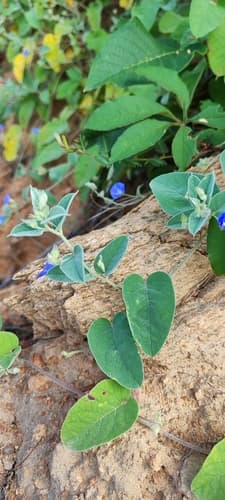
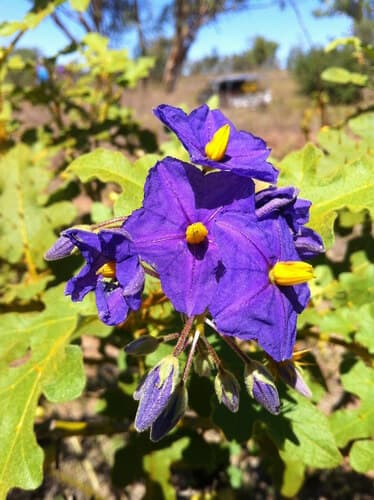
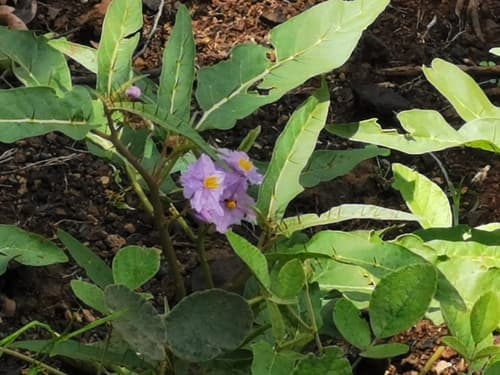
Solanum semiarmatum is a thorny, sprawling shrub or subshrub, typically growing up to 1-2 meters tall. It features ovate to lanceolate leaves, often lobed and spiny, and produces clusters of pale purple to white, star-shaped flowers with yellow centers.