Boggs Lake Dodder
NameBoggs Lake Dodder
Scientific NameCuscuta howelliana
Common NamesBoggs Lake Dodder
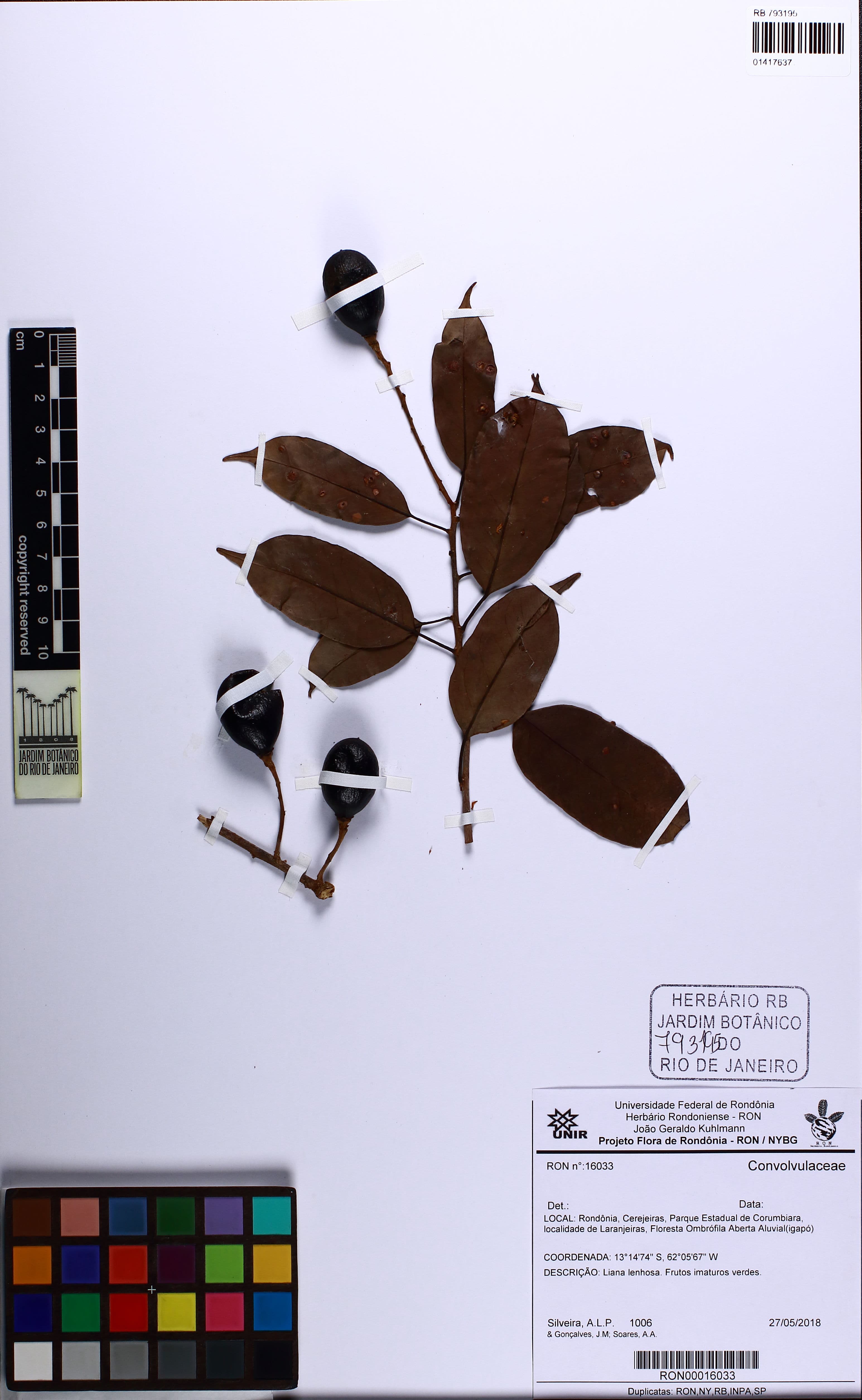
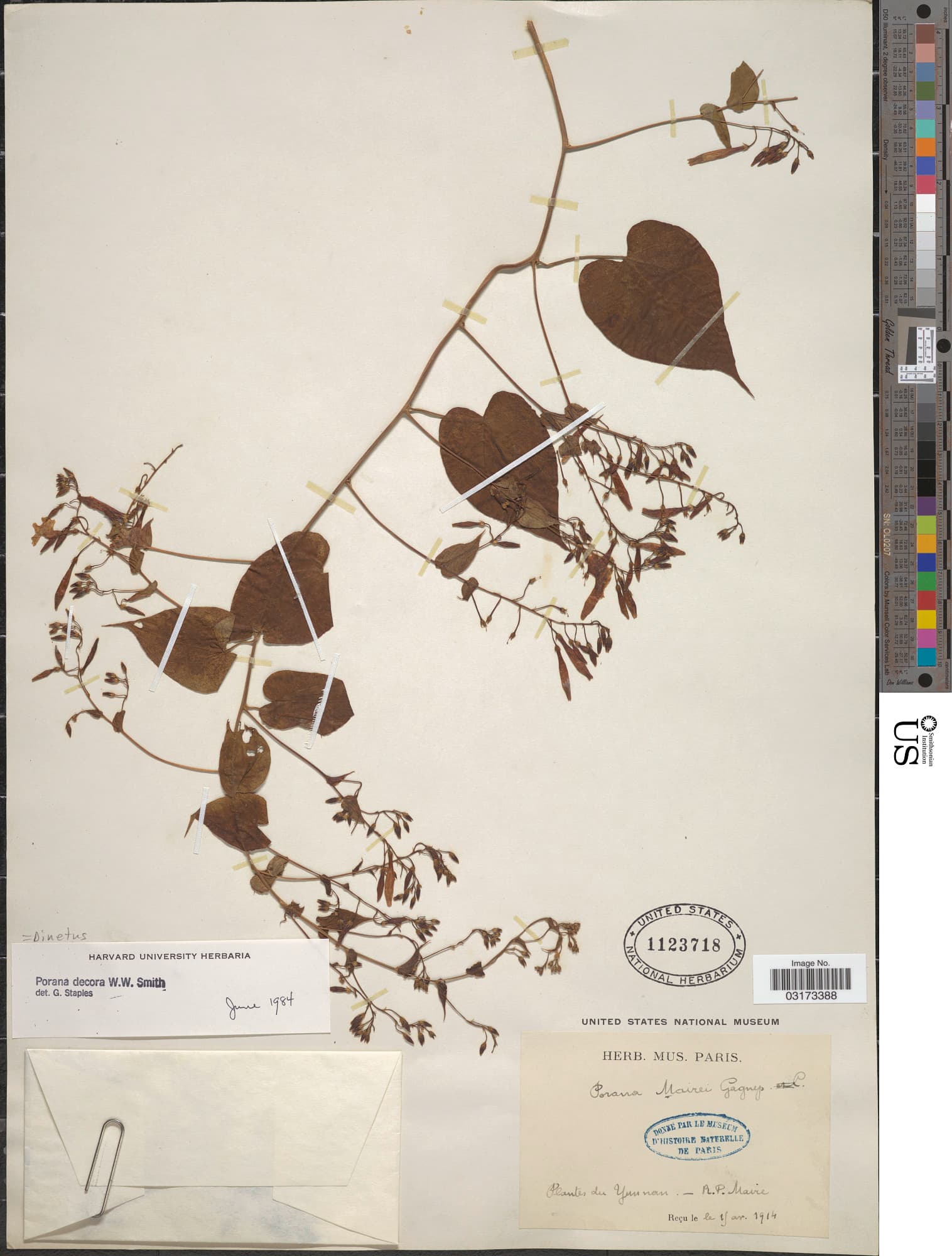
Plant FamilyConvolvulaceae
Natural HabitatEndemic to the vernal pools and seasonally wet margins of Boggs Lake in Lake County, California, where it parasitizes specific native host plants, often grasses or sedges.
Parts Usedwhole_plant
Medicinal Actionsantioxidant, anti-inflammatory, diuretic
Traditional UsesWhile Boggs Lake dodder itself is not traditionally used due to its extreme rarity and protected status, other *Cuscuta* species (like *C. chinensis*) are used in Traditional Chinese Medicine as a kidney and liver tonic, for impotence, premature ejaculation, frequent urination, and blurred vision. European dodders were historically used as purgatives and for liver complaints.
Active Constituentsflavonoids, lignans, polysaccharides
Preparation Methodsinfusion, decoction, powder
Contraindications & WarningsDue to its critically endangered status and extreme rarity, Boggs Lake dodder should never be harvested or used for medicinal purposes. General *Cuscuta* species may have contraindications for pregnancy, lactation, and specific medical conditions; consult a healthcare professional before use.
Cultivation NotesThis plant is a highly specialized obligate parasite requiring specific native host plants and the unique hydrological conditions of vernal pools. It is not cultivated for herbal use and any attempt to do so would be extremely challenging and ecologically irresponsible.
Rarityvery-rare
Description
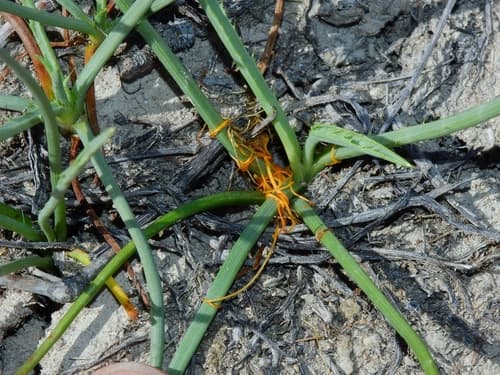
Boggs Lake dodder is a critically endangered annual parasitic plant characterized by its slender, orange, leafless stems that twine tightly around host plants. It lacks chlorophyll and obtains all nutrients via haustoria that penetrate the host's vascular system.