Bittersweet Nightshade
NameBittersweet Nightshade
Scientific NameSolanum alphonsi
Common NamesBittersweet Nightshade, Woody Nightshade, Climbing Nightshade, Felonwort
Plant FamilySolanaceae
Natural HabitatTypically found in damp, disturbed areas such as woodlands, hedgerows, stream banks, and waste ground, often thriving in partial shade. It is native to Europe and Asia but has naturalized in many other regions, including North America.
Parts Usedleaf,stem
Medicinal Actionsdiuretic, anti-inflammatory
Traditional UsesHistorically, the plant (specifically *Solanum dulcamara*) was used externally for skin conditions like eczema, psoriasis, and warts, and internally as a purgative, diuretic, and for rheumatism and gout. Due to its high toxicity, internal use is strongly discouraged and dangerous in modern herbalism.
Active ConstituentsSolanine, Solasodine, Soladulcidine, Dulcamarine, Saponins
Preparation Methodsdecoction, poultice
Contraindications & WarningsALL parts of this plant are highly toxic, especially the unripe berries. Ingestion can cause severe gastrointestinal upset, dizziness, convulsions, and can be fatal. It should never be used internally. External use requires extreme caution and is not recommended without expert guidance. Avoid during pregnancy and lactation.
Cultivation NotesA hardy and fast-growing vine that can tolerate a range of soil conditions, preferring moist, fertile soil and partial shade. It can become invasive in suitable environments, spreading rapidly by seeds and rhizomes.
Raritycommon
Description
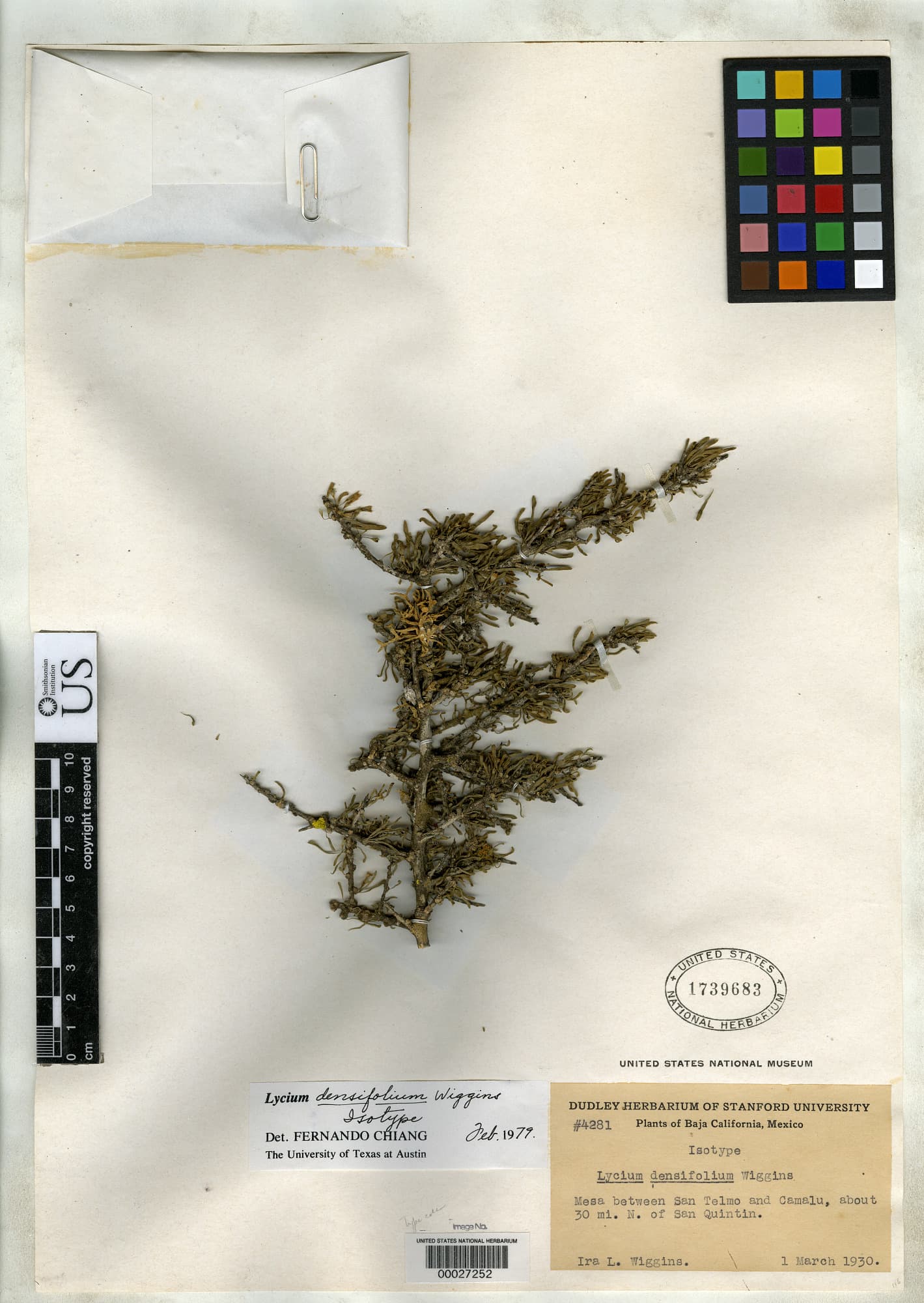
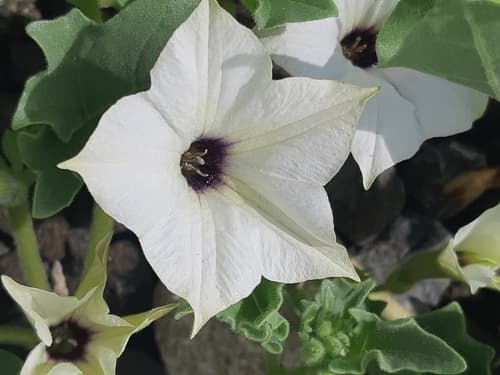
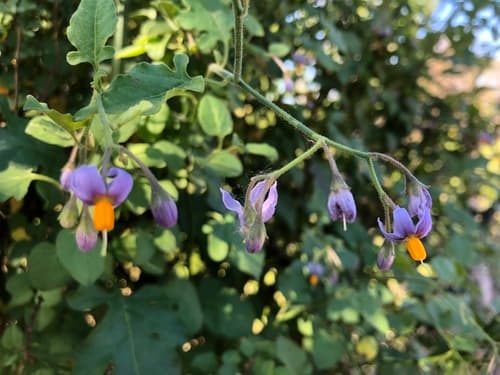
The plant in the image, identified as 'Solanum alphonsi' in the metadata, is visually consistent with *Solanum dulcamara* (Bittersweet Nightshade). It is a perennial woody vine or scrambling shrub, characterized by its lobed leaves and clusters of star-shaped purple flowers with prominent yellow anthers, followed by bright red berries.