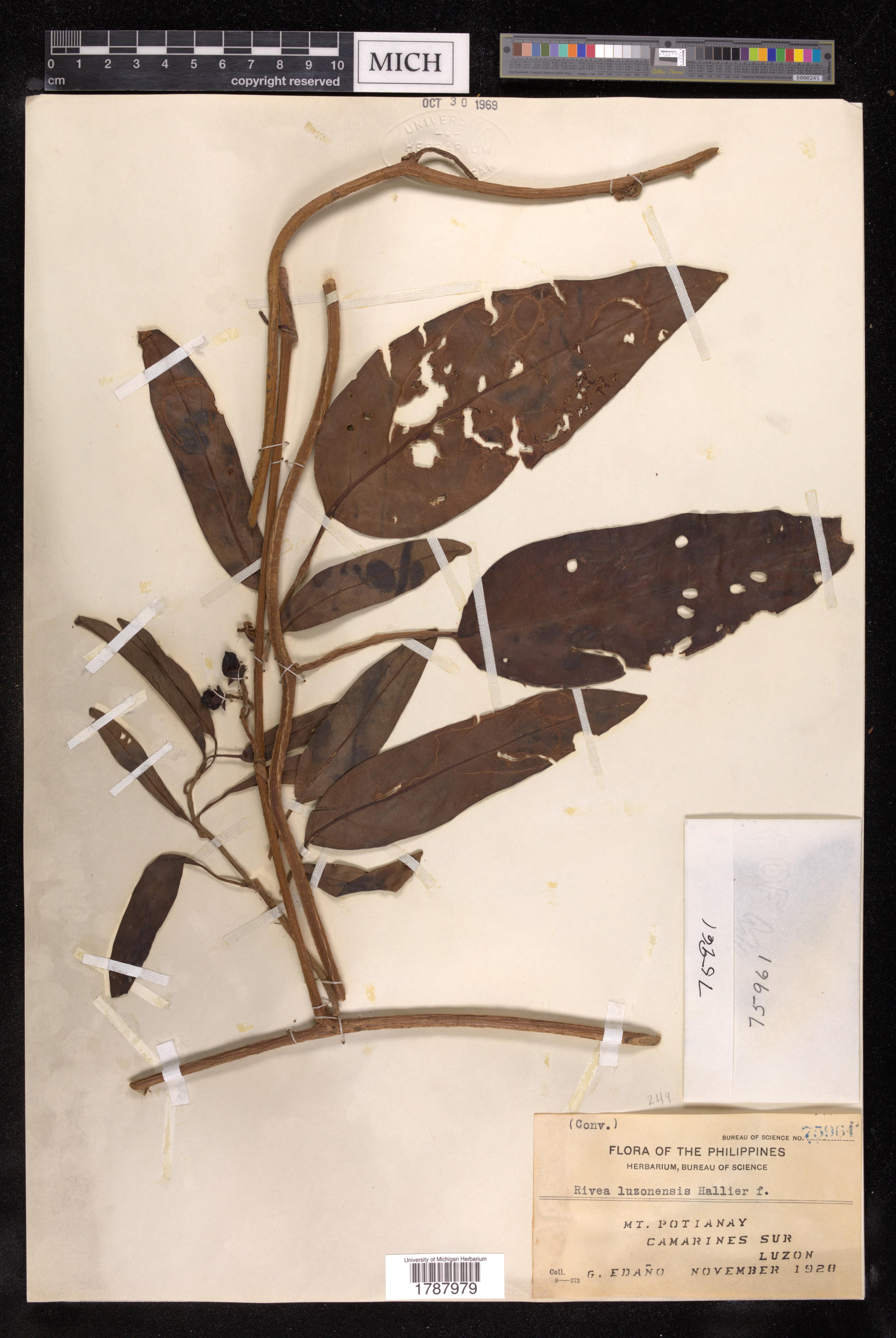
Bittersweet Nightshade
NameBittersweet Nightshade
Scientific NameSolanum dulcamara
Common NamesBittersweet Nightshade, Woody Nightshade, European Bittersweet, Fellenwort, Amara Dulcis
Plant FamilySolanaceae
Natural HabitatCommonly found in damp, disturbed areas, woodlands, hedgerows, stream banks, and waste ground. It thrives in moist, nitrogen-rich soils and partial shade.
Parts Usedleaf,stem
Medicinal Actionsdiuretic, anti-inflammatory
Traditional UsesHistorically, Bittersweet Nightshade was used externally for skin conditions such as eczema, warts, and fungal infections. Internally, it was used with extreme caution as a purgative and diuretic, and for chronic skin diseases, rheumatism, and asthma, but its high toxicity made it a dangerous remedy.
Active Constituentssolanine, solasodine, dulcamarine, saponins
Preparation Methodsdecoction, poultice
Contraindications & WarningsALL parts of the plant are poisonous, especially the unripe berries. Ingestion can cause nausea, vomiting, diarrhea, dizziness, convulsions, and even death. Not safe for internal use without expert medical supervision due to high toxicity. Avoid during pregnancy and lactation.
Cultivation NotesGrows readily from seed or cuttings. Prefers moist, fertile soil and can tolerate full sun to partial shade. It is considered an invasive weed in many regions.
Raritycommon
Description
A perennial woody vine or scrambling shrub, Bittersweet Nightshade features alternate, ovate to heart-shaped leaves, often with two small lobes at the base. Its distinctive purple, star-shaped flowers have prominent yellow anthers, followed by berries that ripen from green to yellow to bright red.