Birch
Image: Miroslav Stamenov (cc-by-nc)
NameBirch
Scientific NameBetula pendula
Common NamesSilver Birch, Warty Birch, European White Birch, Weeping Birch
Plant FamilyBetulaceae
Natural HabitatNative to Europe and parts of Asia, it thrives in moist, well-drained, acidic to neutral soils. It is commonly found in woodlands, open forests, clearings, and disturbed sites, tolerating a range of environmental conditions.
Parts Usedleaf,bark
Medicinal Actionsdiuretic, anti-inflammatory, antimicrobial, antioxidant, astringent
Traditional UsesTraditionally, birch leaves and bark have been used as a diuretic to support urinary tract health, aiding in the treatment of urinary tract infections, kidney stones, and edema. It is also applied externally for skin conditions like eczema and psoriasis, and internally for rheumatic pain and gout due to its anti-inflammatory properties.
Active ConstituentsFlavonoids, Triterpenes (e.g., betulin, betulinic acid), Phenolic acids, Tannins, Essential oils
Preparation Methodsinfusion, decoction, tincture, poultice, salve
Contraindications & WarningsIndividuals with severe heart or kidney disease should use birch preparations with caution due to its diuretic effects. Allergic reactions, particularly to birch pollen, are possible. It is generally advised to avoid use during pregnancy and breastfeeding without professional medical advice.
Cultivation NotesSilver Birch prefers full sun to partial shade and moist, well-drained, acidic to neutral soil. It is a fast-growing, hardy tree that tolerates a variety of conditions, including urban environments and colder climates.
Raritycommon
Description
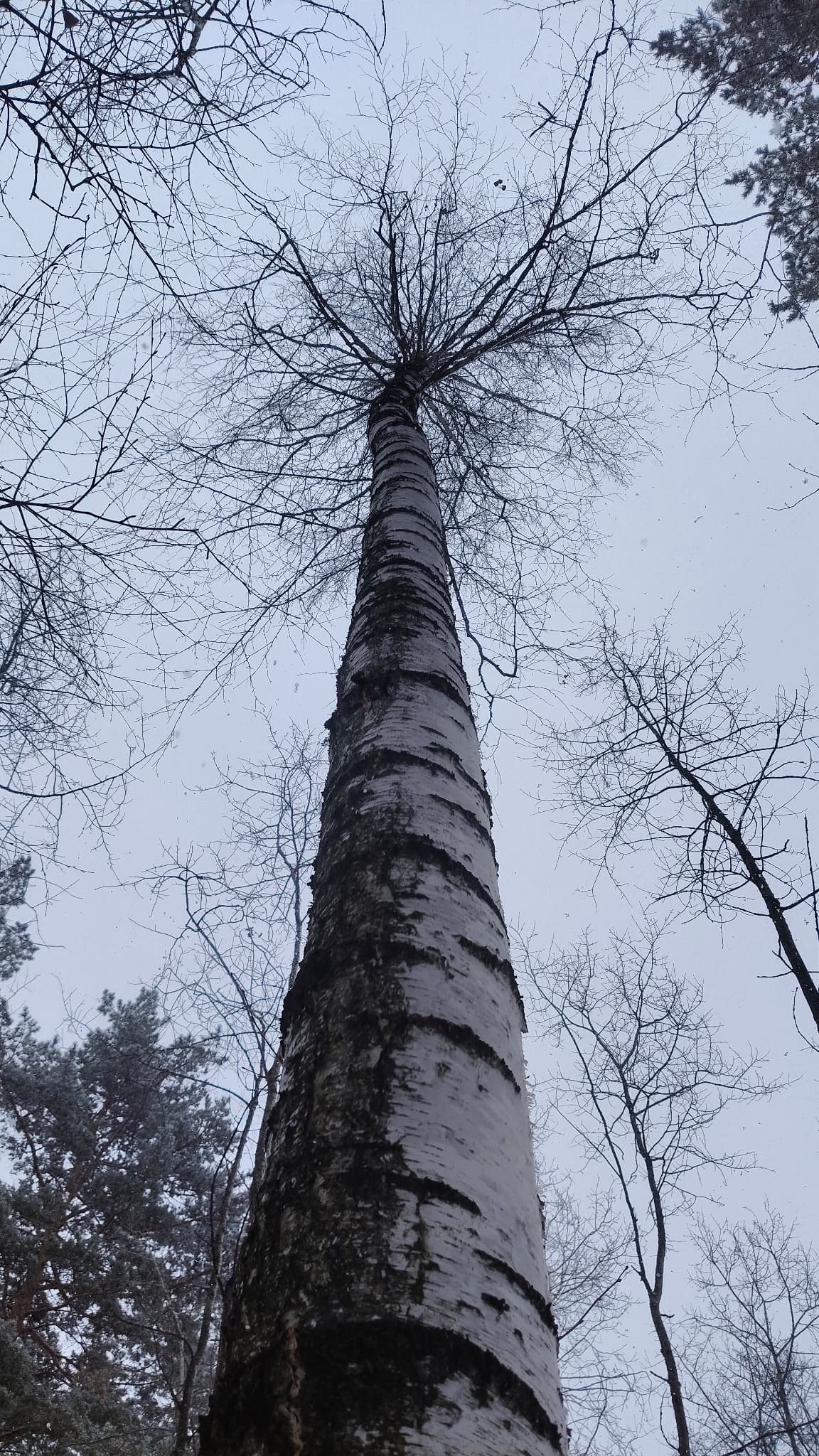
Betula pendula is a medium-sized deciduous tree known for its distinctive white, peeling bark on mature trunks and often pendulous branches. Its leaves are typically triangular-ovate with serrated margins, turning bright yellow in autumn.