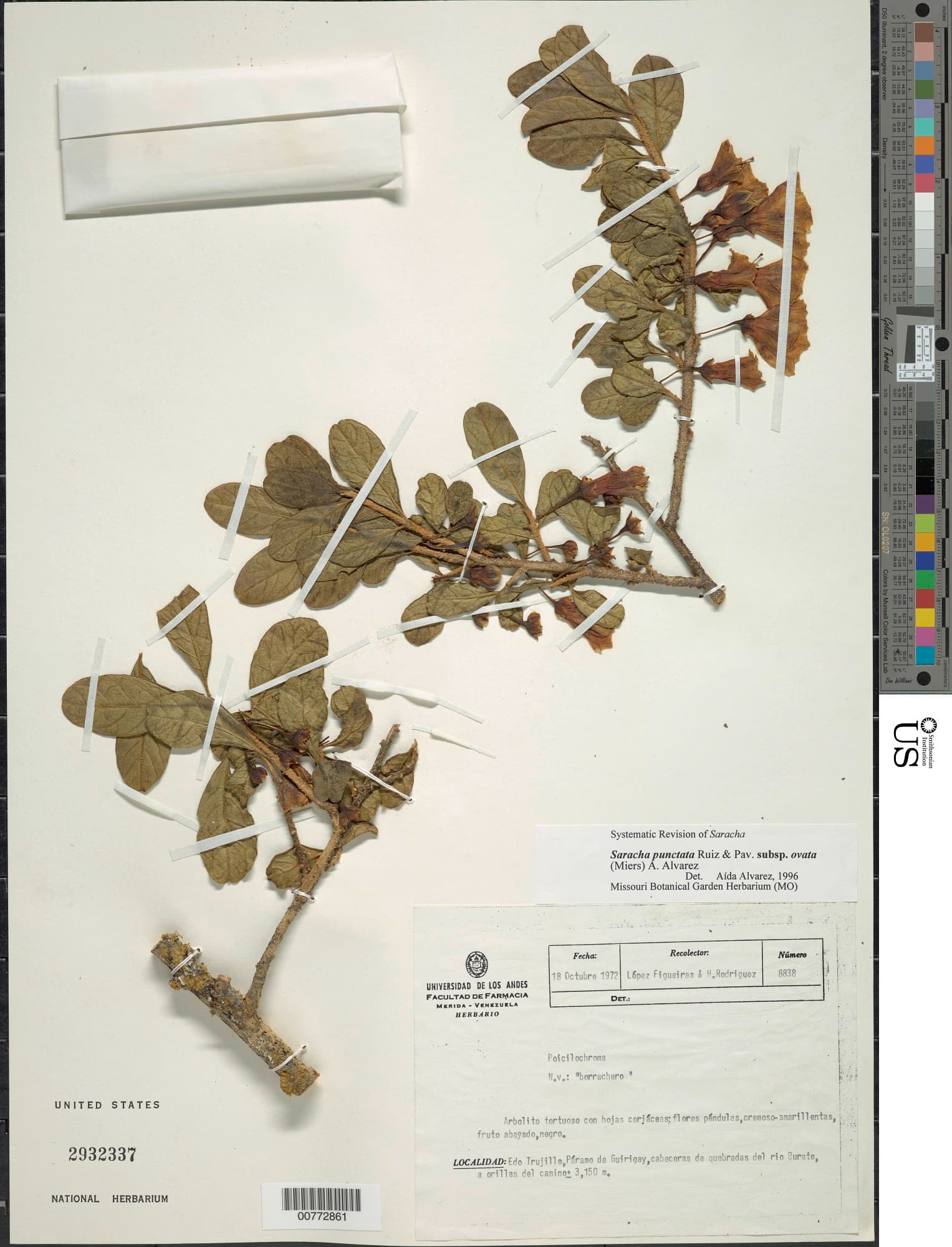
Billygoat-weed
NameBillygoat-weed
Scientific NameAgeratum conyzoides
Common NamesBillygoat-weed, Chickweed, Goatweed, White weed, Tropical whiteweed
Plant FamilyAsteraceae
Natural HabitatNative to Central and South America, but widely naturalized in tropical and subtropical regions worldwide. It thrives in disturbed areas, agricultural fields, roadsides, and open forests.
Parts Usedwhole_plant,leaf,flower
Medicinal Actionsanti-inflammatory, antimicrobial, analgesic, astringent
Traditional UsesTraditionally used for its anti-inflammatory properties, particularly for skin conditions, wounds, and bruises. It is also applied as an antimicrobial for infections, an analgesic for pain relief, and an astringent for minor bleeding. In some cultures, it's used internally for fever, colds, and digestive issues.
Active ConstituentsFlavonoids, Coumarins, Alkaloids (e.g., pyrrolizidine alkaloids), Essential oils (e.g., ageratochromene)
Preparation Methodsinfusion, decoction, poultice, powder
Contraindications & WarningsContains pyrrolizidine alkaloids which can be hepatotoxic with long-term internal use, especially in large doses. Not recommended for pregnant or breastfeeding women, or individuals with liver disease. External use is generally considered safer, but patch testing is advised.
Cultivation NotesA fast-growing annual that thrives in full sun to partial shade and a variety of soil types, preferring moist, well-drained conditions. It readily self-seeds and can become invasive in suitable climates, often considered an agricultural weed.
Raritycommon
Description
A herbaceous annual plant growing up to 1 meter tall, characterized by ovate leaves and small, fluffy white to pale blue flower heads clustered at the stem tips. It is a common weed in tropical and subtropical regions, often found in disturbed areas.