Tansy
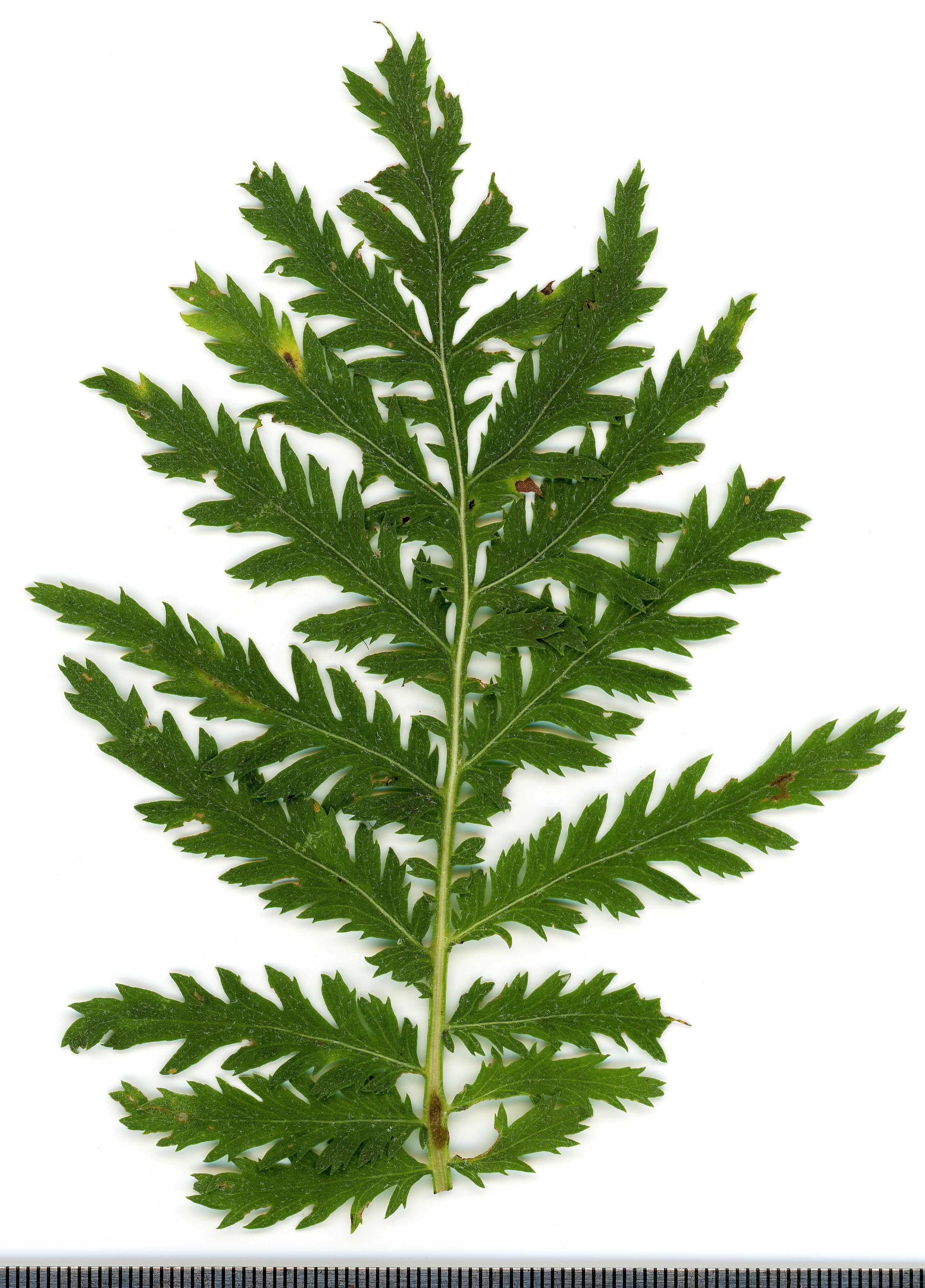
Image: Dmitry Makeev (CC BY-SA 4.0)
NameTansy
Scientific NameTanacetum vulgare
Common NamesTansy, Common Tansy, Garden Tansy, Golden Buttons
Plant FamilyAsteraceae
Natural HabitatNative to temperate Europe and Asia, Tansy thrives in disturbed soils, roadsides, fields, and waste areas. It prefers full sun to partial shade and well-drained soil, often found in meadows and along riverbanks.
Parts Usedleaf,flower,whole_plant
Medicinal Actionsantimicrobial, anti-inflammatory
Traditional UsesTraditionally, Tansy has been used as a vermifuge to expel intestinal worms, an insect repellent, and an emmenagogue to stimulate menstruation. It was also applied externally as a poultice for bruises, sprains, and skin irritations, though its internal use is now largely discouraged due to toxicity.
Active ConstituentsThujone, Camphor, Borneol, Parthenolide, Flavonoids
Preparation Methodsinfusion, decoction, poultice, essential oil, powder
Contraindications & WarningsTansy is highly toxic and should not be taken internally, especially by pregnant or breastfeeding women, children, or individuals with liver or kidney conditions. Its thujone content can cause convulsions, liver damage, and abortion. External use can cause skin irritation or allergic reactions in sensitive individuals.
Cultivation NotesTansy is an aggressive grower and can become invasive. It is easily cultivated from seed or division in full sun to partial shade and well-drained soil. It is drought-tolerant once established and requires minimal care.
Raritycommon
Description
Tansy is a perennial herbaceous plant characterized by its deeply divided, fern-like leaves, as seen in the image, and clusters of button-like, yellow flowers. The leaves are pinnately compound, with serrated margins, and emit a strong, camphoraceous aroma when crushed.