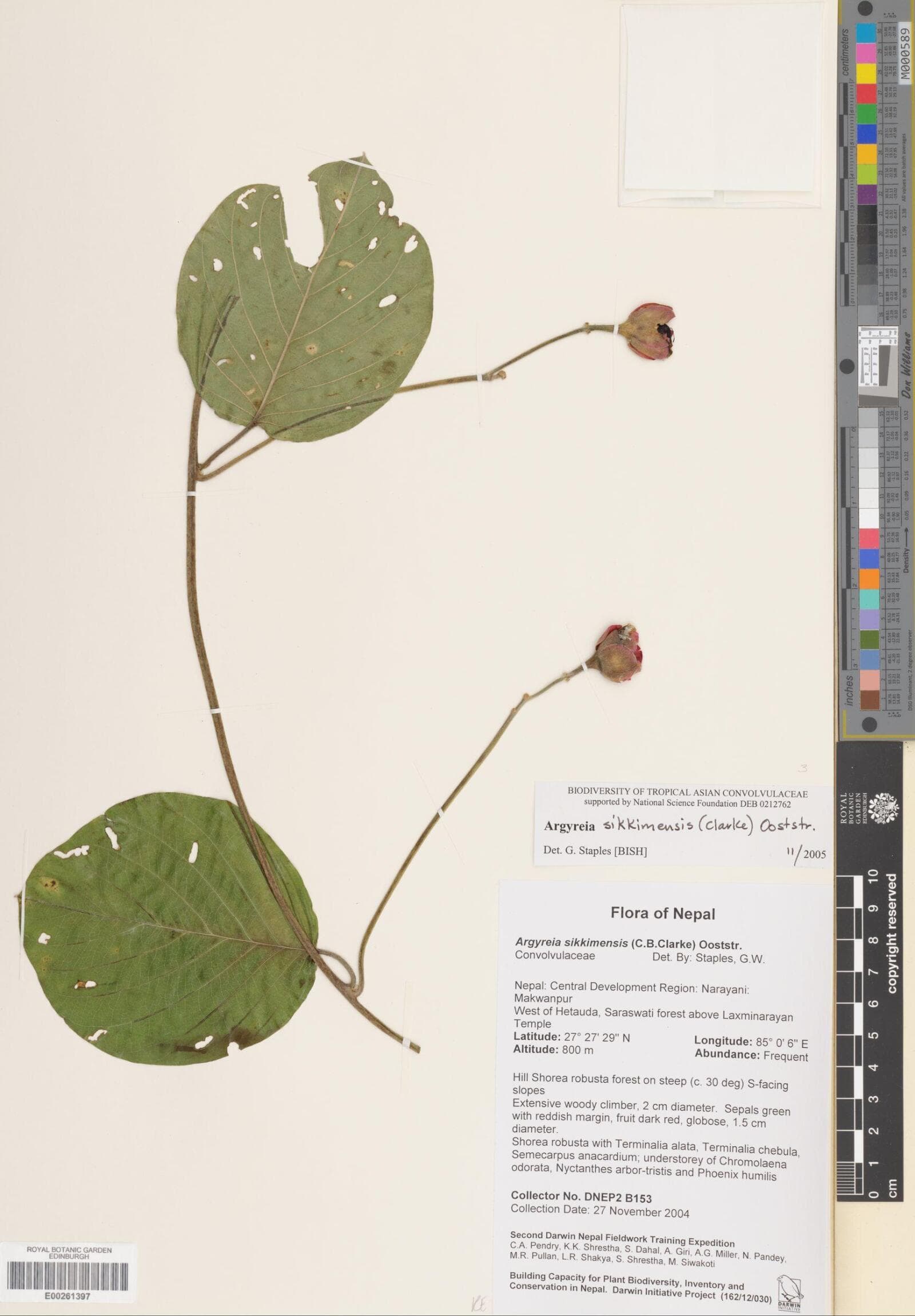
Argyreia sikkimensis
Image: Royal Botanic Garden Edinburgh (cc0)
NameArgyreia sikkimensis
Scientific NameArgyreia sikkimensis (C.B.Clarke) Ooststr.
Plant FamilyConvolvulaceae
Natural HabitatThis plant thrives in hill Shorea robusta forests, specifically on steep (approximately 30-degree) south-facing slopes. It is found at an altitude of 800 meters in the Narayani region of Makwanpur, Nepal, west of Hetauda in the Saraswati forest above Laxminarayan Temple.
Parts Usedleaf,root,seed
Medicinal Actionsanti-inflammatory, analgesic, antioxidant
Traditional UsesWhile specific traditional uses for *Argyreia sikkimensis* are not widely documented, other species within the *Argyreia* genus are traditionally used in various systems of medicine for their anti-inflammatory, analgesic, and antioxidant properties, often to alleviate pain and swelling.
Active Constituentsergoline_alkaloids, flavonoids, triterpenes
Preparation Methodsinfusion, decoction, powder, tincture
Contraindications & WarningsDue to the presence of ergoline alkaloids in the *Argyreia* genus, caution is advised. Potential contraindications may include pregnancy, lactation, and interactions with central nervous system depressants or stimulants. Consultation with a healthcare professional is recommended.
Cultivation NotesAs a woody climber found in specific forest environments, *Argyreia sikkimensis* would likely prefer warm, humid conditions with well-drained soil. It requires support for climbing and thrives in partial shade, mimicking its natural understory habitat in Shorea robusta forests.
Raritycommon
Description
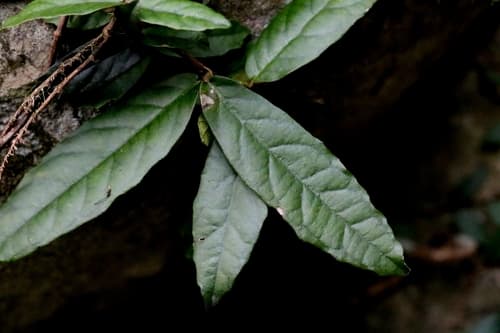
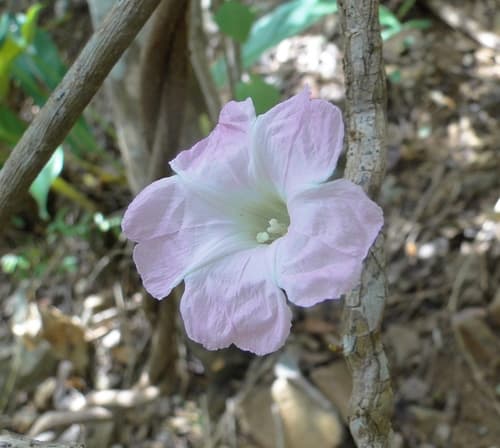
Argyreia sikkimensis is an extensive woody climber, typically with stems up to 2 cm in diameter. Its sepals are green with a reddish margin, enclosing a dark red, globose fruit that measures about 1.5 cm in diameter.