Argyreia lanceolata
NameArgyreia lanceolata
Scientific NameArgyreia lanceolata
Common NamesLance-leaf Argyreia
Plant FamilyConvolvulaceae
Natural HabitatNative to tropical and subtropical regions, Argyreia lanceolata thrives in warm, humid climates. It is commonly found in disturbed areas, forest edges, clearings, and along roadsides, preferring well-drained soils.
Parts Usedleaf,root,seed
Medicinal Actionsanalgesic, anti-inflammatory, nervine, sedative
Traditional UsesTraditionally, various parts of Argyreia species, including potentially A. lanceolata, have been used in folk medicine. Leaves and roots are often employed for their anti-inflammatory and analgesic properties, particularly in topical applications for wounds, swellings, and skin conditions. The seeds of some Argyreia species are known for containing psychoactive compounds and have been used ritually or for their sedative effects.
Active ConstituentsErgoline alkaloids, Lysergic Acid Amide (LSA), flavonoids, phenolic compounds
Preparation Methodsinfusion, decoction, powder, poultice
Contraindications & WarningsDue to the potential presence of ergoline alkaloids, especially in the seeds, Argyreia lanceolata should be avoided by pregnant or breastfeeding women, individuals with liver or kidney conditions, heart conditions, or psychiatric disorders. It may interact with CNS depressants or stimulants, and professional medical advice is recommended before use.
Cultivation NotesThis plant prefers full sun to partial shade and requires well-drained soil. As a vigorous climber, it needs a sturdy support structure. It can be propagated from seeds or stem cuttings and thrives in rich, moist soil, though it is tolerant of various soil types.
Raritycommon
Description
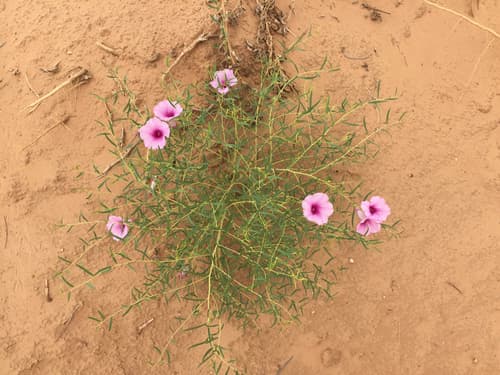
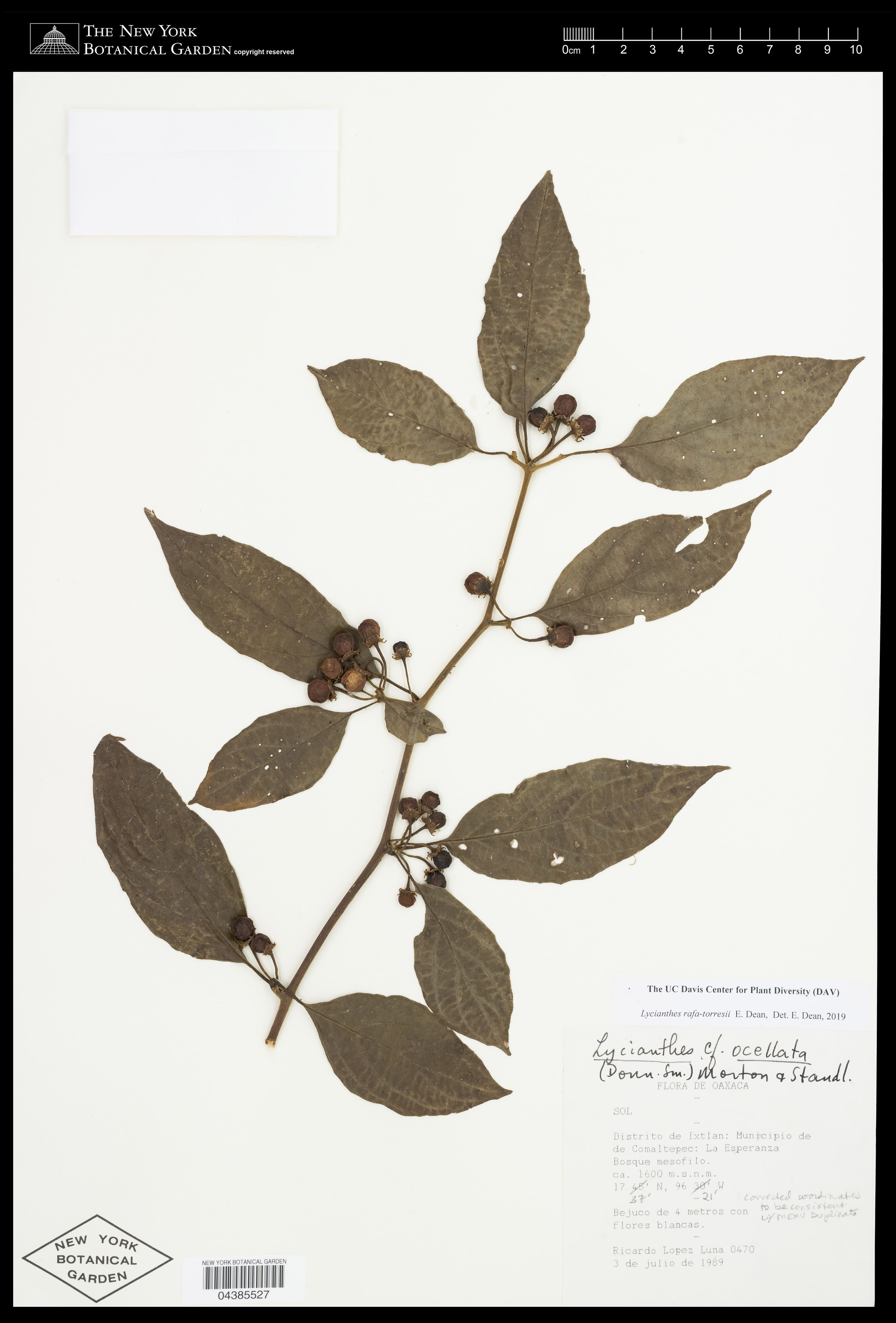
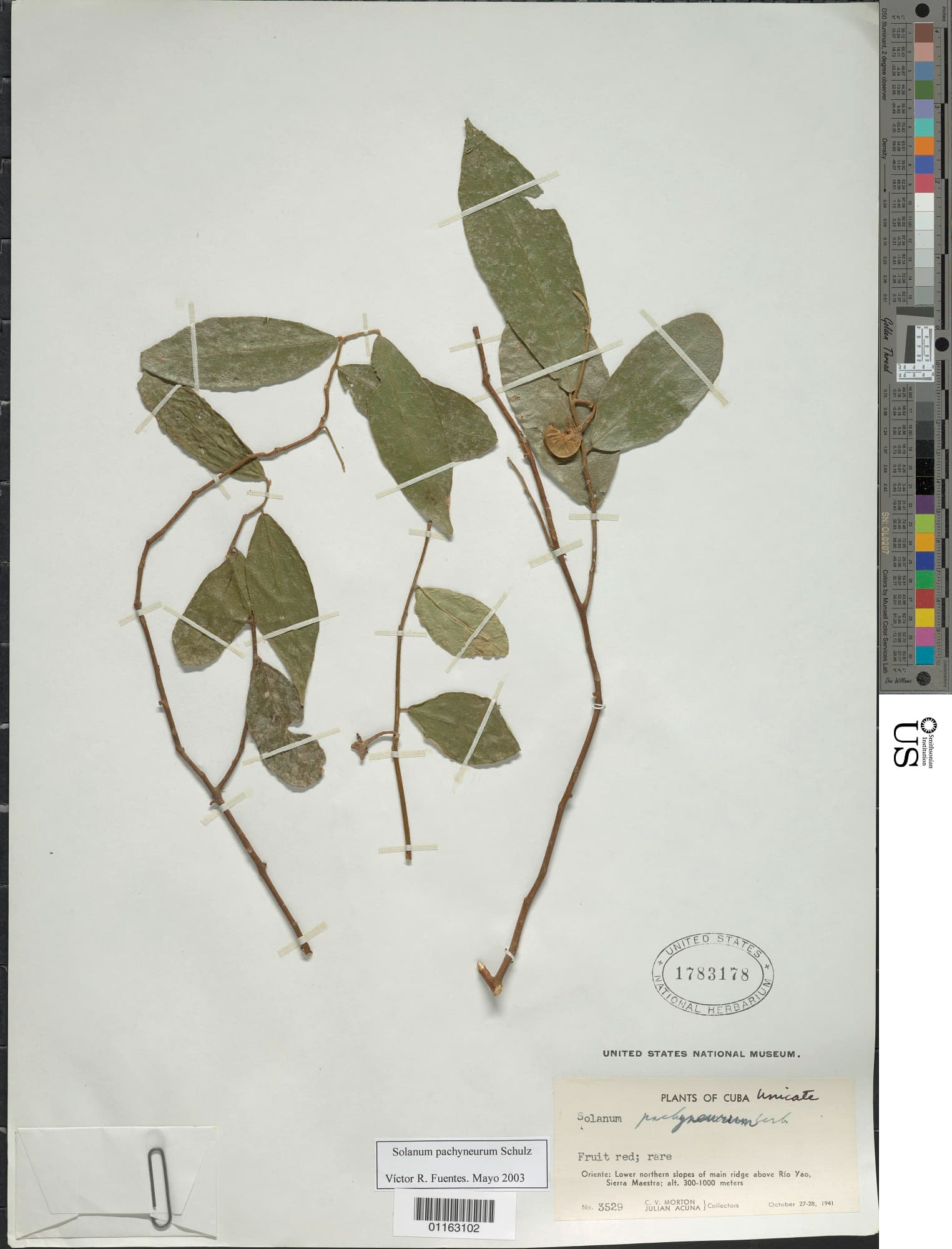
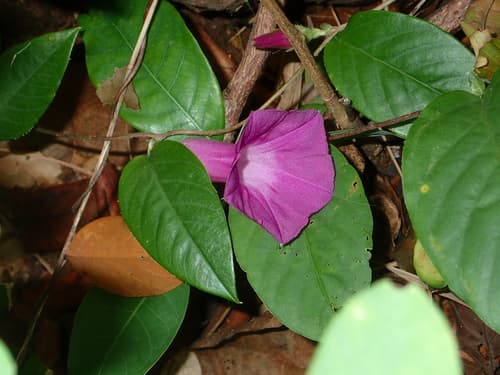
Argyreia lanceolata is a perennial climbing vine characterized by its ovate to lanceolate green leaves, which often have a lighter underside. It produces striking trumpet-shaped flowers, typically vibrant purple or pinkish-purple, consistent with the morning glory family. This vigorous creeper often scrambles over other vegetation in its native habitat.