Apple-of-Peru
NameApple-of-Peru
Scientific NameNicandra physalodes
Common NamesApple-of-Peru, Shoofly Plant, Peruvian Groundcherry, Chinese Lantern
Plant FamilySolanaceae
Natural HabitatNative to Peru, this plant is now widely naturalized across tropical and subtropical regions globally. It commonly thrives in disturbed areas, roadsides, cultivated fields, and waste ground, often considered a weed.
Parts Usedleaf,whole_plant
Medicinal Actionsanti-inflammatory, antimicrobial, antioxidant, diuretic
Traditional UsesTraditionally, the leaves of Apple-of-Peru have been used in some folk medicine for their anti-inflammatory properties, particularly for topical application on skin conditions, swellings, and joint pain. Infusions or decoctions have been used internally as a diuretic and for treating fevers, though internal use requires caution due to its family's toxicity.
Active ConstituentsWithanolides, nicandrenones, alkaloids, flavonoids
Preparation Methodsinfusion, poultice, decoction
Contraindications & WarningsAs a member of the Solanaceae family, Nicandra physalodes contains alkaloids that can be toxic if ingested in large quantities. Internal use should be approached with extreme caution and professional guidance. Pregnant and breastfeeding women, and individuals with allergies to other Solanaceae plants, should avoid its use.
Cultivation NotesApple-of-Peru is easily cultivated from seed and prefers full sun to partial shade in well-drained soil. It is a vigorous grower and can readily self-seed, often becoming weedy in favorable conditions. It tolerates a range of soil types.
Raritycommon
Description
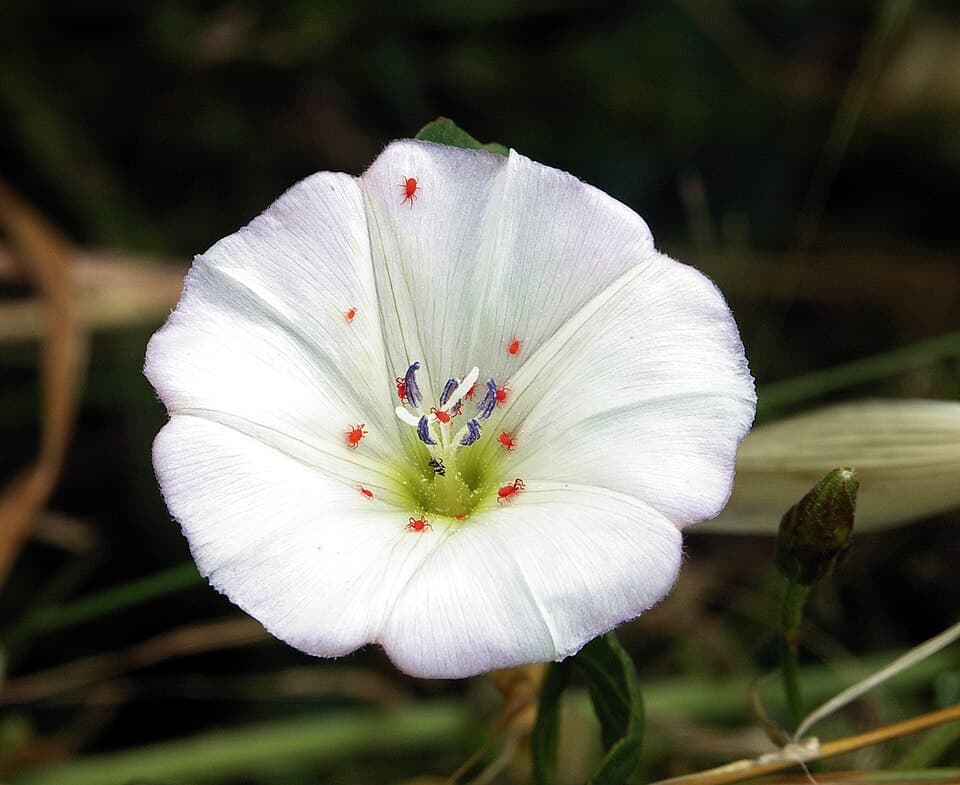
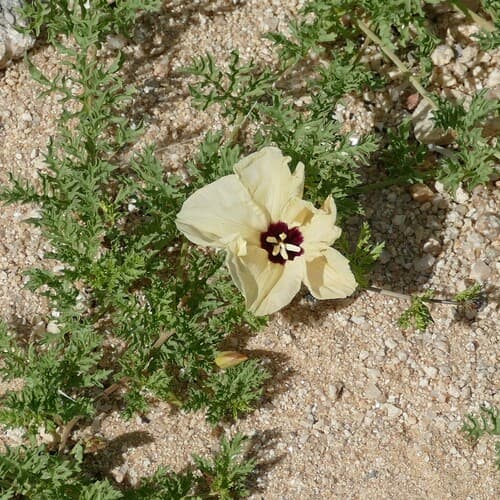
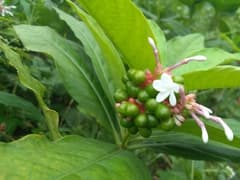
Nicandra physalodes is an annual herbaceous plant characterized by its pale blue to lavender, bell-shaped flowers with a white throat, and ovate, deeply lobed or toothed leaves. After flowering, the calyx inflates to form a papery, lantern-like structure enclosing the berry-like fruit.