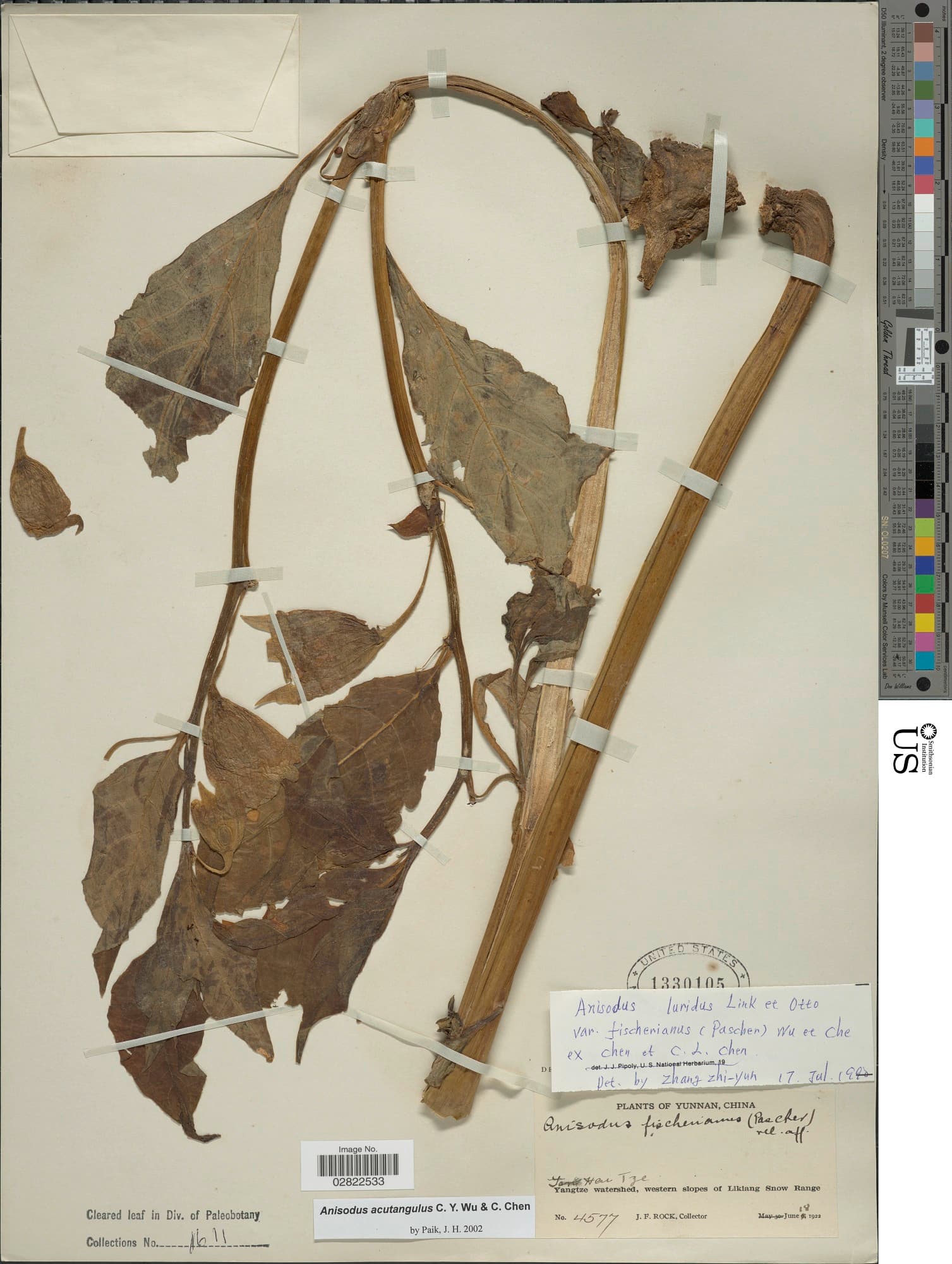
Anisodus
Image: Conveyor Belt (cc0)
NameAnisodus
Scientific NameAnisodus acutangulus
Common NamesAnisodus, Tang-gong-teng
Plant FamilySolanaceae
Natural HabitatNative to mountainous regions of Yunnan, China, specifically found in the Yangtze watershed on the western slopes of the Likiang Snow Range. It thrives in high-altitude, often rocky or sandy environments.
Parts Usedroot,leaf,whole_plant
Medicinal Actionsanalgesic, sedative
Traditional UsesTraditionally used in Chinese medicine for its potent analgesic and sedative properties. It is employed to relieve various types of pain, including stomach pain, toothache, and rheumatic pain, as well as to treat spasms and asthma. Due to its high toxicity, it is used with extreme caution and precise dosing.
Active Constituentshyoscyamine, scopolamine, atropine
Preparation Methodsdecoction, tincture, powder, poultice
Contraindications & WarningsContraindicated in individuals with glaucoma, prostatic hypertrophy, tachycardia, heart disease, and during pregnancy or breastfeeding. Extreme caution is advised due to its high toxicity; overdose can be fatal and professional medical supervision is essential.
Cultivation NotesPrefers well-drained, possibly rocky or sandy soil, and a cool, temperate climate typical of high-altitude mountainous regions. Requires full sun to partial shade.
Rarityuncommon
Description
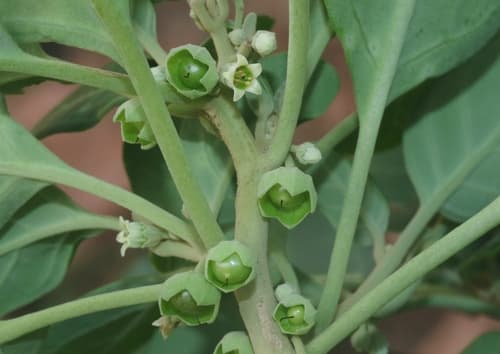
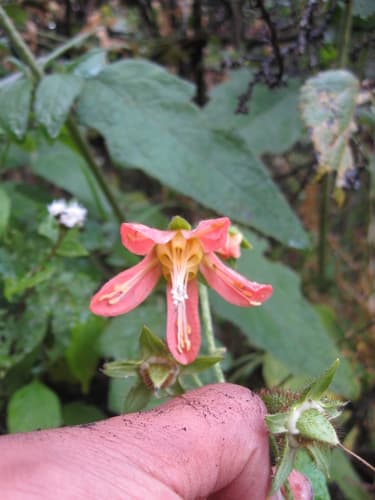
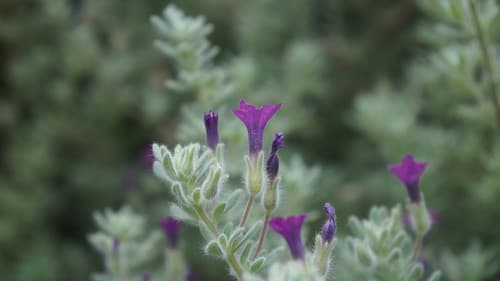
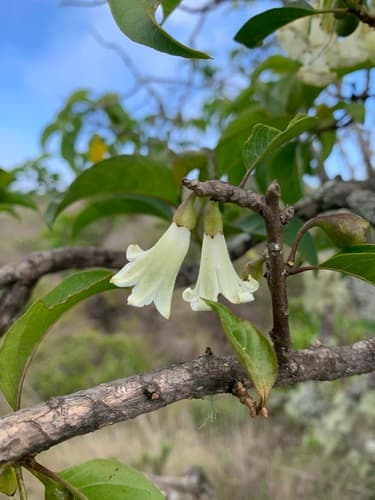
Anisodus acutangulus is a perennial herbaceous plant characterized by large, ovate leaves and robust stems. It produces bell-shaped flowers and is known for its substantial rootstock, which contains potent medicinal compounds.