American Brunfelsia
NameAmerican Brunfelsia
Scientific NameBrunfelsia boliviana
Common NamesAmerican Brunfelsia, Bolivian Brunfelsia, Manaca
Plant FamilySolanaceae
Natural HabitatNative to the tropical and subtropical forests of Bolivia and neighboring South American countries, thriving in humid, warm environments, often found in the understory or forest edges.
Parts Usedroot,bark,leaf
Medicinal Actionsanalgesic, anti-inflammatory, sedative
Traditional UsesTraditionally, Brunfelsia boliviana (and related Brunfelsia species) has been used by indigenous communities in South America as a purgative, emetic, and diaphoretic. It is also employed for treating fevers, rheumatism, syphilis, and as a topical application for snakebites and joint pain. Some species are used in shamanic rituals for their psychoactive properties.
Active ConstituentsBrunfelsamidine, Brunfelsine, Manacine, Scopoletin, Aesculetin
Preparation Methodsdecoction, tincture, poultice
Contraindications & WarningsAll parts of Brunfelsia boliviana are considered toxic due to potent alkaloids. Contraindicated in pregnancy, lactation, children, and individuals with liver, kidney, or cardiovascular conditions. Can cause nausea, vomiting, diarrhea, tremors, and central nervous system depression or excitation. Should only be used under expert supervision due to high toxicity.
Cultivation NotesPrefers warm, humid conditions with partial shade and well-drained, rich soil. Can be grown in containers in cooler climates, brought indoors during winter. Requires consistent moisture but not waterlogging.
Rarityuncommon
Description
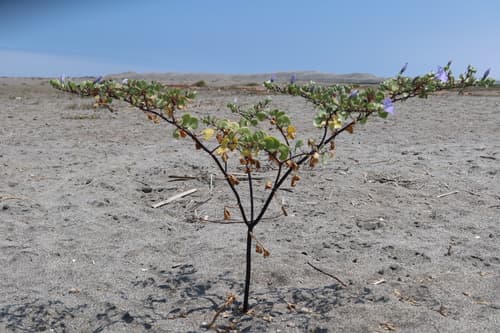
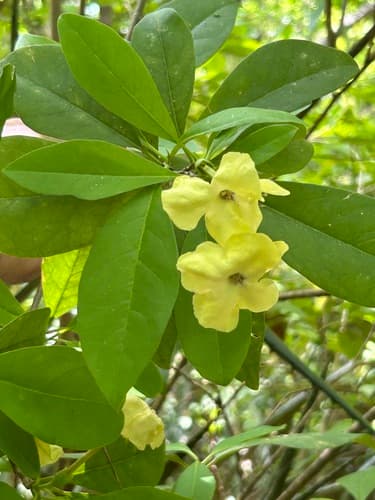
Brunfelsia boliviana is a tropical shrub or small tree characterized by its glossy, dark green, simple leaves. It produces showy, tubular flowers that typically emerge yellow and may fade to a lighter shade, often fragrant.