Amalaki (Amla)
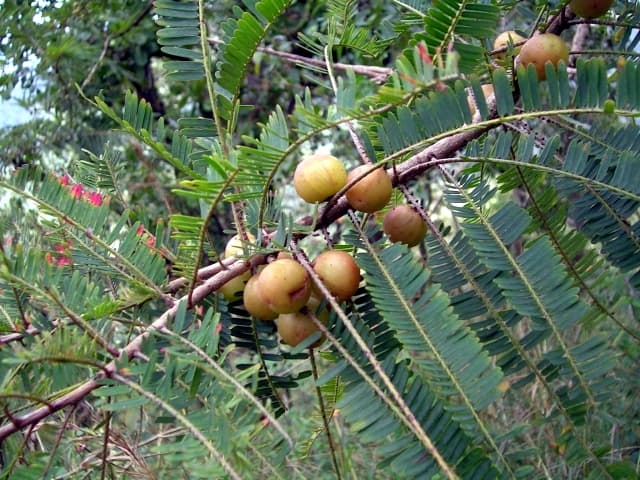
Image: L. Shyamal (CC BY 2.5)
NameAmalaki (Amla)
Scientific NamePhyllanthus emblica
Common NamesAmla, Indian Gooseberry, Amalaki
Plant FamilyPhyllanthaceae
Natural HabitatNative to tropical and subtropical regions of India, Southeast Asia, and parts of the Middle East. It thrives in various soil types but prefers well-drained, fertile loamy soils in warm climates.
Parts Usedfruit,leaf,bark,seed,root
Medicinal Actionsadaptogen, anti-inflammatory, antimicrobial, antioxidant, astringent, carminative, diuretic
Traditional UsesAmalaki is a cornerstone of Ayurvedic medicine, revered for its rejuvenating properties. Traditionally used to support immune function, improve digestion, enhance hair and skin health, and as a general tonic for vitality. It is also used for respiratory issues, urinary disorders, and to balance all three doshas.
Active ConstituentsVitamin C, tannins, polyphenols, flavonoids, gallic acid, ellagic acid
Preparation Methodsinfusion, decoction, tincture, powder, salve
Contraindications & WarningsMay interact with blood-thinning medications due to its antiplatelet activity. Individuals with diabetes should monitor blood sugar levels as Amla may lower them. Pregnant or breastfeeding women should consult a healthcare professional before use.
Cultivation NotesGrows best in tropical and subtropical climates with full sun exposure. Requires well-drained, fertile soil and moderate watering, especially during dry periods. Can be propagated from seeds or cuttings.
Raritycommon
Description
Amalaki is a medium-sized deciduous tree bearing small, round, greenish-yellow fruits. Its leaves are simple, subsessile, and closely set along the branchlets, giving a feathery appearance. The fruits are fleshy and fibrous, containing a hard seed.