Alangium uniloculare
NameAlangium uniloculare
Scientific NameAlangium uniloculare
Common NamesAlangium, White Alangium
Plant FamilyCornaceae
Natural HabitatNative to tropical and subtropical moist broadleaf forests of Southeast Asia, typically found in lowland and hill forests.
Parts Usedbark,root,leaf,fruit
Medicinal Actionsanti-inflammatory, analgesic, antimicrobial, antioxidant, sedative
Traditional UsesTraditionally, various parts of Alangium uniloculare and related species have been used in folk medicine to treat fevers, skin diseases, rheumatism, and as an antidote for snake bites. It is also employed for its emetic and purgative properties, and sometimes for pain relief.
Active ConstituentsAlkaloids, Tannins, Flavonoids, Triterpenes
Preparation Methodsdecoction, poultice, powder
Contraindications & WarningsDue to the presence of potent alkaloids, caution is advised. It should be avoided by pregnant or breastfeeding women, young children, and individuals with gastrointestinal issues or heart conditions. May cause vomiting if taken in large doses.
Cultivation NotesThis tropical tree thrives in moist, well-drained soil and prefers partial shade to full sun. It requires a warm, humid climate typical of its native Southeast Asian rainforest habitat.
Rarityuncommon
Description
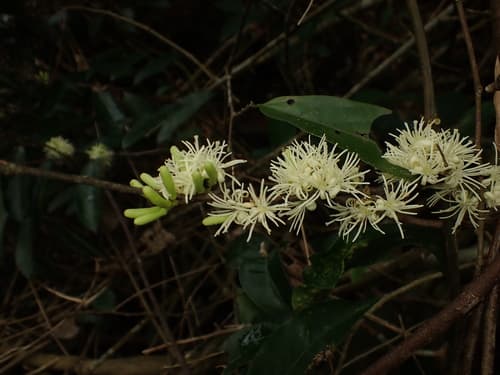
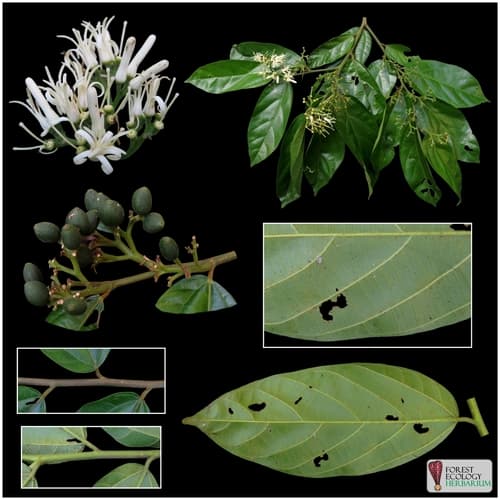
Alangium uniloculare is a medium-sized tree characterized by its alternate, simple, ovate to elliptic leaves with prominent venation. It produces clusters of fragrant white flowers with long, slender petals, followed by ovoid to ellipsoid green fruits.