Alangium indochinense
NameAlangium indochinense
Scientific NameAlangium indochinense
Common NamesIndochinese Alangium
Plant FamilyCornaceae
Natural HabitatFound in tropical and subtropical forests, often in lowland areas, along riverbanks, or in disturbed secondary growth throughout Indochina and parts of Southeast Asia.
Parts Usedbark,root,leaf
Medicinal Actionsanti-inflammatory, antimicrobial, antioxidant, analgesic
Traditional UsesTraditionally used in folk medicine for treating fevers, various skin conditions, rheumatism, and as an antidote for snake bites. The bark and roots are often prepared as decoctions, while leaves may be used in poultices.
Active ConstituentsAlkaloids (e.g., alangine, marckine), Triterpenoids, Flavonoids
Preparation Methodsdecoction, infusion, poultice, powder
Contraindications & WarningsDue to potent alkaloid content, use with caution. Contraindicated in pregnancy, lactation, and for young children. High doses can be toxic; consult a healthcare professional before use, especially if on other medications.
Cultivation NotesThrives in tropical to subtropical climates with well-drained soil. Can grow in full sun to partial shade. Propagated by seeds or stem cuttings.
Rarityuncommon
Description
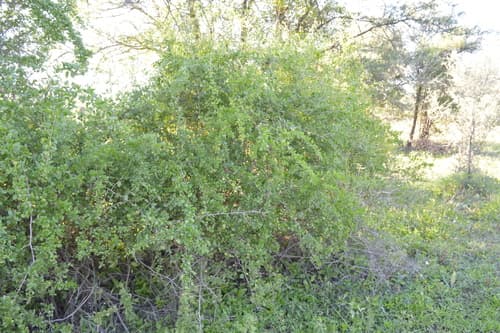
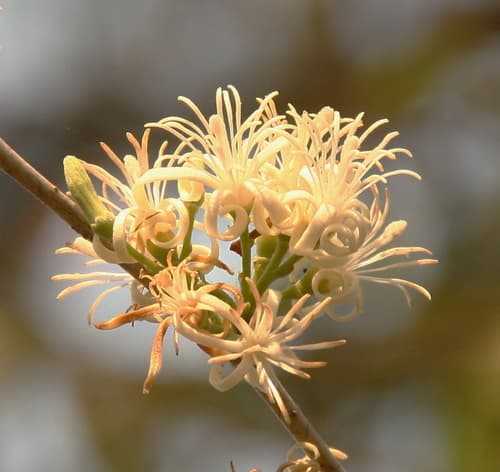
A small to medium-sized tree or shrub native to Southeast Asia, characterized by its distinctive clusters of creamy-white to yellowish flowers. These flowers feature long, narrow, and often recurved petals, giving them a spidery appearance.