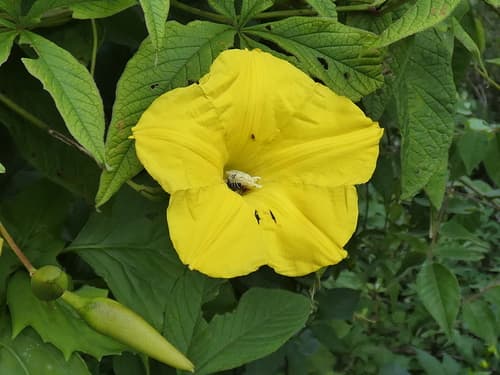
African eggplant
NameAfrican eggplant
Scientific NameSolanum aethiopicum
Common NamesAfrican eggplant, Garden egg, Scarlet eggplant, Ethiopian eggplant
Plant FamilySolanaceae
Natural HabitatNative to tropical and subtropical Africa, it thrives in warm climates and is widely cultivated in home gardens and farms across the continent for its edible fruits and leaves.
Parts Usedfruit,leaf
Medicinal Actionsanti-inflammatory, antioxidant, antimicrobial, diuretic
Traditional UsesTraditionally used in African folk medicine for various ailments, including treating digestive issues, reducing inflammation, and managing hypertension. The leaves are sometimes used to treat fever, coughs, and as a blood tonic, while the fruits are consumed for their nutritional and medicinal benefits.
Active ConstituentsAlkaloids, Saponins, Flavonoids, Phenolic compounds, Glycoalkaloids
Preparation Methodsinfusion, decoction, powder
Contraindications & WarningsGenerally considered safe when consumed as food. However, like other Solanaceae plants, it contains glycoalkaloids, which in very high doses could be toxic. Individuals with known allergies to other nightshade plants should exercise caution.
Cultivation NotesPrefers warm, sunny conditions and well-drained, fertile soil. It requires consistent moisture and can be grown from seeds, typically harvested within 2-3 months after planting. It is relatively easy to grow in tropical and subtropical regions.
Raritycommon
Description
A herbaceous perennial plant, often cultivated as an annual, characterized by large, lobed leaves and round to oval fruits that vary in color from green to white, yellow, or red when mature. The plant typically grows to about 1-1.5 meters tall, bearing small purple or white flowers.