Turkmen Mandrake
NameTurkmen Mandrake
Scientific NameMandragora turcomanica
Common NamesTurkmen Mandrake, Turkoman Mandrake
Plant FamilySolanaceae
Natural HabitatNative to Central Asia, particularly Turkmenistan and parts of Iran, growing in arid or semi-arid regions, often in stony or sandy soils, and sometimes in open woodlands or scrubland.
Parts Usedroot,fruit,leaf
Medicinal Actionsanalgesic, sedative, nervine
Traditional UsesHistorically, the root of Mandragora species, including M. turcomanica, was used as a powerful narcotic, sedative, and analgesic. It was employed in ancient surgery as an anesthetic, for pain relief, to induce sleep, and in various magical and ritualistic practices due to its hallucinogenic properties. It was also traditionally used for treating insomnia, convulsions, and melancholy, always with extreme caution due to its high toxicity.
Active Constituentsscopolamine, hyoscyamine, atropine, tropane alkaloids
Preparation Methodsdecoction, tincture, poultice
Contraindications & WarningsEXTREMELY TOXIC. All parts of the plant are poisonous, especially the root. Ingestion can cause severe anticholinergic poisoning, leading to hallucinations, delirium, tachycardia, respiratory depression, coma, and death. Absolutely contraindicated in pregnancy, lactation, children, and individuals with heart conditions, glaucoma, or prostate enlargement. Interacts dangerously with other anticholinergic drugs, sedatives, and alcohol. Not for self-medication or internal use.
Cultivation NotesPrefers well-drained, sandy or stony soil in full sun to partial shade. Requires an arid or semi-arid climate with dry summers. Can be difficult to cultivate from seed, often requiring stratification. Develops a deep taproot.
Rarityrare
Description
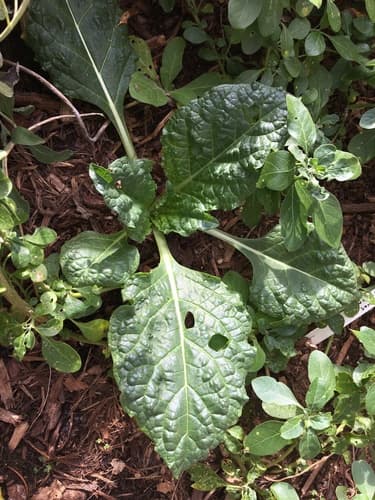
Mandragora turcomanica is a perennial herbaceous plant forming a basal rosette of large, dark green, often bullate leaves. It produces bell-shaped flowers, typically purplish or greenish-white, followed by yellow or orange berries.