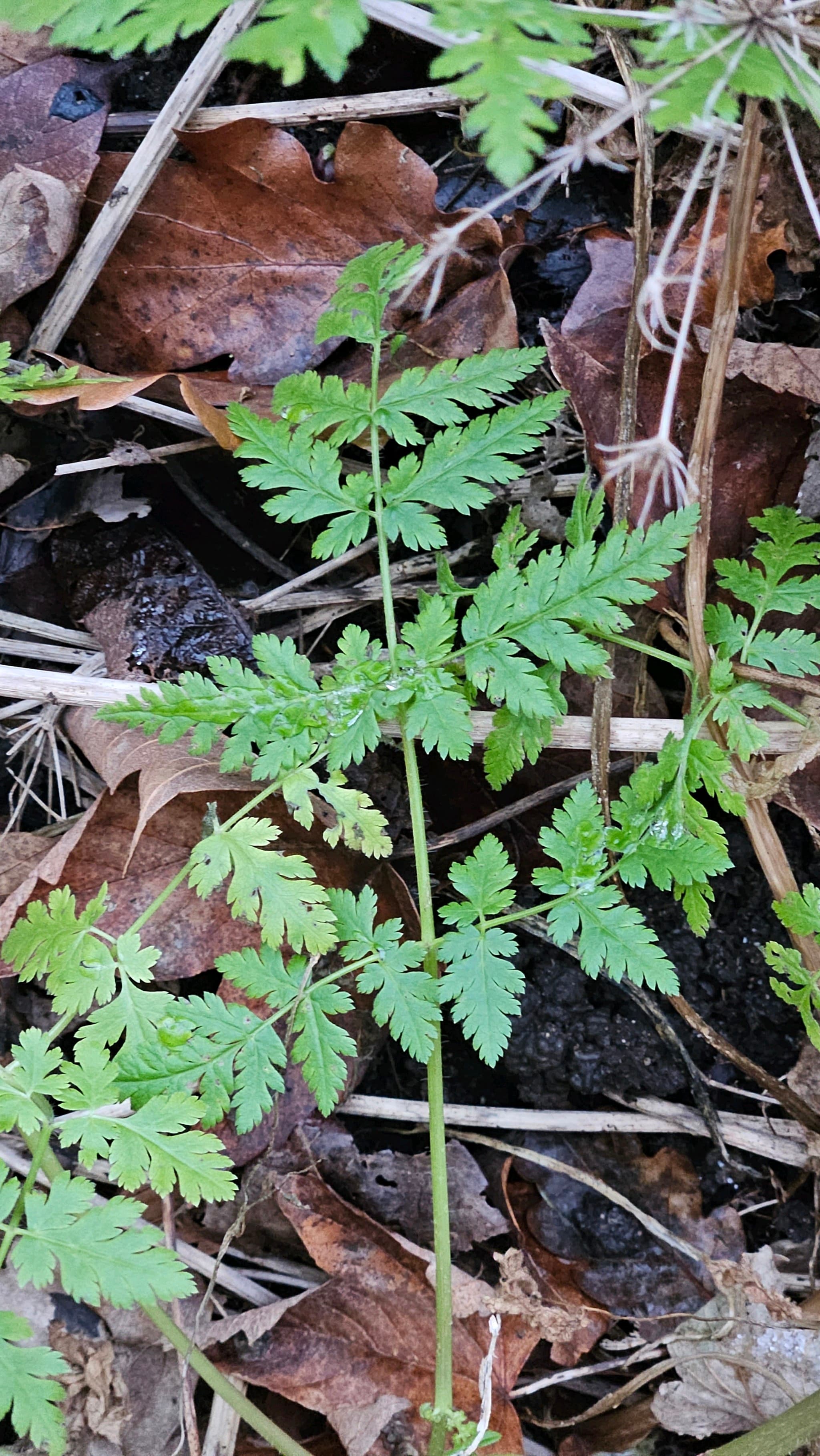
Sweet Cicely
Image: Jens Søgaard Hansen (cc-by)
NameSweet Cicely
Scientific NameMyrrhis odorata
Common NamesSweet Cicely, Garden Myrrh, Sweet Myrrh, Anise Fern
Plant FamilyApiaceae
Natural HabitatNative to Europe, Sweet Cicely thrives in damp, shady locations such as woodlands, hedgerows, and along stream banks. It prefers rich, moist, well-drained soil.
Parts Usedleaf,flower,root,seed
Medicinal Actionscarminative, expectorant
Traditional UsesTraditionally, Sweet Cicely has been used as a digestive aid, helping to relieve indigestion and flatulence due to its carminative properties. It was also employed as an expectorant to soothe coughs and respiratory complaints. Historically, it was used to sweeten tart fruits and mask the taste of less palatable medicines.
Active ConstituentsAnethole, Flavonoids, Coumarins
Preparation Methodsinfusion, tincture, powder
Contraindications & WarningsSweet Cicely is generally considered safe for culinary and medicinal use in moderate amounts. However, due to the presence of coumarins, individuals on anticoagulant medication should exercise caution. Pregnant and breastfeeding women should consult a healthcare professional before extensive use.
Cultivation NotesSweet Cicely is easy to grow in partial shade with moist, fertile, well-drained soil. It readily self-seeds and can become established in suitable conditions. Propagation is typically by seed or division of roots in spring or autumn.
Raritycommon
Description
Sweet Cicely is a herbaceous perennial plant characterized by its fern-like, deeply cut, bright green leaves that are often hairy underneath. It produces small white flowers in umbels, followed by long, ribbed seeds. The entire plant has a distinct anise or licorice scent.