Spikenard
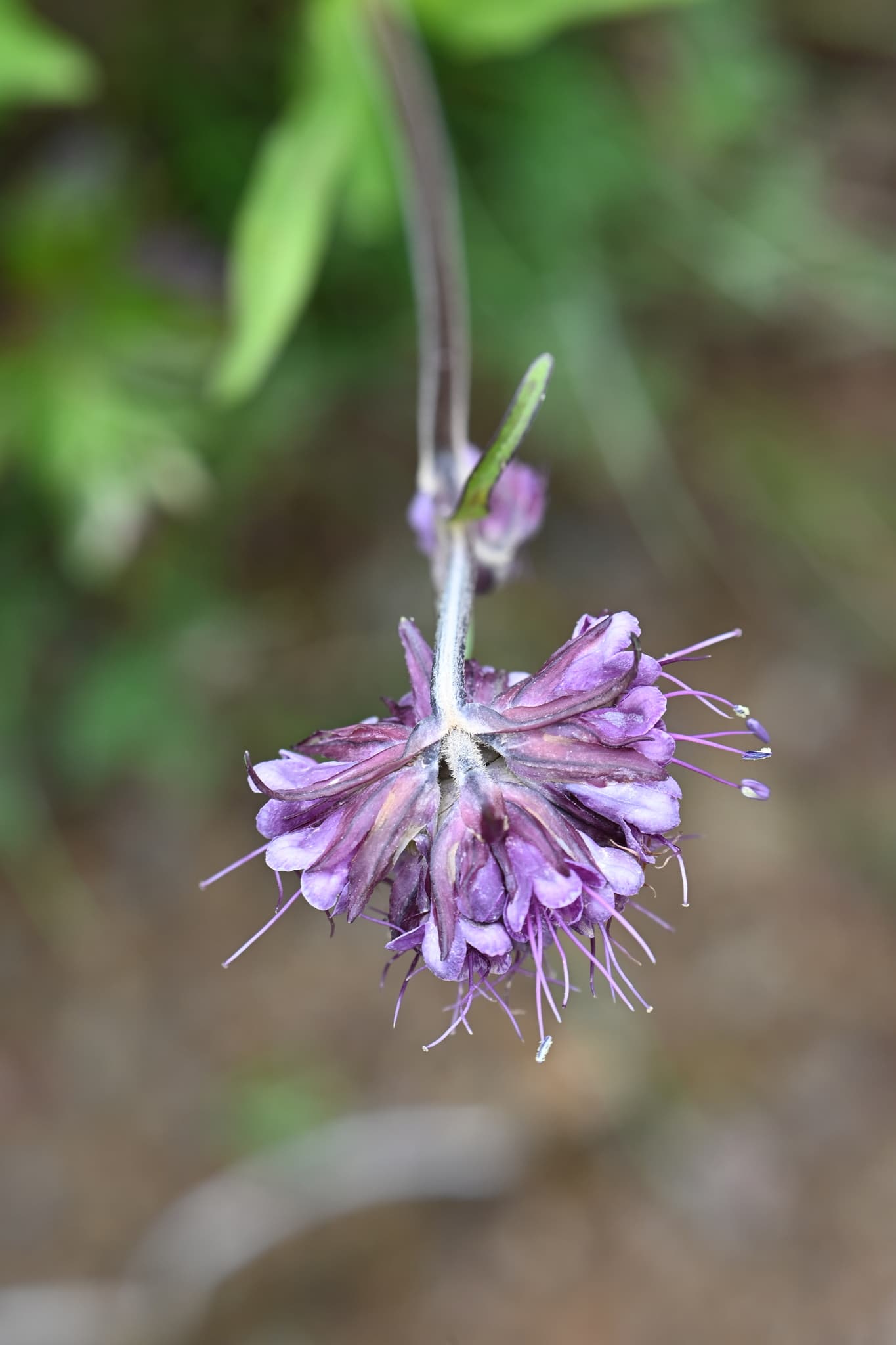
Image: 桃子 (cc-by-nc)
NameSpikenard
Scientific NameNardostachys jatamansi
Common NamesSpikenard, Jatamansi, Indian Spikenard, Muskroot, Nard
Plant FamilyCaprifoliaceae
Natural HabitatNative to the Himalayas, growing at high altitudes (3,000-5,000 meters) in rocky, grassy slopes and alpine meadows of Nepal, India, Bhutan, and China.
Parts Usedroot,whole_plant
Medicinal Actionsadaptogen, nervine, sedative, anti-inflammatory, antioxidant, antimicrobial
Traditional UsesTraditionally used in Ayurvedic and Unani medicine for its calming and neuroprotective properties. It is employed to treat insomnia, anxiety, epilepsy, depression, and stress-related disorders. It's also used for digestive issues, skin conditions, and as a hair tonic.
Active ConstituentsJatamansone, nardosinone, valeranone, jatamansic acid, patchouli alcohol, lignans
Preparation Methodsinfusion, decoction, tincture, essential oil, powder
Contraindications & WarningsGenerally considered safe in moderate doses, but high doses may cause nausea or vomiting. Avoid during pregnancy and lactation due to insufficient safety data. May interact with sedative medications.
Cultivation NotesPrefers cool, high-altitude conditions with well-drained, rocky soil. Propagation is typically from seeds or rhizome division. It is a slow-growing plant and challenging to cultivate outside its natural habitat.
Rarityuncommon
Description
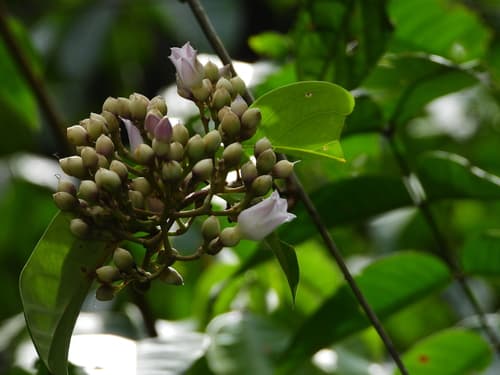
Nardostachys jatamansi is a perennial herb characterized by its stout, woody rhizome and small, purplish-pink, bell-shaped flowers arranged in dense cymes. The plant typically grows to about 10-60 cm tall, featuring basal leaves and smaller stem leaves. The image shows the distinctive purple flowers with prominent stamens.