Solanum vanuatuense
NameSolanum vanuatuense
Scientific NameSolanum vanuatuense
Plant FamilySolanaceae
Natural HabitatEndemic to Vanuatu, this species thrives in disturbed areas, forest margins, and secondary growth, often found at higher elevations within its native range.
Parts Usedleaf,fruit
Medicinal Actionsanti-inflammatory, antimicrobial
Traditional UsesSpecific traditional medicinal uses for Solanum vanuatuense are not widely documented. However, other species within the Solanum genus are traditionally used for their anti-inflammatory and antimicrobial properties, often applied externally for skin conditions or pain relief, with careful preparation due to potential toxicity.
Active Constituentssteroidal glycoalkaloids, solanine, solamargine
Preparation Methodspoultice, decoction, powder
Contraindications & WarningsDue to the presence of steroidal glycoalkaloids, all parts of the plant, especially unripe fruits and leaves, are potentially toxic. Ingestion can cause gastrointestinal upset, neurological symptoms, and should be avoided by pregnant or lactating individuals, and those with liver or kidney conditions.
Cultivation NotesPrefers warm, humid tropical climates with well-drained soil. It can tolerate full sun to partial shade and is often found in disturbed or secondary growth areas, suggesting adaptability to various soil conditions.
Rarityuncommon
Description
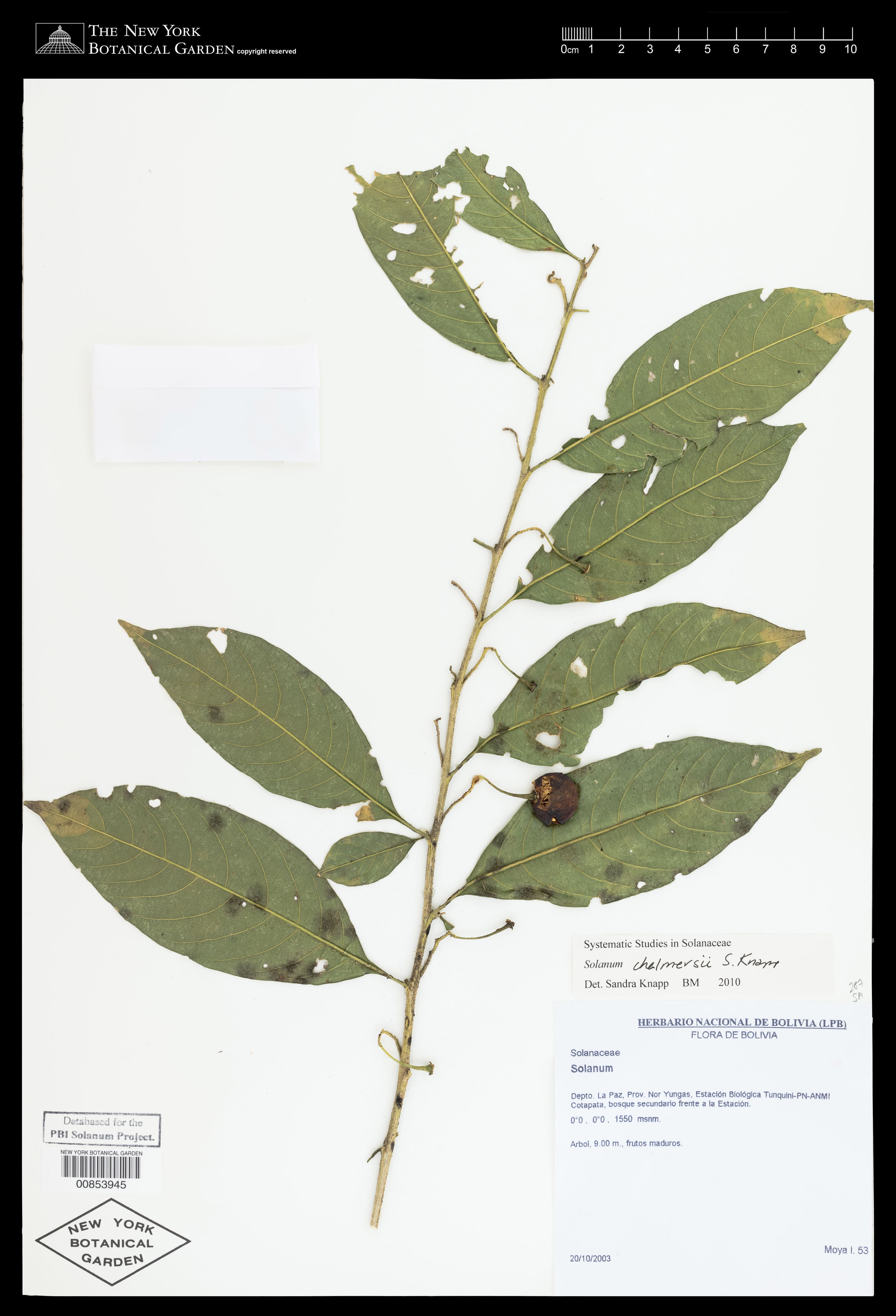
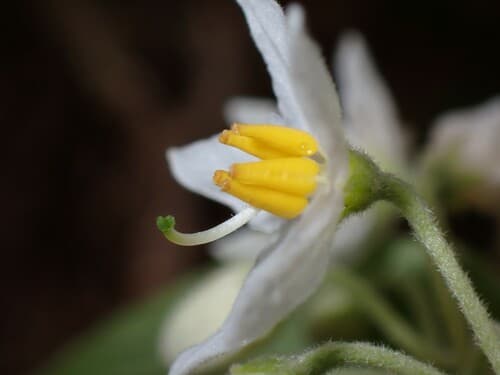
Solanum vanuatuense is a shrub or small tree, typically growing up to 3 meters tall, characterized by its white flowers with prominent yellow anthers and a curved green pistil. Its stems and leaves are covered in stellate hairs, and it produces red fruits upon maturity.